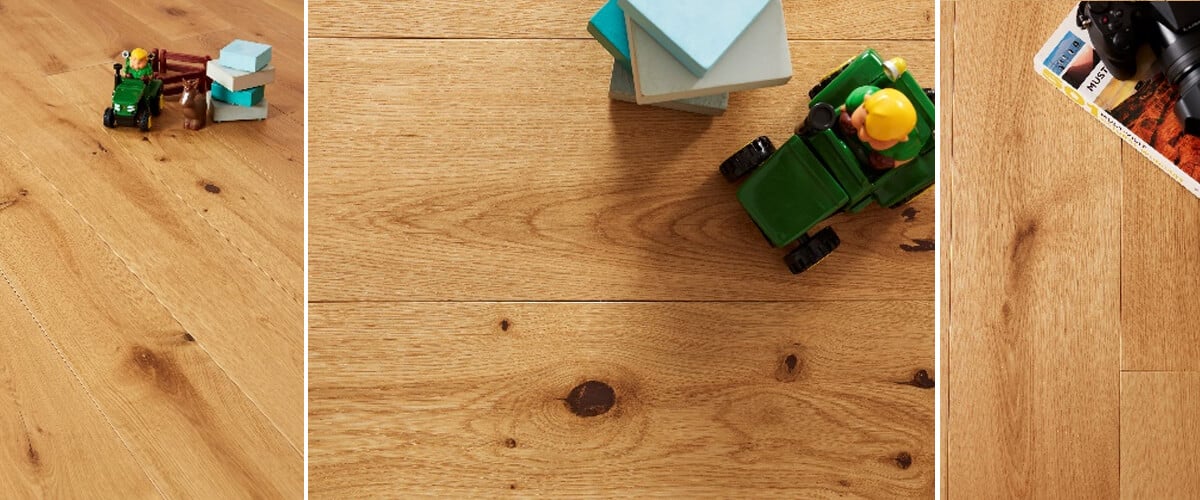

engineered hardwood flooring: 2025 Guide to 10 Best Trends
Why Choose Engineered Hardwood Flooring in the UK
Engineered hardwood flooring combines the beauty and durability of real wood with enhanced stability across varying UK climates. It is constructed with a top veneer of real hardwood bonded to multiple layers of plywood or high-density fiberboard, which reduces expansion and contraction caused by humidity and temperature changes. This makes engineered boards an excellent choice for living rooms, bedrooms, kitchens, and even some bathrooms when properly sealed and installed. For products that emphasize reliability, explore Balmoral engineered flooring, which showcases durable wear layers and classic finishes.
Key Benefits
- Enhanced stability and resistance to moisture compared to solid wood.
- Wide range of finishes, species, and plank sizes, including oak and other hardwoods.
- Ease of installation with compatible subfloors and underlay options.
- Variety of installation methods: floating, glue-down, or nail-down (where appropriate).
- Potential cost savings over solid hardwood while delivering premium aesthetics.
Local Context: Engineered Hardwood Flooring in the UK
The UK market emphasizes durability, ease of maintenance, and compatibility with UK homes. Local hotspots include major towns and cities with residential and commercial projects requiring reliable flooring solutions. In this guide, we reference typical considerations for customers in urban and suburban areas, including London and surrounding counties, while noting that Nationwide Hardwood Flooring Company serves a broad region. Learn about our company at About Us.
Local Considerations
- Subfloor types commonly found in UK homes, such as concrete slabs and timber joists, influence installation methods and underlayment choices.
- Moisture testing is important in ground floors, basements, and areas with high humidity.
- Choosing the right finish and wear layer thickness impacts long-term durability in high-traffic spaces.
- Availability of engineered herringbone and chevron patterns for distinctive design statements.
Understanding the Product: Engineered Hardwood Flooring
Engineered hardwood flooring consists of a real wood veneer on top and multiple supporting layers beneath. This construction can provide greater dimensional stability than solid wood, enabling installations in rooms with slight moisture exposure and in environments where solid wood would be prone to movement. The wear layer thickness varies by product and affects refinishing capabilities. See Loch Sheil Multi Ply Flooring for an example with robust wear layers.
Common Wood Species and Finishes
- Oak engineered flooring, including light and dark stains, provides timeless elegance. Our The Primes engineered flooring line demonstrates refined oak aesthetics.
- Maple, hickory, and walnut engineered options offer alternative aesthetics and performance profiles.
- Chevron and herringbone patterns create sophisticated visual interest for contemporary and traditional spaces.
Design Patterns: Herringbone, Chevron, and Beyond
Pattern choice significantly influences the perceived space and style. Engineered herringbone and chevron patterns are popular for modern interiors, adding architectural detail while maintaining warmth and natural beauty. Both patterns can be produced with engineered boards in a variety of species and finishes. Explore options like Chatsworth Herringbone.
Pattern Options
- Herringbone: A classic linear zigzag that emphasizes length and rhythm in a room.
- Chevron: Angled, continuous V-shaped joints offering a seamless, directional flow.
- Straight or Plank: A traditional option that highlights the natural grain of the wood.
Product Quality and Specifications to Consider
When evaluating engineered hardwood flooring, focus on wear layer thickness, core construction, tongue-and-groove system, installation method compatibility, and finish durability. A thicker wear layer allows for more refinishing over the lifetime of the floor, extending its usefulness in high-traffic areas like living rooms and hallways. For a durable option, see Loch Tummel.
Critical Specifications
- Wear layer thickness: determines refinishing potential.
- Construction: plywood or HDF core with a real wood veneer on top.
- Finish: matte, satin, or gloss; UV-cured finishes offer durability and quick cure times.
- Dimensions: plank width and thickness affect appearance and installation approach.
- Finish warranty and installation warranty from the flooring contractor.
Installing Engineered Hardwood Flooring
Installation methods vary depending on the subfloor and the desired final look. Engineered floors are versatile and can be installed as floating floors, glued-down, or nailed down where applicable. Each method has its prerequisites and best-use scenarios. See our installation guide for wooden floor installation.
Floating Method
The floating method involves interlocking planks with minimal fasteners to the subfloor. It is particularly suitable for concrete slabs and irregular subfloors, provided proper underlayment and moisture barriers are used.
Glue-Down Method
The glue-down method adheres boards to the subfloor using a high-quality adhesive. This method provides a solid, stable feel and is a good choice for rooms with higher foot traffic, kitchens, and spaces where a rigid surface is preferred.
Nail/Staple-Down Method
Mostly applicable to ply-based engineered boards with a suitable click-tongue and groove profile, this method requires a wood subfloor and is common in renovations where a traditional approach is desired or when lining up with existing wooden flooring patterns.
Cost Considerations: Engineered Hardwood Flooring
Cost varies based on wear layer thickness, species, finish, plank size, and installation method. In the UK market, engineered hardwood flooring generally offers a balance between price and performance relative to solid hardwood. Budgeting should include underlayment, moisture barriers, and potential subfloor preparation. Compare options such as Buckingham Solid for contrast.
Typical Cost Factors
- Material cost per square metre or square foot, varying by species and finish.
- Underlayment and moisture barrier requirements.
- Subfloor preparation, including leveling or repair work.
- Installation method: floating, glue-down, or nail-down.
- Edge detailing, transitions, and trim requirements.
Maintenance and Longevity
Maintaining engineered hardwood flooring involves regular cleaning, prompt spill management, and periodic refinishing when necessary. Use manufacturer-recommended cleaners and avoid excess moisture. Protective pads under furniture and mats at entryways help preserve the finish and extend the floor’s life. See our care guide linked within the About page.
Care Tips
- Wipe spills immediately with a dry or slightly damp cloth.
- Use felt pads on furniture legs to prevent scratches.
- Place doormats at entrances to reduce dirt and grit.
- Avoid wet mopping and high-moisture cleaning methods.
Choosing a Flooring Contractor in the UK
Selecting a reputable flooring contractor is crucial for achieving a flawless result. Look for local experience, references, and warranties. A knowledgeable installer will assess subfloor conditions, moisture levels, and appropriate underlayment for engineered hardwood flooring. Learn more about our team on the About page.
What to Ask Prospects
- Do you provide on-site measurements and a written quote?
- What installation methods do you recommend for my space and why?
- What is the wear layer thickness, and how does that impact refinishing?
- Do you offer post-installation care guidance and warranty terms?
Local Hotspots and Interesting Facts to Mention
When crafting SEO content for a UK audience, weaving in local flavor can boost engagement. Consider mentioning areas such as major urban centers, historic neighborhoods, and popular shopping districts where hardwood floor installations are prevalent. For instance, in larger cities, modern homes trend toward open-plan living with engineered flooring that complements contemporary interior design. In historic towns, authentic oak flooring and traditional patterns like herringbone add period-appropriate elegance. Our service area spans across London and the surrounding counties, with ongoing projects featured on our blog.
SEO Strategy for engineered hardwood flooring
To maximize visibility, integrate the FocusKeyword with related terms and semantic variations across the article. The content should maintain a FocusKeyword density between 2% and 3% and incorporate long-tail phrases that reflect user intent, such as engineered hardwood flooring near me, engineered wood floor installation, and engineered herringbone flooring.
Internal and External Linking
- Internal: Link to product pages, installation guides, and the company’s contact page. For example, link Chalfield Herringbone within relevant sections.
- External: Cite reputable industry sources for standards and best practices, where appropriate.
Schema and Accessibility Considerations
Implement structured data for product and service information, local business details, and article markup. Ensure images have alt text describing patterns, finishes, and installation types. Use high-contrast text and descriptive headings to improve accessibility for all users.
Conclusion
Engineered hardwood flooring offers a versatile, durable, and aesthetically appealing option for UK homes and commercial spaces. By choosing the right wear layer, pattern, and installation method, customers can achieve lasting beauty and value. Nationwide Hardwood Flooring Company stands ready to assist with expert guidance, local knowledge, and professional installation services tailored to each project.
Call to Action
Contact Nationwide Hardwood Flooring Company at 07940 528 315 or enquiries@nhfcompany.co.uk to discuss engineered hardwood flooring options, patterns like herringbone and chevron, and tailored installation solutions for your space.