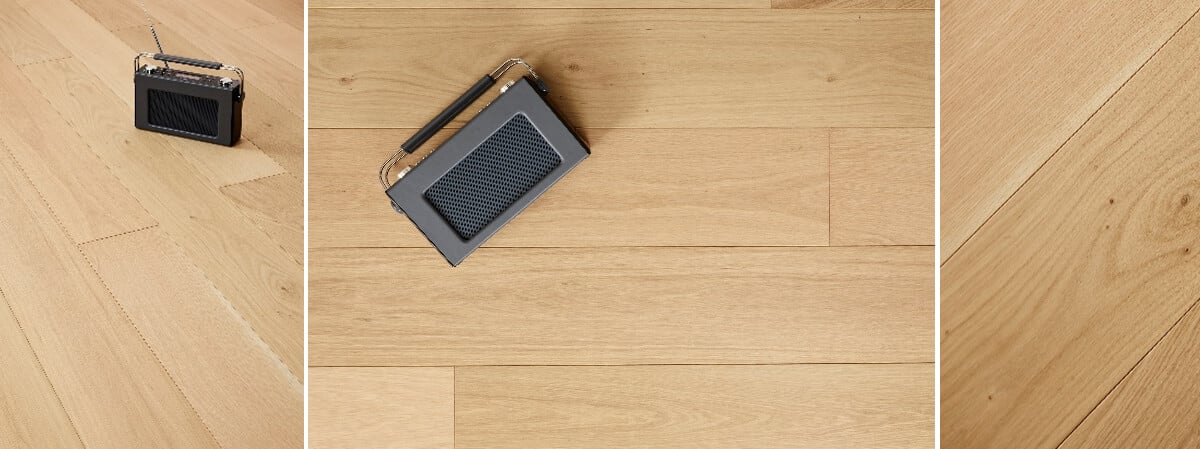

Sealing Wood Floors: No Sanding Needed!
Sealing Wood Floors Without Sanding: A Step-by-Step Guide
Maintaining the beauty and integrity of wood floors is crucial for homeowners, especially when it comes to sealing. However, the traditional approach of sanding can be time-consuming and expensive. Fortunately, there are effective methods available for sealing wood floors without sanding. This article by Nationwide Hardwood Flooring Company will guide you through these methods, highlighting the benefits and steps involved so you can achieve professional results without the hassle.
Why Consider Sealing Wood Floors Without Sanding?
Sanding, while effective, can be a daunting task, involving heavy machinery and a lot of dust. For those looking to maintain or slightly enhance their floors without the ordeal, sealing without sanding offers an appealing alternative. This method not only saves time and effort but is also more environmentally friendly, as it reduces the dust and mess associated with traditional sanding. Learn more about the environmental benefits of dust-free methods.
Benefits of Sealing Without Sanding
- Saves Time: Avoid the lengthy process of sanding and easily apply sealant within a day.
- Cost-Effective: Save on the cost of renting sanding equipment and purchasing sandpaper.
- Preserves Floor Thickness: Frequent sanding can thin out your wood planks over time. By sealing without sanding, you preserve your floor’s original thickness.
- Environmentally Friendly: Less dust and debris, making the process cleaner and better for air quality.
Understanding the Various Types of Sealants
Choosing the right sealant is crucial for the best outcome. Here are some popular options:
- Polyurethane: Offers a durable and glossy finish, ideal for high-traffic areas.
- Water-Based Polyurethane: Less odor and a better environmental impact than oil-based options, while still providing a strong seal.
- Penetrating Sealers: Enhance the wood’s natural look while protecting it from within. These are ideal for those wanting a more natural finish.
- Paste Wax: Not only protects but also provides a shiny finish, great for older styles of wood floors. Check out how paste wax is applied effectively.
How to Prepare Your Floors for Sealing
Even without sanding, proper preparation is key to a successful sealing process:
1. Cleaning the Surface
Start by cleaning your floor thoroughly. Dust and dirt can prevent the sealant from adhering properly. Use a vacuum cleaner to remove loose dirt, followed by a mop or microfiber cloth dampened with a gentle cleaning solution to remove any remaining grime. Ensure the floor dries completely before proceeding. For expert advice on cleaning, you might explore Good Housekeeping’s cleaning tips.
2. Make Necessary Repairs
Before sealing, inspect your floor for any damage. Use wood filler to repair minor dents and scratches. For deeper gouges, carefully fill in to ensure an even surface. Once filled, wipe off excess filler and let it dry completely. Learn more about using wood filler here.
3. Selecting the Right Tools
You’ll need a quality brush or roller to apply the sealant evenly. A brush can provide more control for intricate edges, while a roller is suitable for larger areas.
Applying the Sealant
Once your floor is prepared, you can begin sealing:
Step 1: Edge Work
Start by sealing the edges of your floor using a brush. This technique allows for precision, ensuring that the sealant reaches every corner. Take your time to avoid overlaps or missed spots. For detailed application techniques, check this guide on sealing hardwood floors.
Step 2: Roll the Sealant
Using a roller, apply the sealant across the rest of the floor. Use even strokes, maintaining a wet edge to prevent lap marks. Follow the wood grain to ensure even distribution. Allow the first coat to dry completely before reassessing.
Step 3: Add Additional Coats
After the first coat has dried, inspect the floor. If necessary, apply additional coats to enhance protection and gloss. Be sure to allow adequate drying time between each application.
Maintaining Your Sealed Floors
Once sealed, care for your floors by regularly dusting and cleaning with a soft mop. Avoid using harsh chemicals that can strip the sealant. With proper maintenance, your sealed wood floor can last many years keeping its lustrous finish. For maintenance tips, visit the HGTV wood floor maintenance guide.
Conclusion
Sealing wood floors without sanding is beneficial not only for its efficiency and cost-effectiveness but also for preserving the natural beauty and structural integrity of your floors. By following the steps provided, homeowners can achieve a professional seal with minimal effort. Contact Nationwide Hardwood Flooring Company for expert guidance and high-quality materials to ensure long-lasting results.
For more information, get in touch with us at enquiries@nhfcompany.co.uk or call 07940 528 315. Our team is ready to assist with your flooring needs. Whether you’re in bustling London or the serene outskirts, our solutions cater to all needs, providing a seamless finish that enhances the charm of your wooden floors without the mess of sanding.