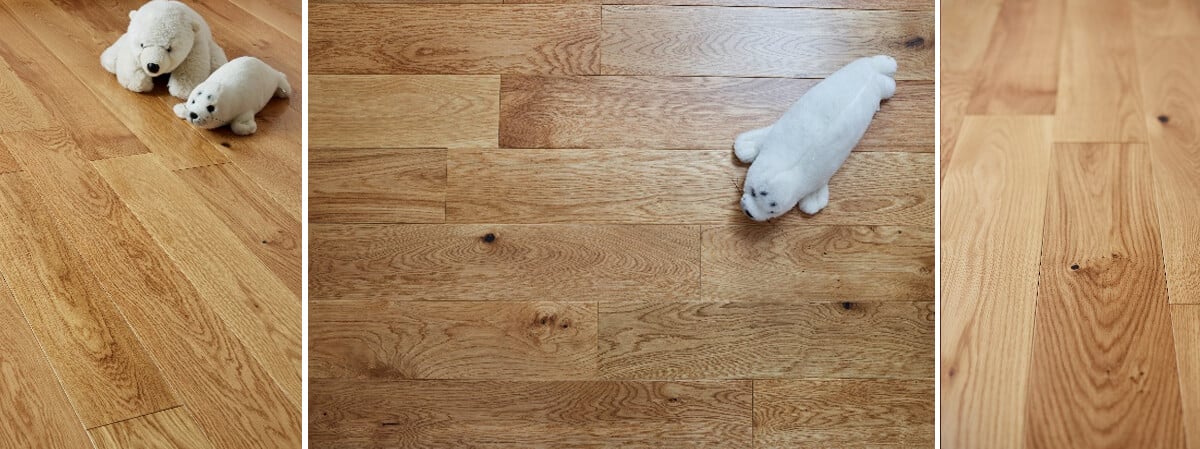

Sanding Engineered Hardwood - 5 DIY Secrets!
Mastering Sanding Engineered Hardwood Flooring: A Comprehensive Guide
Engineered hardwood flooring offers the warmth and beauty of natural wood with added stability. However, over time, even these robust surfaces can show wear. Understanding how to properly sand engineered hardwood flooring is key to maintaining its aesthetic appeal and longevity. For comprehensive guidance, resources like Family Handyman’s guide to refinishing floors can be invaluable.
Why Choose Engineered Hardwood for Your London Home?
Engineered hardwood flooring is particularly popular in urban areas like London due to its resilience to humidity and differential temperatures. Whether you’re living near Southbank’s cultural hotspots or in the quieter suburbs, engineered hardwood adapts well to London’s variable climate. Moreover, it offers an affordable alternative to solid hardwood while maintaining a sophisticated look. Explore options like Haro Engineered Flooring or Balmoral Engineered Flooring to find styles that suit your home.
Understanding Engineered Hardwood Construction
Unlike solid wood, engineered hardwood is composed of multiple layers of wood bonded together. The top layer, often of premium wood species like oak, can be sanded; however, the thickness of this layer limits how often sanding can be performed. This aspect is crucial when planning maintenance or restoration of your flooring. For more insights, consider reviewing This Old House’s comprehensive guide to engineered wood floors.
When Should You Sand Engineered Hardwood?
Sanding is generally needed when the surface becomes scratched, dull, or damaged. The process can help:
- Restore the floor’s original shine and finish.
- Remove surface-level damages such as scratches or light stains.
- Prepare the surface for re-staining or refinishing.
Steps to Sanding Engineered Hardwood Flooring
- Preparation: Clear the space of all furniture and decor. Conduct a thorough cleaning to remove dust and debris.
- Inspection: Determine the thickness of your top veneer. Most engineered wood can only withstand one or two sanding processes.
- Tools Required: Rent or purchase a drum sander, an edge sander, and sandpaper of varying grits (typically starting at 60 grit).
- Sanding: Start with coarse-grit sandpaper for the initial pass, progressively moving to finer grits. Always sand with the grain of the wood. For additional tips, view DIY Network’s guide on sanding wood floors.
- Finishing Touches: Vacuum thoroughly to remove dust, then apply a finish like polyurethane or natural oils for protection and shine.
Safety Tips for DIY Enthusiasts
When undertaking the sanding process yourself, ensure you:
- Use protective gear—safety glasses, ear protection, and dust masks.
- Ensure proper ventilation to handle wood dust effectively.
- Consult a professional if uncertain of your floor’s composition or condition.
Benefits of Professional Sanding Services
Opting for professional services like those offered by Nationwide Hardwood Flooring Company (07940 528 315, enquiries@nhfcompany.co.uk) can save time and ensure a flawless finish. Professionals possess the expertise and equipment to manage all types of floors, ensuring longevity and excellent results. Discover more about wooden floor installation services available. For additional information on why professional assistance may be beneficial, consider Angie’s List guide on professional floor refinishing.
Maintaining Your Engineered Hardwood Floors
Post-sanding, ensure your floors last longer by adopting these care tips:
- Avoid excessive moisture—engineered wood is moisture-resistant, but water can still damage the finish.
- Use pads under furniture to prevent scratches.
- Regularly sweep and mop with a damp cloth to maintain cleanliness. For more cleaning techniques, Good Housekeeping offers practical advice on floor care.
Exploring Local London Trends
London’s architectural beauty is reflected in its vibrant flooring trends. Engineered hardwood is especially favored in historical renovation projects in areas like Notting Hill and Kensington. Combining traditional craftsmanship with modern resilience, engineered floors are an excellent fit for London homes. Consider products such as Herringbone Multi-Ply Eastbury Flooring for a classic yet contemporary touch.
The Final Verdict
Whether considering a DIY project or hiring professionals, understanding the nuances of sanding engineered hardwood flooring can significantly impact the aesthetic and functional benefits of your floors. By maintaining your floors with care and precision, you ensure a warm and inviting atmosphere in your home. For further guidance, resources from HGTV on hardwood floor sanding can provide detailed instructions.
To learn more about our flooring services in London, contact the Nationwide Hardwood Flooring Company for expert advice and professional installation services. Visit our blog for more insights and updates.