
7 Benefits: Engineered Wood Flooring vs. Solid
Understanding the Benefits of Engineered Wood Flooring Over Solid Wood
Flooring is an essential aspect of home décor that not only adds beauty and elegance but also offers durability and comfort. Among the various options available, wood flooring has always been a preferred choice for homeowners. In the UK, homeowners often find themselves debating between engineered wood flooring and solid wood flooring. This article delves into the benefits of engineered wood flooring over solid wood, highlighting why it’s becoming a popular choice for many in regions like London, Birmingham, and Manchester.
1. Construction and Stability
The primary difference between engineered and solid wood flooring lies in their construction. Engineered wood is composed of multiple layers of plywood stacked cross-grained and bonded together, with a top layer of hardwood veneer. This cross-grain construction offers better stability, reducing the chances of warping or shrinkage compared to solid wood. For more information, check the official guide on engineered wood flooring.
Why Stability Matters in UK Homes
Given the UK’s humid and variable climate, engineered wood’s stability makes it a superior option for areas with moisture fluctuations, such as kitchens and basements. Explore options like HARO engineered flooring for added durability.
2. Cost-Effectiveness
Cost is a crucial factor when choosing flooring options. Engineered wood usually costs less than solid wood because it uses fewer precious hardwood materials. This makes it a budget-friendly option while still providing the same aesthetic appeal. Learn more through Which?’s guide to wood flooring types.
- Initial Costs: Engineered wood is generally more affordable per square meter than solid wood, such as the Primes collection.
- Installation: Easier to install, reducing labor costs compared to traditional solid wood flooring installation methods.
3. Aesthetic Versatility
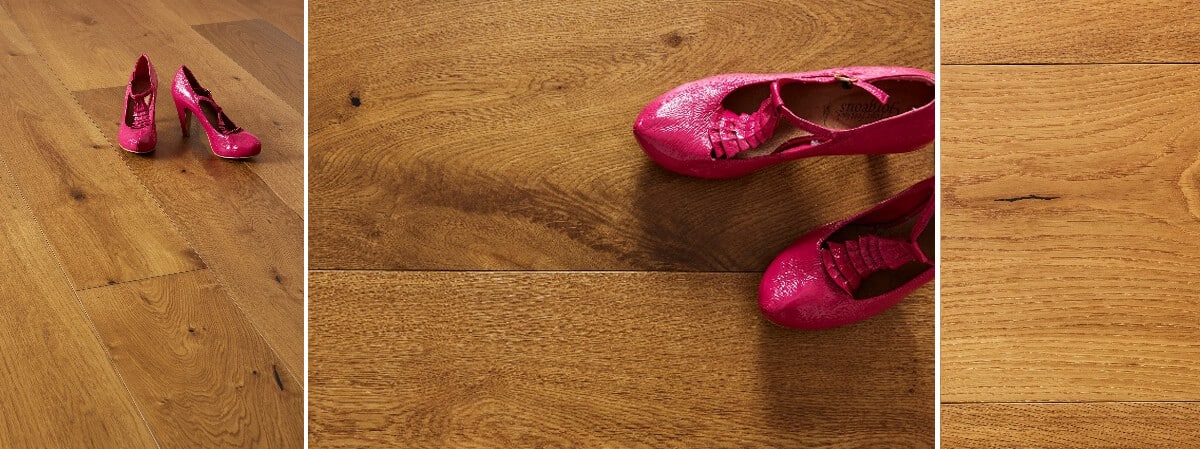
Engineered wood mimics the look of solid wood but offers greater versatility in terms of finishes and styles. Whether you’re looking for a classic oak finish or a modern herringbone pattern, engineered wood flooring provides plenty of aesthetic options.
4. Eco-Friendliness
Environmentally conscious consumers will appreciate that engineered wood flooring minimizes the use of natural hardwood, making it a more sustainable choice compared to solid wood flooring. Additionally, learn more about sustainable flooring options at the official site of Forestry England.
Moreover, many manufacturers source their wood from sustainably managed forests, aligning with eco-friendly practices that appeal to users in environmentally progressive communities.
5. Easy Maintenance
Maintaining engineered wood is easier than solid wood. Its sturdy construction makes it resistant to scratches, and it can be sanded down and refinished if required, increasing its longevity. Consider the Balmoral range for easy maintenance options.
Local Maintenance Tips
In humid locations such as coastal areas of the UK, routine cleaning with a dry mop can prevent moisture build-up, ensuring long-term durability. For additional care tips, refer to Real Homes’ guide on cleaning wood floors.
6. Installation Flexibility
Engineered wood flooring offers diverse installation methods, including floating, glue-down, and nail-down techniques. This flexibility is beneficial when working on time-sensitive projects or remodeling older homes with varying subfloor types.
Suitable for Underfloor Heating
Unlike solid wood, engineered flooring can be safely installed over underfloor heating systems, a common feature in many modern British homes seeking additional heat efficiency. Detailed guidance on this can be found at the UK government’s guide on underfloor heating.
7. Versatility in Use
Thanks to its water resistance and stability, engineered wood can be used in more diverse areas, including areas prone to moisture such as bathrooms and basements—something not typically recommended for solid wood flooring.
Where to Use Engineered Wood in the UK
From chic London flats to rustic country homes in the Midlands, engineered wood adapts beautifully, providing durability in high-traffic areas like family rooms and hallways.
Conclusion: Making an Informed Choice
Deciding between engineered wood and solid wood flooring depends on budget, aesthetic preference, and the specific needs of your space. With its superior stability, cost-effectiveness, and environmental benefits, engineered wood often emerges as the better choice for many UK homeowners.
If you are considering flooring options, our work shows excellent examples of engineered wood installations. Contact Nationwide Hardwood Flooring Company at 07940 528 315 or email enquiries@nhfcompany.co.uk for more information or to arrange a consultation. Discover how engineered wood can transform your space today.