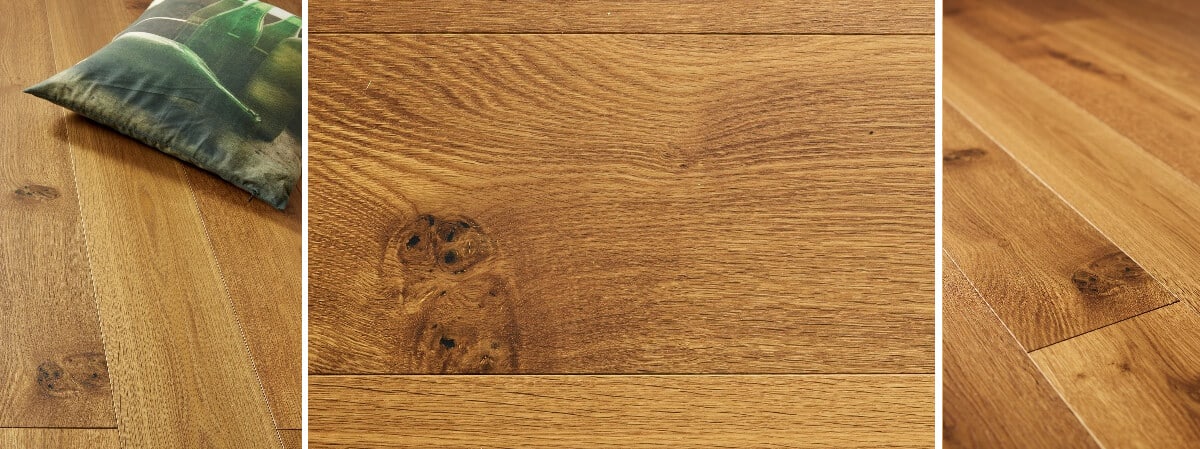

Choosing the Right Underlay for Hardwood Floors: 10 Tips
Choosing the Right Underlay for Hardwood Floors
When it comes to enhancing the beauty and longevity of hardwood flooring, one critical aspect often overlooked is the choice of underlay. Choosing the right underlay for hardwood floors can significantly impact the installation process, comfort, and durability of your flooring. This guide will walk you through essential factors to consider and local options available in your area.
Understanding the Importance of Underlay
Underlay serves multiple purposes that extend beyond just being a cushion beneath your floors. It provides thermal insulation, soundproofing, and moisture protection, ensuring that your hardwood flooring lasts longer and performs better. Without the appropriate underlay, your flooring may suffer from premature wear and tear. For more insights on flooring solutions, check out our About Us page.
Types of Underlay for Hardwood Floors
There are several types of underlay options available, each suited for different situations:
- Foam Underlay: This is popular for its affordability and basic comfort. It’s perfect for general use in living rooms or bedrooms.
- Felt Underlay: It is thicker and denser, providing excellent sound insulation, making it ideal for multi-level homes or apartments. For more information, visit VisitScotland.
- Rubber Underlay: Best known for its durability and long-lasting performance, rubber underlay is perfect for high-traffic areas.
- Combination Underlay: This option combines the benefits of foam and felt, giving you the best of both worlds.
Choosing the Right Underlay Based on Location
Finding the right underlay for hardwood floors also involves considering the specific needs of your space. If you’re located in an area with high humidity, such as London, ensure that the underlay you choose has moisture-resistant properties. Engaging with local suppliers can help you find options that suit your climate. For recommendations on suppliers, visit our section on Our Work for notable projects. Additionally, check the Greater London Authority for local building regulations and guidelines.
Local Flooring Suppliers in London
Many flooring suppliers in London offer quality underlay options. Here are a few places to consider:
- Flooring Superstore: Offers a wide range of affordable underlay options.
- John Lewis: Known for high-quality products, they provide premium underlay suitable for hardwood flooring.
- Homebase: A great destination for DIY enthusiasts looking for budget-friendly options.
Consider the Thickness of the Underlay
The thickness of underlay can affect how it feels underfoot and how it performs. Generally, thicker underlay provides better sound dampening but may not be necessary for hardwood flooring. A 2-3mm thickness is usually ideal for most hardwood installations. Explore our Balmoral Engineered Flooring options that might complement your choice of underlay.
Assessing Acoustic Properties
If you’re living in an apartment setting or near noise-sensitive areas, sound insulation becomes crucial. Underlays specifically designed for acoustic soundproofing will help minimize noise transfer, ensuring peace and quiet. Learn about various Loch Tummel Multi-Ply Flooring options that enhance soundproofing features.
Moisture Resistance
Whether you’re installing hardwood in bathrooms or kitchens—rooms with higher moisture levels—having moisture-resistant underlay is essential. Look for underlays treated with water-resistant properties or vapor barriers that will help prevent buckling and damage. For moisture-resistant flooring ideas, consider examining our Barn Multi-Ply Flooring.
Installation Process: DIY vs. Professional Help
Determining whether to install underlay yourself or hire flooring contractors can impact your overall project cost. While installing underlay is relatively straightforward, seeking professional help assures a perfect fit, especially when dealing with uneven surfaces. If you prefer DIY tips and tricks, our Checkout guide has great resources. For more guidance on DIY flooring installation, check the comprehensive tutorials on WikiHow.
Considering the Cost of Underlay
Your budget will inevitably influence your underlay choice. While opting for cheaper options may save money upfront, investing in a quality underlay can enhance the comfort and durability of your hardwood floors in the long run. Our product pages can guide you with budget-friendly selections. For more information on flooring materials costs, visit London.gov.
5 Tips for Choosing Underlay
- Evaluate your flooring type and its specific needs.
- Consider the acoustic requirements of your space.
- Ensure moisture resistance if necessary, especially in bathrooms and kitchens.
- Assess the overall thickness and comfort level underfoot.
- Plan your budget carefully; sometimes spending more upfront pays off in durability.
Environmental Considerations
As environmental concerns become increasingly important, explore eco-friendly underlay options that use sustainable materials. Many flooring suppliers now offer green choices that not only perform well but also reduce your carbon footprint. Check out our Clients page for examples of environmentally conscious projects.
Conclusion: Making Informed Choices
Ultimately, choosing the right underlay for hardwood floors involves weighing multiple factors—from your budget to the specific needs of your space. Consulting with professionals or local suppliers can provide valuable insights, ensuring your hardwood flooring maintains its beauty for years to come. For expert guidance on flooring solutions or to inquire about cheap hardwood flooring options, feel free to contact the Nationwide Hardwood Flooring Company at 07940 528 315 or email us at enquiries@nhfcompany.co.uk. We are here to help you find the perfect solution for your flooring needs.