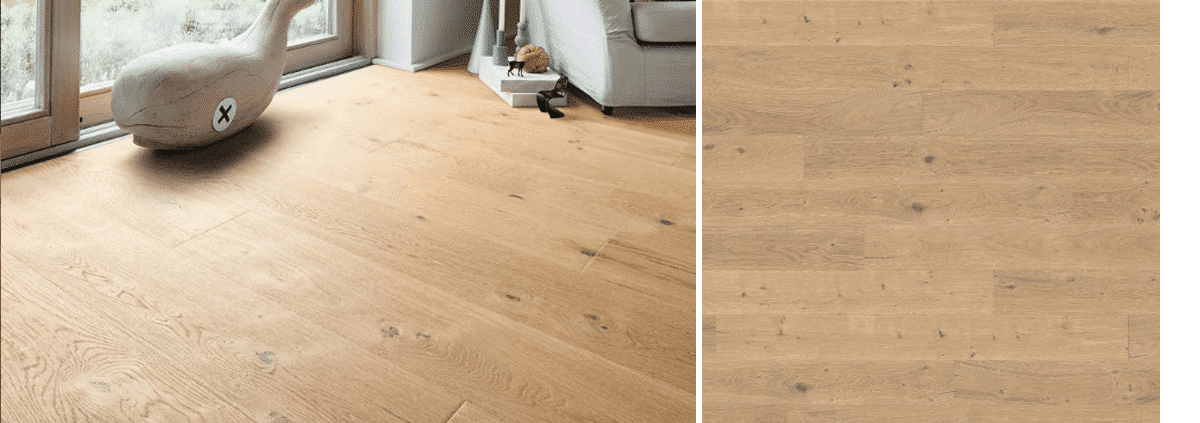

Understanding Wood Floor Expansion Gaps: A Key Guide
Understanding Wood Floor Expansion Gaps
At Nationwide Hardwood Flooring Company, we pride ourselves on providing quality solutions for all your flooring needs. One area that often confuses customers is the concept of wood floor expansion gaps. Understanding these gaps is crucial for ensuring the longevity and durability of your flooring.
What are Expansion Gaps?
Expansion gaps are small spaces left around the perimeter of hardwood flooring installations. These gaps allow the wood to expand and contract with temperature and humidity changes without buckling or warping. For more detailed information about hardwood flooring care, you can refer to Wood Floors Online.
Why are Expansion Gaps Important?
Wood is a natural material that reacts to environmental changes. Without proper expansion gaps, your flooring may experience:
- Warping
- Buckling
- Crowning
All of which can lead to costly repairs. By understanding wood floor expansion gaps, you can prevent these issues from occurring. The Greater London Authority provides insight into the importance of using wood correctly to maintain structural integrity.
How to Determine the Size of Expansion Gaps
The required width of expansion gaps depends on various factors, including:
- Type of wood used
- Humidity levels in your area
- Room temperature fluctuations
As a general rule, a gap of 1/4 inch to 1/2 inch is usually sufficient. However, consulting with our skilled flooring contractors will provide tailored advice for your specific circumstances. For recommendations on materials and their application, visit TrustMark.
Expansion Gaps in Specific Locations
Understanding wood floor expansion gaps is particularly crucial when considering different areas of your home. For instance:
Living Areas
In larger open spaces, expansion gaps may need to be slightly larger to accommodate movement. This is especially true for rooms with high ceilings or large windows that can result in significant temperature changes. Check out more details on planning your home environment at English Heritage.
Bedrooms
Bedrooms often maintain a consistent temperature, which may allow for smaller expansion gaps. However, always ensure there is still some allowance for wood movement.
Bathrooms
Humidity and moisture levels in bathrooms can cause wood to swell. Therefore, your expansion gap needs to be adequately sized to account for this, ensuring that your hardwood flooring remains stable and sturdy.
How to Maintain Expansion Gaps
Once your flooring is installed, proper maintenance of expansion gaps is vital:
- Avoid filling gaps with baseboards or trim.
- Ensure that your flooring installation is completed under the guidance of professional floor fitters.
Conclusion
Understanding wood floor expansion gaps is an essential aspect of maintaining your hardwood flooring’s beauty and functional integrity. At Nationwide Hardwood Flooring Company, our experienced team is here to assist you with all your flooring needs. For inquiries, please contact us at 07940 528 315 or email us at enquiries@nhfcompany.co.uk.
Ensuring correct expansion gaps will ultimately protect your flooring investment. Reach out to us today to learn more about our services and find the ideal flooring solution for your home.