
Multi-Ply Flooring vs Solid Wood Flooring Comparison
Multi-Ply Flooring vs Solid Wood Flooring Comparison
When it comes to selecting the right flooring for your home, understanding the differences between various types of wood flooring is essential. Today, we will delve into the multi-ply flooring vs solid wood flooring comparison to help you make an informed decision for your residential or commercial space.
Understanding Solid Wood Flooring
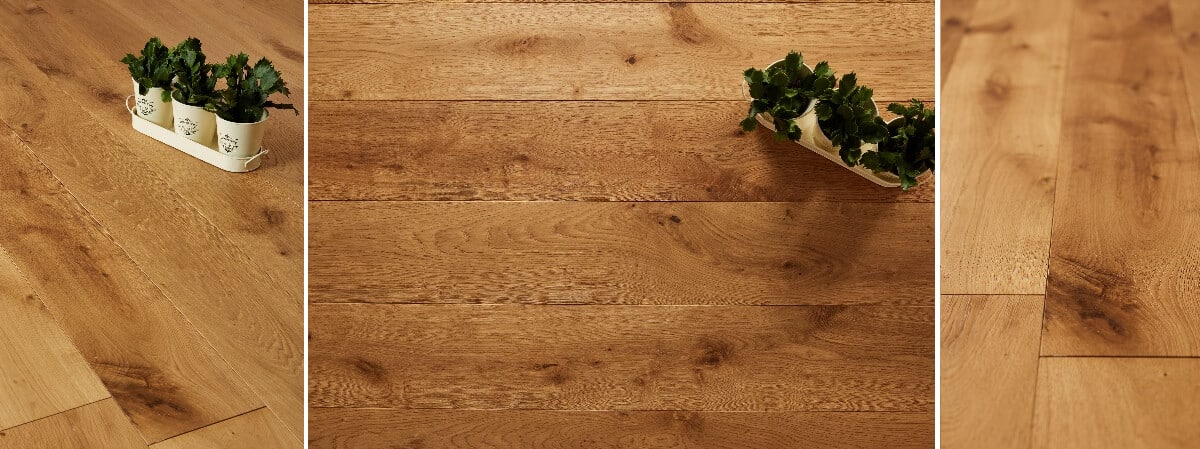
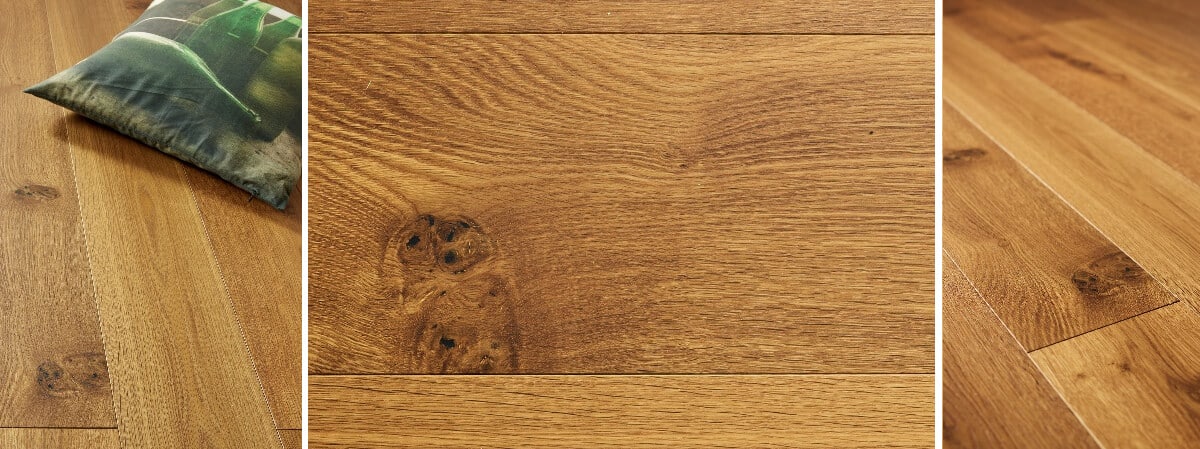
Solid wood flooring is made from 100% natural wood, offering unmatched authenticity and beauty to any room. This type of flooring is typically milled from a single piece of hardwood, making it a durable option that can last for decades with proper care. For an example of solid wood flooring styles, check out our Blenheim collection.
Benefits of Solid Wood Flooring
- Timeless Aesthetic: Solid wood floors exude elegance and can enhance the value of your property.
- Durability: With adequate maintenance, solid wood flooring can last a lifetime.
- Sanding and Refinishing: Solid wood can be sanded and refinished multiple times, enabling you to refresh its appearance over the years.
- Natural Insulation: Wood has natural insulating properties, making it a warm flooring choice.
Considerations for Solid Wood Flooring
While solid wood flooring has many advantages, there are some considerations to keep in mind:
- Susceptibility to Humidity: Solid wood is sensitive to changes in humidity and may expand or contract, leading to gaps and warping.
- Higher Cost: Generally, solid wood flooring is more expensive than multi-ply options due to its material and installation costs. According to Building Research Establishment, the lifecycle costs should also be taken into account.
Exploring Multi-Ply Flooring
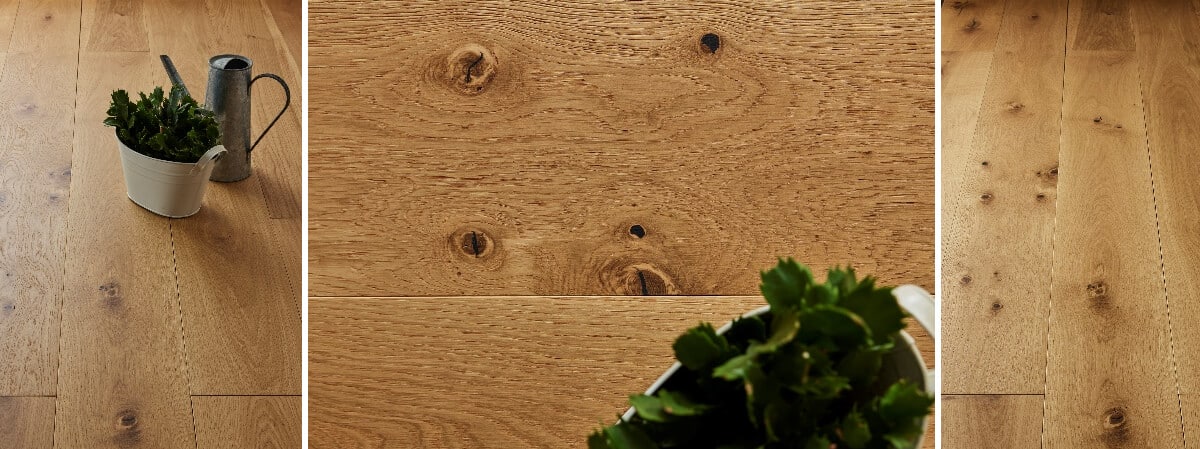
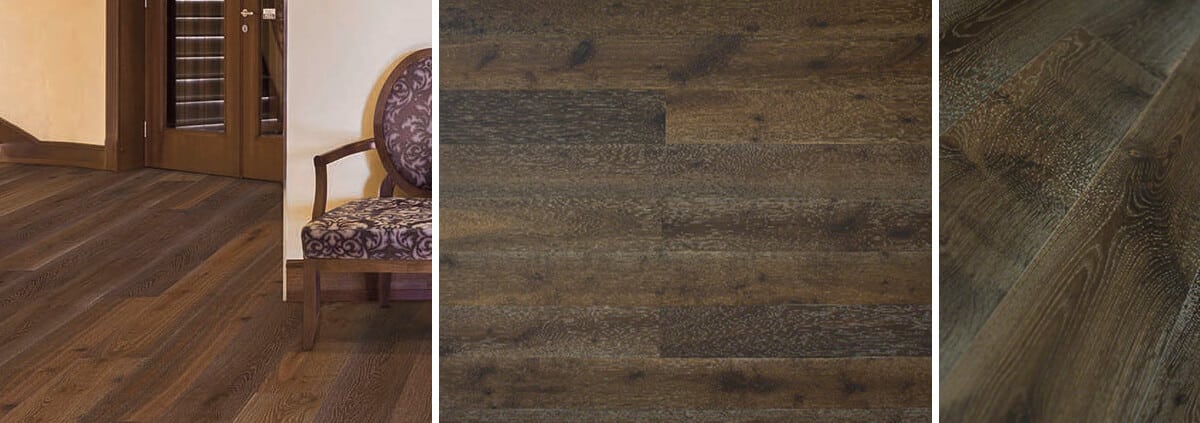
Multi-ply flooring, also known as engineered wood flooring, consists of multiple layers of wood that are glued together. The top layer is often a thick veneer of solid hardwood, while the inner layers are made from plywood or high-density fiberboard (HDF), providing stability and strength. Discover our range by visiting the Loch Rannoch collection.
Advantages of Multi-Ply Flooring
- Stability: Multi-ply flooring is more resistant to humidity changes, making it less likely to warp or split.
- Cost-Effective: Engineered wood is generally less expensive than solid wood, making it a budget-friendly choice for homeowners.
- Versatile Installation: Multi-ply flooring can be installed over concrete, radiant heating, or existing flooring, improving installation flexibility.
- Eco-Friendly Options: Many multi-ply flooring products use sustainable wood sources, making them a great eco-conscious choice. For more sustainable flooring options, visit PEFC’s site.
Limitations of Multi-Ply Flooring
Despite its many benefits, multi-ply flooring has some limitations you should consider:
- Refinishing Limitations: Unlike solid wood, multi-ply flooring can only be sanded and refinished once or twice due to the thinner veneer layer.
- Lesser Longevity: While durable, engineered wood may not last as long as solid wood under heavy foot traffic.
Multi-Ply Flooring vs Solid Wood Flooring Comparison
Understanding the comparisons between these two flooring types can help you in making the right choice for your specific needs:
Cost Considerations
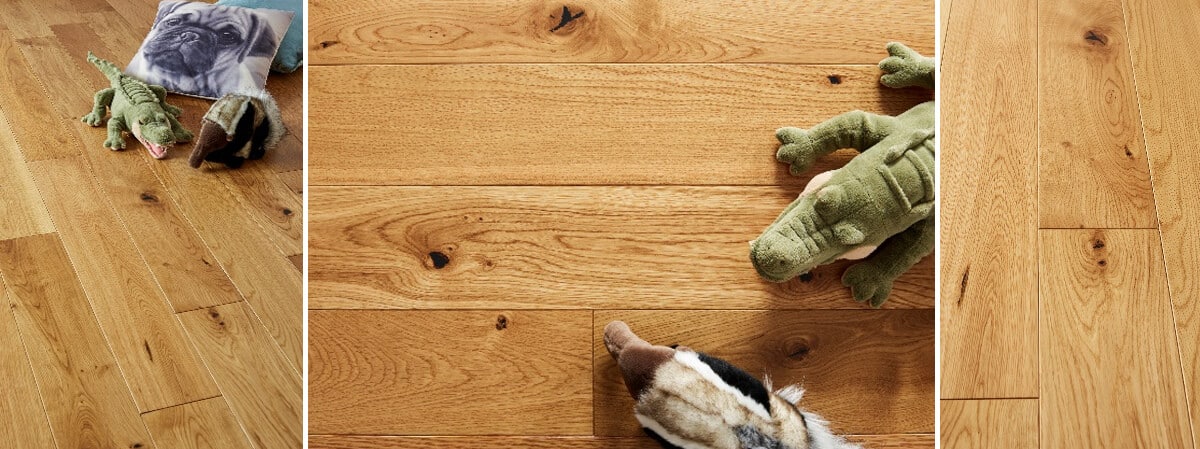
Solid wood flooring generally comes with a higher price tag compared to multi-ply options. If budget is a concern for your project, multi-ply flooring can be a cost-effective solution. Consider our Chalfield multi-ply flooring as an affordable option.
Installation Differences
Multi-ply flooring is easier to install across different surfaces, making it more versatile than solid wood. This can be especially valuable for homeowners planning to install flooring in basements or rooms with varying moisture levels. Explore the benefits of our Alnwick multi-ply design for projects in such areas.
Durability and Maintenance
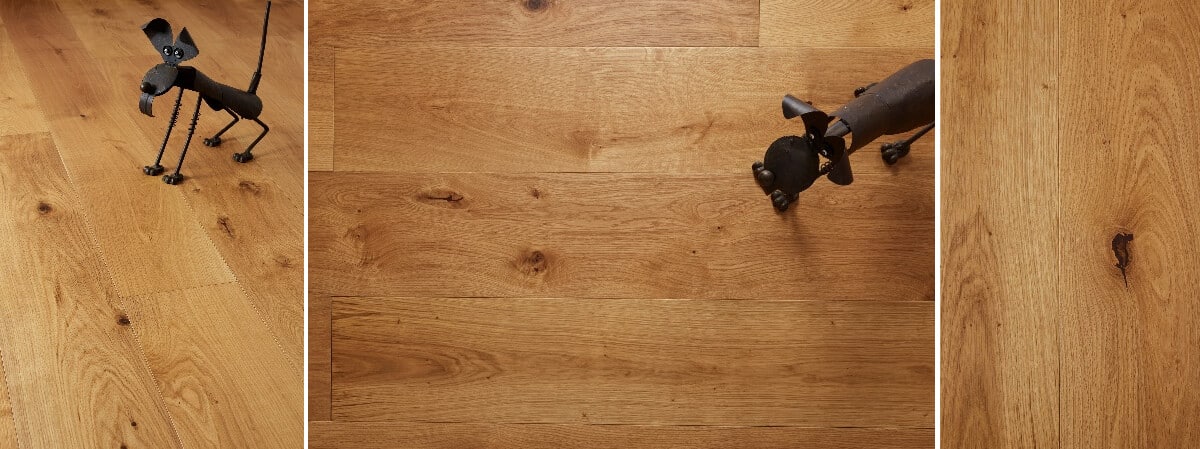
While both types of flooring are durable, solid wood flooring offers superior longevity. However, maintaining multi-ply flooring can be simpler given its resistance to environmental changes. Our Burghley collection showcases how luxury can also be manageable.
Choosing the Right Type for Your Home
Evaluating your specific needs will help in choosing either multi-ply flooring or solid wood flooring. Here are a few factors to keep in mind:
- Room Function: Consider the type of room you are installing the flooring in. Kitchens and bathrooms may benefit from the moisture resistance of multi-ply flooring.
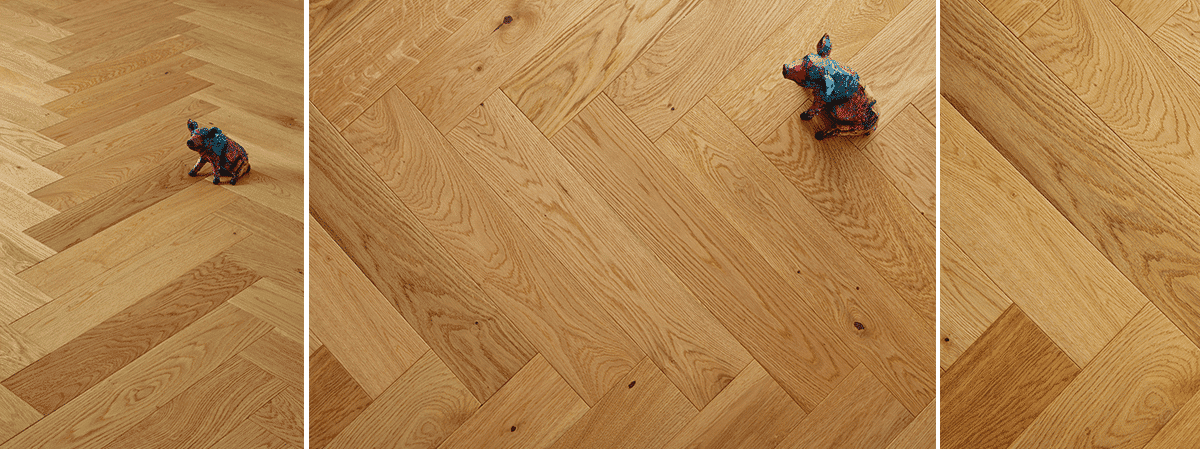
- Aesthetic Preference: Choose solid wood if you desire a traditional look; multi-ply offers a range of styles and finishes suitable for modern settings, such as our Eastbury herringbone flooring.
- Budget: Determine your budget and weigh the long-term investment versus initial costs.
Why Choose Nationwide Hardwood Flooring Company
At the Nationwide Hardwood Flooring Company, we pride ourselves on providing high-quality flooring options, including both solid wood and multi-ply alternatives, that suit every home and budget. Our expert team is ready to assist you in selecting the perfect flooring solution tailored to your needs.
Our Services Include:
- Supply and Installation: We offer a full range of installations across the UK, including London, Surrey, Essex, and Sussex.
- Floor Sanding and Restoration: Revitalize your existing floors with our floor sanding and restoration services.
- Expert Consultations: Our team is available to guide you in the selection process, addressing any questions or concerns regarding your flooring options.
Conclusion
In the multi-ply flooring vs solid wood flooring comparison, both flooring types offer unique benefits. Your choice should be based on your specific needs, budget, and aesthetic desires. For quality hardwood flooring supplies and installation throughout the UK, contact the Nationwide Hardwood Flooring Company at 07940 528 315 or email us at enquiries@nhfcompany.co.uk. Let’s find the best solution for your flooring needs today!