
Best Solid Wood Floor Refinishing Techniques: 5 Tips
Best Solid Wood Floor Refinishing Techniques
Are you looking to breathe new life into your solid wood floors? Refinishing them can dramatically enhance their appearance, restoring their original beauty while extending their lifespan. In this article, we will cover the best solid wood floor refinishing techniques to ensure your floors shine like new for years to come.
Understanding Solid Wood Floor Refinishing
Refinishing solid wood floors involves sanding them down to remove the old finish and applying a new coat. This process not only restores the wood’s natural beauty but also protects it from wear and tear. Let’s delve into the best refinishing techniques used by industry professionals.
The Best Solid Wood Floor Refinishing Techniques
- Assessing the Condition of Your Floor
- Before starting the refinishing process, evaluate the condition of your floors. Look for signs of wear, scratches, and discoloration. If the floor is too worn down, it might need professional help from a flooring contractor to ensure a proper job.
- Consider areas of high traffic and any water damage that may have affected the wood. Understanding the condition will help you decide if a full refinish is necessary or just a light sanding will suffice.
- Choosing the Right Sandpaper Grit
- The first step in the refinishing process is sanding. Start with a coarse grit sandpaper, usually 36 to 40 grit, to remove the old finish effectively. Gradually move to finer grits (60, 80, and finally 120) to smooth the surface.
- This step is crucial; improper sanding can damage the wood and won’t yield the desired finish. Ensure to use an orbital sander for even coverage and a smooth surface, as recommended by TRADA for best practices in wood preparation.
- Applying the Stain
- After sanding, it’s time to apply stain if you want to change the color of your floors. Test the stain on a small area to ensure you like the color.
- Use a quality stain brush or roller, applying it evenly and wiping off any excess with a clean cloth. Allow the stain to dry according to the manufacturer’s instructions.
- Applying the Finish
- The finish protects your wood floors from scratches and moisture. There are three types of finishes: oil-based, water-based, and acid-cured. Oil-based finishes are durable but take longer to dry. Water-based finishes dry quickly but may not be as durable. Acid-cured finishes provide excellent durability but require professional application.
- Apply the finish with a brush, working in small sections to maintain a wet edge, and allow adequate drying time between coats for optimal results. For more information on choosing finishes, you can refer to Flooring Magazine.
- Final Buffing and Cleanup
- After the final coat has dried, buff the surface with a fine grit pad to give it a polished look. This step can help remove any dust particles or minor imperfections that may have been trapped in the finish.
- Ensure to clean the area, removing any dust or debris before using the floors again. It’s important to wait at least 24 to 48 hours before walking on your newly refinished floors.
Why Choose Professional Refinishing Services
While DIY refinishing can be a rewarding project, many homeowners prefer to hire a professional flooring contractor due to the expertise and tools required. Professional services offer not only superior results but also save time and reduce the risk of mistakes. To learn more about our offerings, check out our About page.
The Cost of Solid Wood Floor Refinishing
The cost for refinishing solid wood floors can vary based on size, condition, and whether you opt for professional services. On average, expect to pay about £3 to £5 per square foot for professional refinishing. This may seem steep, but it’s an investment in the longevity and beauty of your flooring as noted by the Building Conservation website.
Local Services in Kent and Surrounding Areas
For homeowners in Kent and the surrounding areas, the Nationwide Hardwood Flooring Company offers expert solutions for solid wood floor refinishing. With our dedicated team and quality products, including those from our Buckingham range, we ensure impeccable results that enhance your home’s aesthetic.
If you’re in London, Surrey, Essex, or Sussex, we are ready to serve your refinishing needs with precision and care. Get in touch today at 07940 528 315 or via email at enquiries@nhfcompany.co.uk to discuss your project!
Conclusion
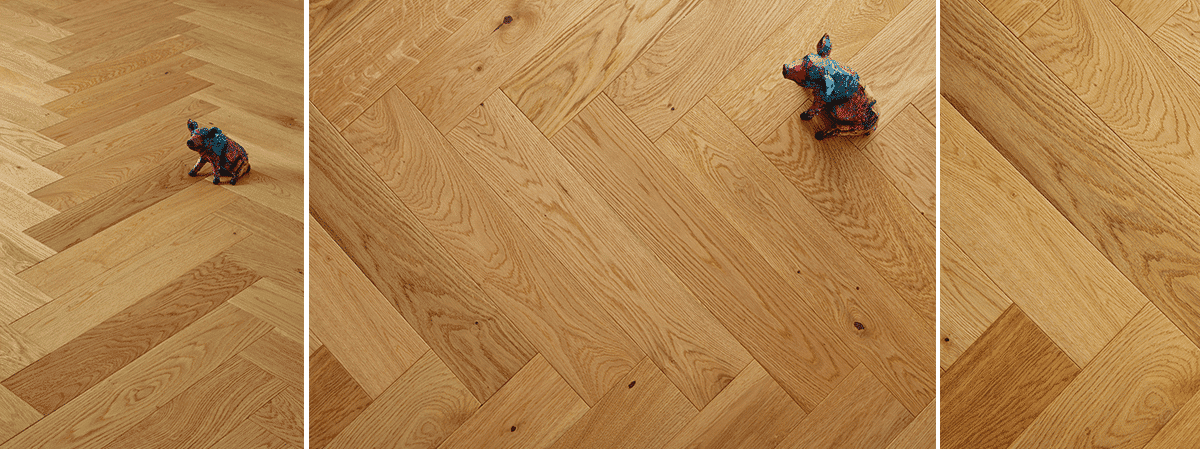
In conclusion, refinishing your solid wood floors can not only restore their original charm but also significantly increase the value of your home. Whether you choose to undertake the project yourself or hire a professional flooring contractor, understanding the best solid wood floor refinishing techniques is essential for achieving the best results. For further information on flooring choices, visit our Herringbone flooring product page.
Remember that proper maintenance and care also play a key role in keeping your floors looking fantastic over time. Enjoy the beauty of your refinished floors for years to come!