
Best Practices for Hardwood Floor Restoration in Kent
Best Practices for Hardwood Floor Restoration in Kent
When it comes to enhancing the elegance and durability of your home’s interior, hardwood flooring remains one of the top choices among homeowners in Kent. Whether you own a historic property in Canterbury or a modern flat in Maidstone, proper maintenance and restoration of your hardwood floors are vital for preserving their beauty and functionality. In this article, we will explore the best practices for hardwood floor restoration in Kent, ensuring your floors look as good as new.
Understanding Hardwood Floor Restoration
Hardwood floor restoration is not just a cosmetic improvement; it’s essential for the longevity of your floors. It involves a series of methods designed to revive and protect the wood, addressing issues like wear and tear, scratches, and discoloration. In Kent, where various weather conditions can affect wood, restoration practices become even more crucial. For further reading on the importance of hardwoods, visit Wood for Good.
Why Choose Professional Restoration Services in Kent?
- Expertise: Professionals understand the different types of hardwood and appropriate restoration methods.
- Tools and Techniques: Access to advanced tools ensures a more effective restoration.
- Time-saving: It often takes less time than a DIY approach, allowing homeowners to continue their daily routines.
- Quality Finish: Professional restorers provide a finish that DIY efforts may not match.
Steps to Restore Hardwood Floors
Here are some fundamental steps involved in the hardwood floor restoration process:
Step 1: Inspection
The first step in restoration is a thorough inspection. Professionals will examine your floors for signs of damage such as warping, termites, or deep scratches. This assessment helps in planning the restoration approach.
Step 2: Cleaning
Proper cleaning is crucial before any restoration work begins. Use a gentle cleaner formulated specifically for hardwood floors to remove dirt and grime.
Step 3: Sanding
Sanding is perhaps the most critical part of the restoration process. It involves removing the top layer of the wood to eliminate scratches and imperfections. Many professionals in Kent use dustless sanding methods to keep the area clean, ensuring minimal disruption. For advanced sanding equipment, explore options offered by Pallmann.
Step 4: Staining
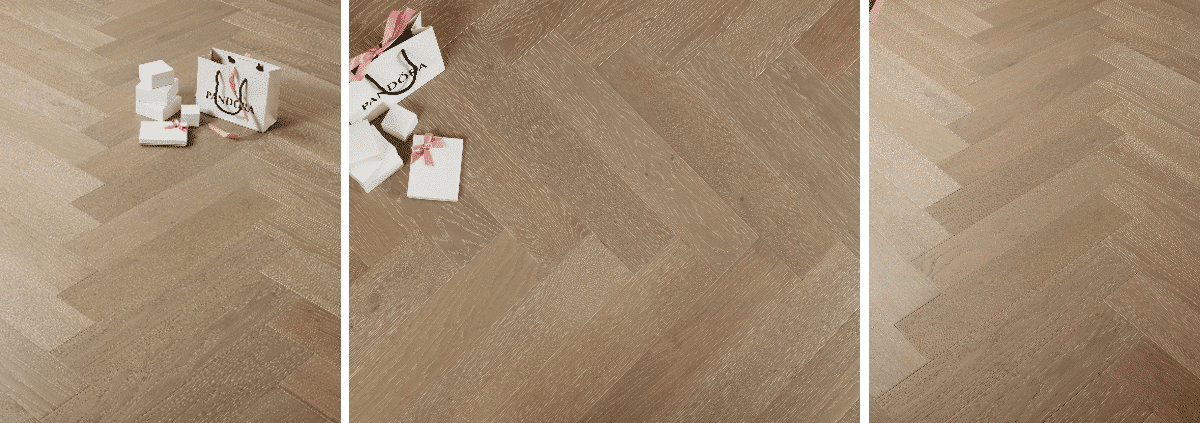
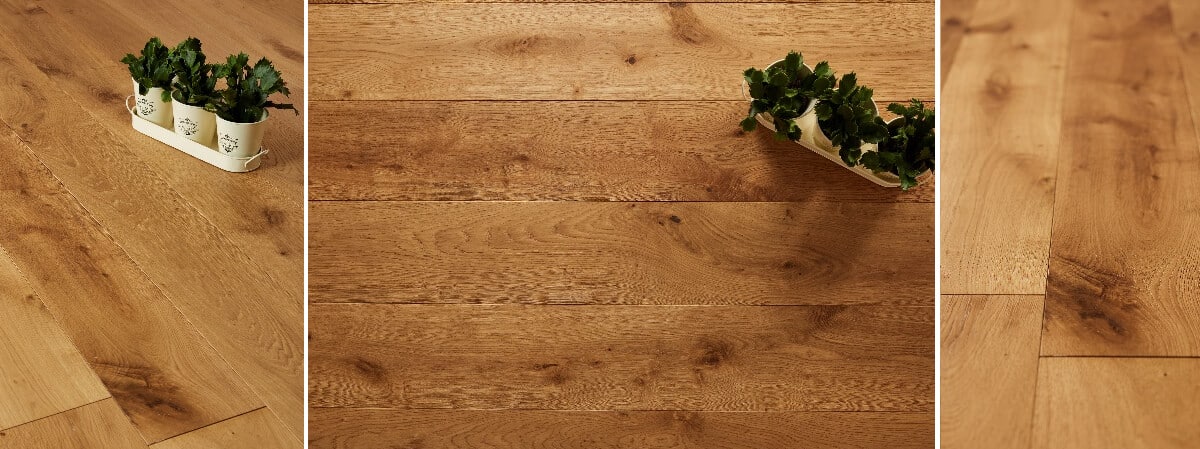
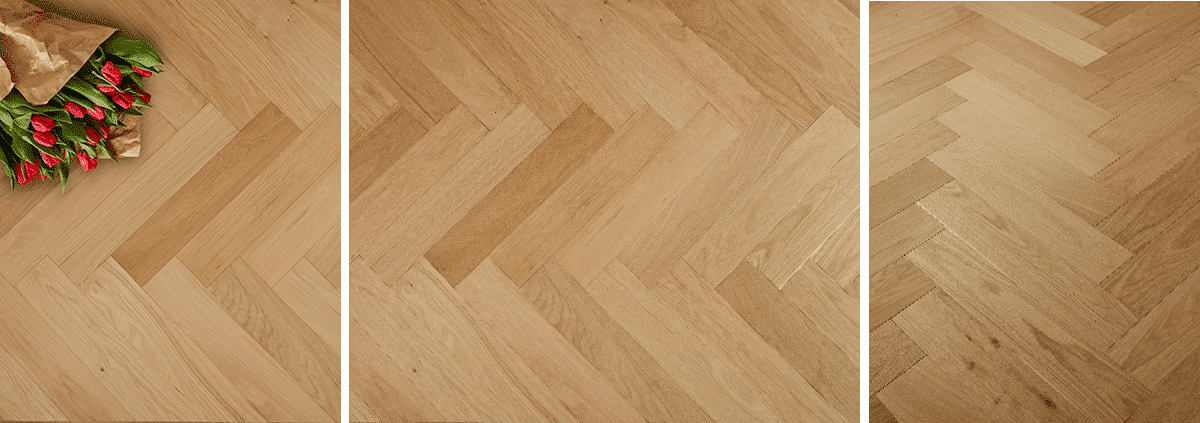
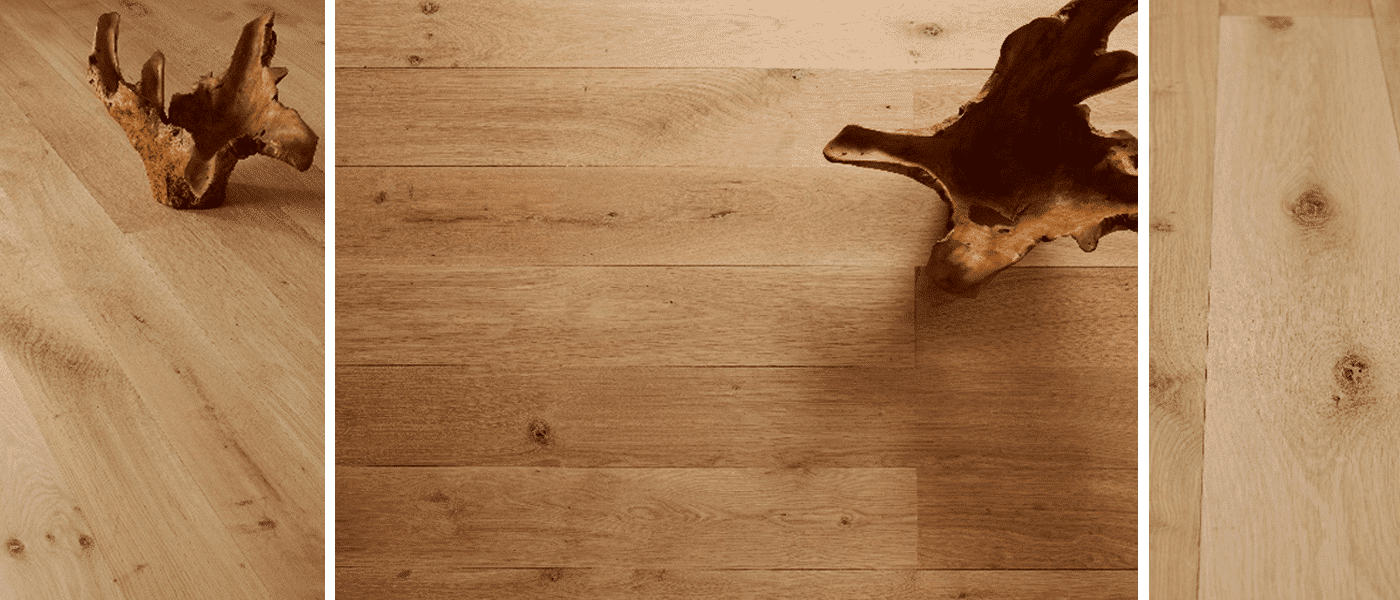
Once the floor is sanded down, you can choose to stain it. This step allows you to change the color of the wood or enhance its natural beauty. Always choose stains that are compatible with your wood type, and consider products from our range of engineered flooring options for stunning results.
Step 5: Sealing
The final step is sealing. This protects the wood from moisture, dirt, and wear. Professionals typically use polyurethane or oil-based sealers, which offer various finishes like matte or glossy for a polished look. For top-quality sealing products, check Bona.
Commercial vs Residential Hardwood Floor Restoration
In Kent, both commercial and residential properties benefit from hardwood floor restoration. However, the demands and expectations differ.
Residential Hardwood Floor Restoration
Homeowners typically focus on aesthetics and comfort. Restoration often includes customizing the finish and color to match the home decor.
Commercial Hardwood Floor Restoration
Commercial spaces require stronger finishes due to high foot traffic. Restoration might also include attention to fire safety regulations and long-lasting coatings suited for heavy use. Research industry standards from BSI Group to understand fire safety guidelines.
Best Practices for Maintaining Restored Hardwood Floors
After restoration, the key to long-lasting hardwood floors lies in maintenance. Here are some best practices:
- Regular Cleaning: Sweep or vacuum weekly, and clean spills immediately.
- Avoid Water: Excessive water can damage hardwood floors; use a damp mop instead.
- Use Furniture Pads: Prevent scratches by placing pads under furniture legs.
- Control Humidity: Use humidifiers or dehumidifiers to maintain an optimal humidity level.
Choosing the Right Flooring Company in Kent
For effective hardwood floor restoration, it’s essential to choose the right flooring company. Consider the following factors:
Experience and Reputation
Research companies like the Nationwide Hardwood Flooring Company, which is known for their years of experience in serving the Kent area and providing exemplary service.
Service Offerings
Ensure the company provides a comprehensive range of services, such as installation, sanding, and restoration, to meet all your flooring needs.
Customer Reviews
Look for testimonials and reviews from previous clients to gauge the quality of their work. Understanding their past projects can guide your choice in a reliable service provider.
Conclusion: Restore Your Hardwood Floors to Their Former Glory
With the best practices for hardwood floor restoration in Kent, you can ensure that your hardwood floors remain beautiful and functional for years to come. Regular maintenance coupled with professional restoration services will let you enjoy the elegance of hardwood flooring. For more information or to schedule a consultation, contact the Nationwide Hardwood Flooring Company at 07940 528 315 or email us at enquiries@nhfcompany.co.uk.