
How to Restore Solid Wood Floors Effectively: 5 Expert Tips
How to Restore Solid Wood Floors Effectively
If you’re searching for how to restore solid wood floors effectively, you’ve landed in the right place. Solid wood flooring adds beauty and value to any home, but over time, it can lose its luster due to wear and tear. Whether you own a charming cottage in Kent or a modern flat in London, knowing the right methods for restoring your hardwood floors is crucial to maintaining their beauty and longevity.
Understanding Solid Wood Flooring
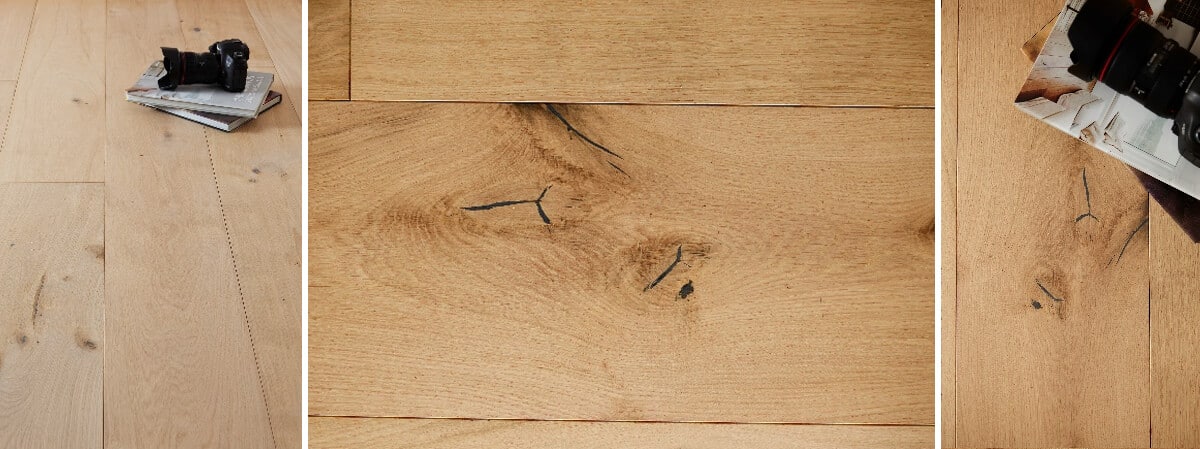
Before diving into the restoration process, it’s important to understand what solid wood flooring is. Solid wood flooring is crafted from one single piece of timber, adding strength and durability. This type of flooring can be sanded and refinished multiple times, making it an investment worth maintaining. For more information on the benefits of wood flooring, you can visit Wood for Good.
Many homeowners in Kent and surrounding areas like London and Essex often opt for solid wood floors for their aesthetic appeal, warmth, and comfort. But how do you bring back that showroom shine?
1. Assess the Condition of Your Floors
The first step in how to restore solid wood floors effectively involves a thorough inspection. Look for scratches, dents, discoloration, or worn areas. Understanding the extent of damage will help you determine the restoration method.
- Surface Scratch: Can usually be polished out with a simple buffing.
- Deep Scratches: May require sanding and refinishing.
- Worn Finish: Might be revitalized with a fresh coat of polyurethane.
2. Gather Necessary Tools and Materials
Once you have assessed the floor, gather the necessary tools. For effective restoration, you will need:
- Sander (orbital sander or drum sander)
- Sandpaper (varied grits)
- Wood stain (optional)
- Polyurethane or another finish
- Rags and brushes
- Safety gear (gloves, mask, goggles)
3. Sanding the Floors
Sanding is one of the most crucial steps. It helps to remove the old finish and prepares the wood for refinishing. Follow these steps:
- Choose a sander suitable for your floor size. For larger areas, a drum sander is effective; for edges and corners, an orbital sander is ideal.
- Begin sanding with coarse-grit sandpaper (around 36-40 grit).
- Follow up with medium grit (60-80 grit) for a smooth finish.
- Finish with fine grit sandpaper (100-120 grit) to prepare the surface for finishing.
- Ensure the space is well-ventilated and wear a dust mask to protect your lungs.
4. Cleaning the Floor
After sanding, the next step in how to restore solid wood floors effectively is to thoroughly clean the area. This eliminates dust and debris that could interfere with the finishing process.
Use a vacuum cleaner or a damp cloth to mop the floor gently. Ensure it’s completely dry before applying any finish. Additionally, you can consult Bona for some excellent cleaning solutions specifically designed for hardwood floors.
5. Staining (Optional)
For those looking to change the color of their flooring, applying a wood stain is an option. Choose a stain that complements your interior décor.
- Apply the stain evenly with a rag or brush.
- Allow it to sit for a few minutes before wiping excess off.
- Let the stain dry as per manufacturer’s instructions.
6. Applying the Finish
The final step in the restoration process is applying a protective finish. Choose a finish suitable for your household requirements, such as:
- Oil-based polyurethane: Provides a durable surface, ideal for high-traffic areas.
- Water-based polyurethane: Dries faster and has less odor, perfect for eco-conscious homeowners.
Use a brush or roller for application, following the grain of the wood.
Local Expertise in Solid Wood Flooring Restoration
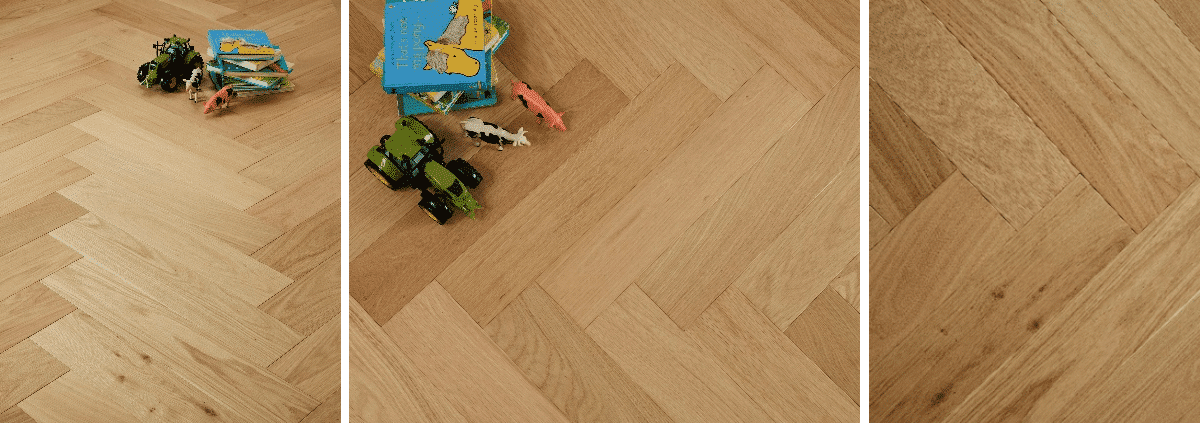
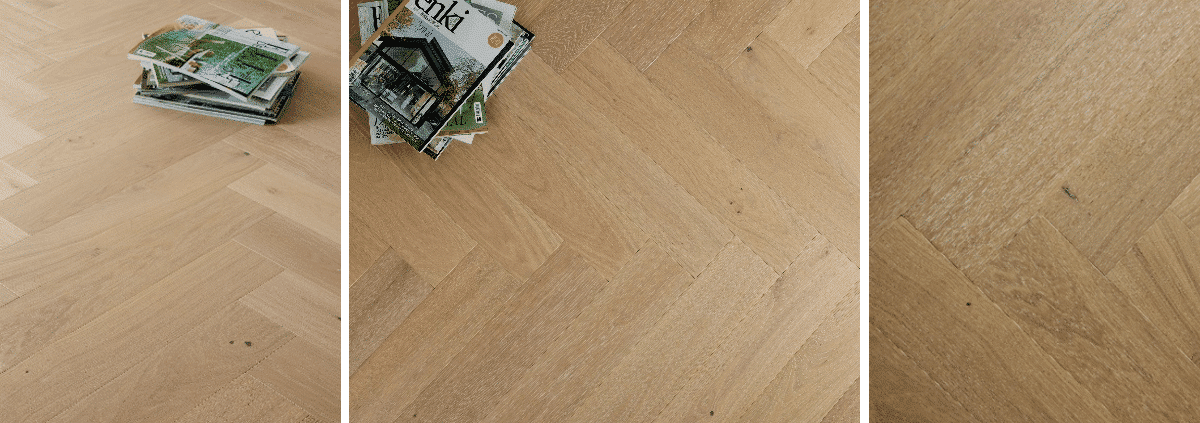
In areas like London, Surrey, Sussex, and of course Kent, our team at Nationwide Hardwood Flooring Company specializes in effective restoration techniques. We combine our expertise with high-quality materials including herringbone flooring options to ensure your floors are rejuvenated and look stunning.
Common Mistakes to Avoid
When learning how to restore solid wood floors effectively, it’s important to be aware of common mistakes that homeowners often make:
- Skipping the sanding step—this leads to uneven finishes.
- Not allowing adequate drying time between steps.
- Using the wrong type of cleaner on finished wood.
- Choosing to apply too many coats of finish, leading to a sticky surface.
When to Seek Professional Help
While DIY restoration can be rewarding, there are times when it’s best to consult professionals. If your floors have severe or extensive damage, such as deep gouges or water damage, it may require specialized equipment and knowledge. Our flooring contractors in Kent are always on hand to provide expert advice and assistance.
Conclusion
Restoring solid wood floors effectively can breathe new life into your home. Remember to assess, gather supplies, sand, clean, and finish properly. With our guide, not only will your floors look beautiful, but you will also enhance the overall value of your property. If you’re in Kent, London, or surrounding areas, don’t hesitate to contact Nationwide Hardwood Flooring Company for professional assistance and quality service. Call us at 07940 528 315 or email enquiries@nhfcompany.co.uk.