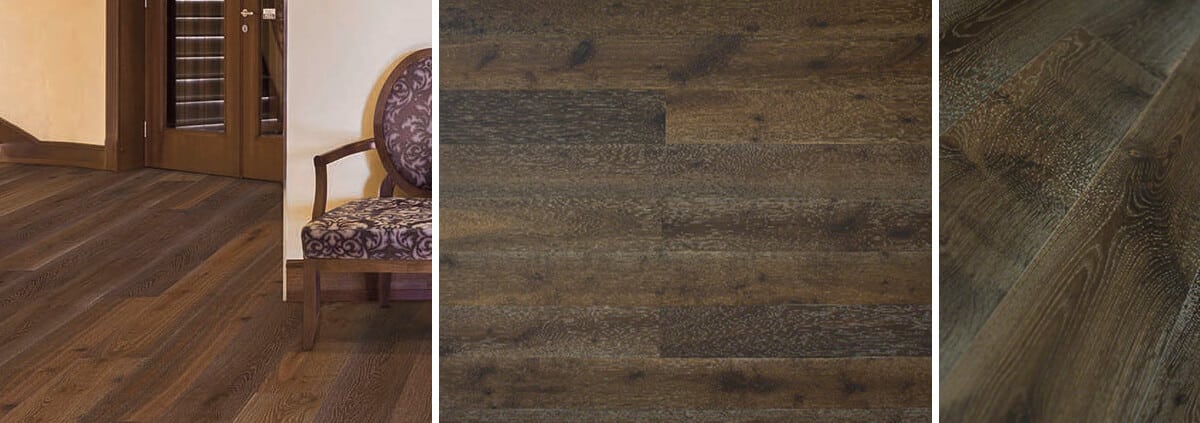

Best UK Floor Restoration Techniques: 7 Expert Tips
Discover the Best UK Floor Restoration Techniques
When it comes to enhancing the longevity and beauty of your hardwood flooring, mastering the best UK floor restoration techniques is essential. At Nationwide Hardwood Flooring Company, we specialize in premium wood flooring solutions across the UK, including London, Surrey, and Kent. This guide will explore effective floor restoration methods to breathe new life into your wooden floors and keep them looking stunning for years to come.
Why Restoration Matters
Wood flooring is not just an aesthetic choice; it’s an investment. Over time, even the finest hardwood floors can show signs of wear and tear, from scratches to dullness. Engaging in regular maintenance and employing effective restoration techniques can significantly enhance the appearance and durability of your floors. According to Which?, maintaining hardwood floors can save money in the long run by prolonging their life.
Understanding Your Flooring Types
Before delving into the restoration process, it’s crucial to understand the type of flooring you have:
- Solid Wood Flooring: Made from single planks of hardwood, they can be sanded and refinished multiple times.
- Engineered Wood Flooring: Comprising layers, they can also be sanded and refinished, though fewer times compared to solid wood. Consider our Balmoral Engineered Flooring for quality options.
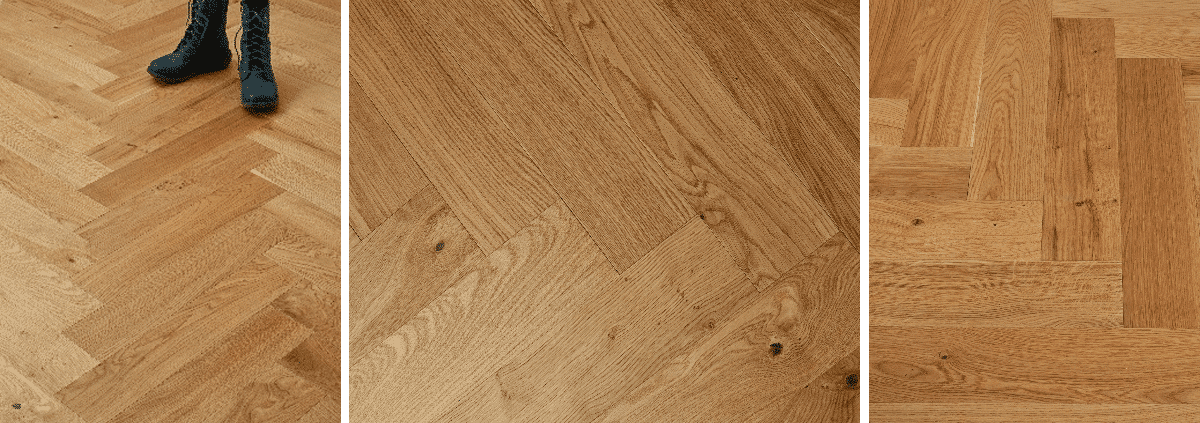
- Herringbone and Chevron Flooring: These styles require specialized attention during restoration to maintain their unique patterns.
Best UK Floor Restoration Techniques
1. Deep Cleaning
Start with a thorough deep cleaning of your wooden floors using an appropriate pH-neutral cleaner. This step removes dirt and grime that might hinder the restoration process. The Bona website offers excellent cleaning solutions for hardwood floors.
2. Sanding
Sanding is one of the most effective procedures to restore your wood floors. Fine sandpaper can eliminate scratches and blemishes, revealing a fresh, new surface beneath. It’s advisable to hire a professional for this task to ensure even sanding and no risk of damage. Our expert floor contractors can assist with this process.
3. Application of Stain
If your wood floors lose their color, consider applying a stain after sanding. This step allows you to change or refresh the color while providing a protective layer for the wood.
4. Sealing
The next restoration technique is sealing your floors. A quality sealant will protect the wood from moisture and dirt, making them easier to maintain in the long run. Options include oil-based or water-based polyurethane seals, depending on your preferred finish and durability. Refer to Historic Houses for insights into durable wood flooring finishes.
5. Refinishing
Refinishing goes hand-in-hand with sanding. This step involves applying a new protective layer, enhancing its durability while refreshing its appearance with a new coat of finish.
6. Repairing Damaged Sections
In cases where sections of flooring are beyond basic restoration (e.g., severe scratches or dents), consider replacing damaged boards. For engineered wood, replacing individual boards might be a simpler solution than for solid wood.
7. Regular Maintenance
Prevention is better than cure. Regular maintenance, including sweeping or vacuuming and using wood floor cleaners, will prevent dirt buildup and preserve your floor’s appearance over time. The Ideal Home website provides additional tips for maintaining wooden floors.
Choosing the Right Professionals for Floor Restoration
While DIY tips can guide you, the expertise of professionals can significantly enhance the outcome. Choosing skilled floor contractors or flooring fitters ensures that every restoration step is executed correctly, safeguarding your investment in your floors. Call us at 07940 528 315 to consult with our experts!
Local Spotlights: Kent and Surroundings
Here in Kent, we are surrounded by beauty that inspires flooring choices:
- Bluewater Shopping Centre: Set an example of how elegant flooring can enhance home and business environments.
- Canterbury Cathedral: A historic site where real wood flooring adds prestige and character.
- Leeds Castle: Showcases stunning wood floors that echo the elegance of historic architecture.
Frequently Asked Questions
What is the cost of restoring hardwood floors?
The cost of restoration varies based on the size of the area, the type of finish you desire, and the condition of the floors. Typically, costs can range from £20 to £40 per square meter, including sanding, refinishing, and sealing.
How often should I restore my hardwood floors?
For high-traffic areas, a full restoration may be needed every 3-5 years, while less-used spaces may only need it once a decade.
Can I maintain engineered wood flooring in the same way as solid wood?
Not entirely. Although they can be sanded and restored, engineered floors have limitations based on their wear layer, so consult a professional before undertaking restoration.
Conclusion
Embracing the best UK floor restoration techniques ensures your wood floors remain not just functional, but beautiful. For personalized service that aligns with your needs and preferences, reach out to Nationwide Hardwood Flooring Company today!