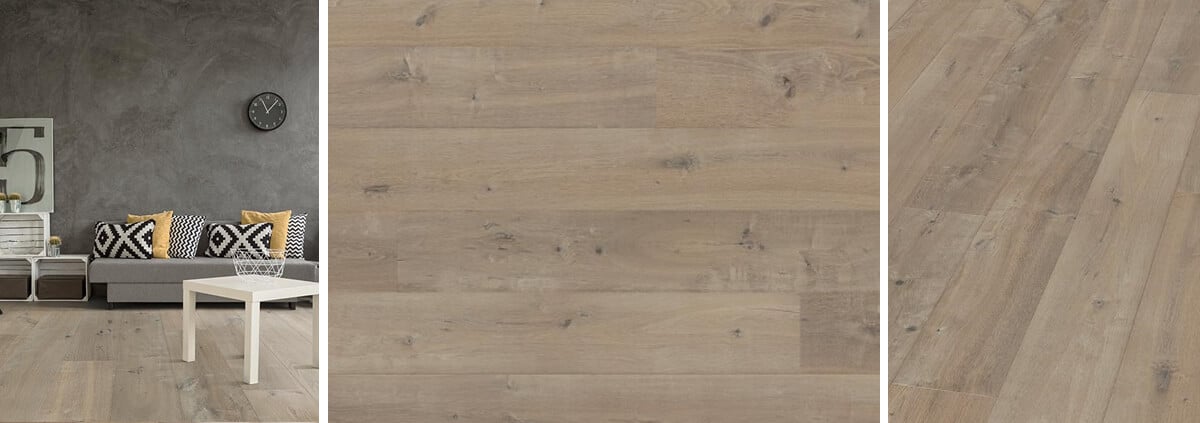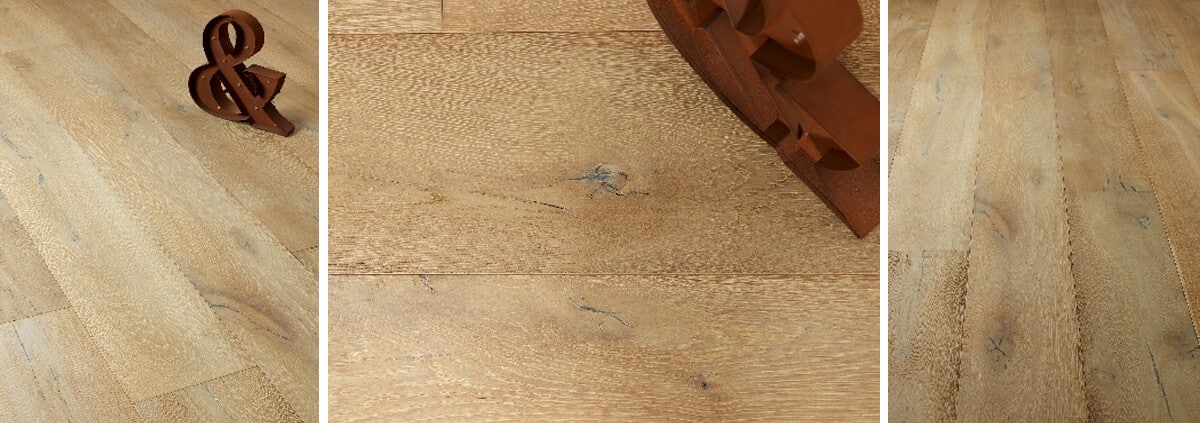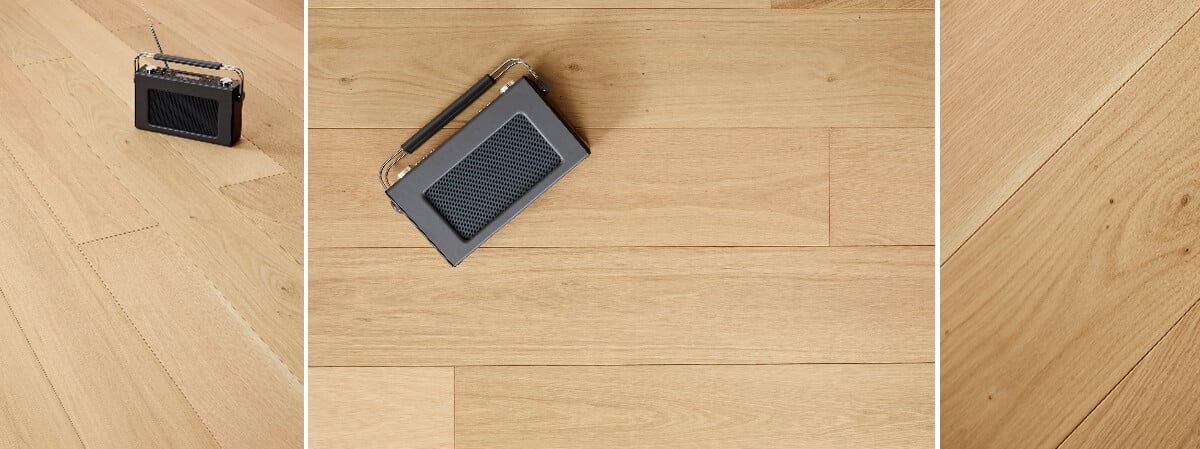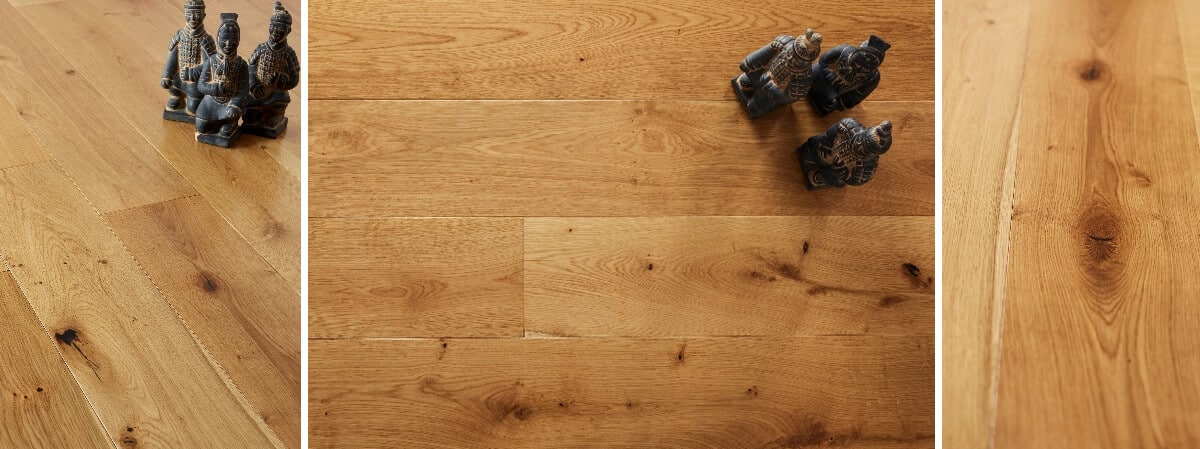

Engineered vs Solid Wood Flooring Installation Benefits
Engineered vs Solid Wood Flooring Installation
When it comes to choosing the perfect flooring for your home, two popular options come to mind: engineered wood flooring and solid wood flooring. Both have unique benefits and features, making them suitable for different environments and preferences. Understanding the differences between engineered vs solid wood flooring installation can help you make a well-informed choice that meets your style, budget, and functional needs.
Understanding the Basics of Engineered Wood Flooring
Engineered wood flooring consists of multiple layers, typically featuring a thin top layer of real hardwood veneer over layers of high-quality plywood or HDF (high-density fiberboard). This construction allows engineered wood to withstand fluctuations in humidity and temperature better than solid wood. It is available in various styles, colors, and finishes, making it a versatile choice for numerous applications.
What is Solid Wood Flooring?
Solid wood flooring, as the name suggests, is made from a single piece of timber. It offers timeless appeal and exceptional durability. Solid wood is often preferred for its authenticity, as it can be sanded and refinished multiple times throughout its life. However, it is more susceptible to changes in moisture, which can lead to warping or gapping.
Key Differences: Engineered vs Solid Wood Flooring Installation
Here are the main differences to consider when deciding between engineered vs solid wood flooring installation:
- Moisture Resistance: Engineered wood’s layered construction makes it more resistant to moisture and humidity, which is ideal for areas such as kitchens and basements. Solid wood, on the other hand, may swell or shrink in such environments.
- Installation Methods: Engineered wood can be installed using various methods, including glue, nail-down, or floating. Solid wood is typically nailed down, requiring a more time-consuming and labor-intensive process.
- Cost: Generally, engineered wood tends to be more affordable than solid wood, making it a popular choice for budget-conscious homeowners.
- Longevity: Solid wood can last for decades and can be refinished many times, while engineered wood has a limited number of refinishing options based on the thickness of the top veneer layer.
- Aesthetic Appeal: Both options offer beautiful appearances, but solid wood provides a sense of authenticity and warmth due to its natural grain.
Installation Process for Engineered vs Solid Wood Flooring
Installing engineered and solid wood flooring requires proper preparation and technique. Here’s a brief overview of the installation process for each:
Engineered Wood Flooring Installation
- Preparation: Ensure the subfloor is clean, dry, and level. Acclimatize the engineered wood planks in the room where they will be installed for at least 48 hours to adjust to the environment.
- Layout: Plan the layout of the planks to enhance the appearance of the room. Consider the direction of the natural light and how the floorboards will interact with walls and furniture.
- Installation: Depending on the chosen method, either glue, nail down, or lay the planks in a floating manner, ensuring a tight fit between planks.
- Finishing Touches: Install baseboards and transition strips as needed to cover gaps and create a clean finish.
Solid Wood Flooring Installation
- Preparation: Similar to engineered wood, make sure the subfloor is suitable. Acclimatize the solid wood planks for a few days.
- Layout: Plan the flooring layout considering aesthetics and functionality, taking into account the installation direction.
- Installation: Nail down the planks into the subfloor at regular intervals for a secure fit.
- Finishing Touches: Complete the installation with trim and molding to ensure a beautiful finish.
The Cost Factor in Engineered vs Solid Wood Flooring Installation
Understanding the costs involved in engineered vs solid wood flooring installation is crucial for budgeting your project. Below is a breakdown of average costs associated with each option:
- Engineered Wood Flooring: Expect to pay between £20 to £70 per square meter for both materials and installation, depending on the quality and complexity of the design.
- Solid Wood Flooring: Costs typically range from £30 to £100 per square meter, taking into account the wood species and installation method.
Keep in mind that additional costs may arise from underlayment, trimming, or disposal of old flooring materials.
How to Choose the Right Flooring Type for Your Home
When deciding between engineered and solid wood flooring, consider the following:
- Room Type: For moisture-prone areas like bathrooms and kitchens, engineered wood is recommended. Solid wood is ideal for living areas and bedrooms.
- Budget: Determine how much you are willing to spend on initial installation and long-term maintenance.
- Aesthetics: Think about the look and feel you desire for your home. Both options can provide stunning results, but they have different vibes.
- Longevity: If you plan on staying in your home long-term, consider solid wood for its durability and refinishing capabilities.
Local Considerations for Flooring in Kent
As you contemplate the right choice for your home, local climate and environment can play a significant role in your decision between engineered vs solid wood flooring installation. Here in Kent, where we experience the UK’s charming seasonal changes, engineered flooring can be advantageous due to its dimension stability. For instance, the scenic beauty of towns like Sevenoaks and Dover showcases a mix of traditional and contemporary styles, which can be complemented beautifully by the right choice of flooring. Explore our herringbone multi-ply options for a unique aesthetic. For reliable insights on wood flooring, consult Wood Floors to learn more about maintenance and benefits.
Final Thoughts on Engineered vs Solid Wood Flooring Installation
In conclusion, both engineered and solid wood flooring have their unique advantages and can enhance any home. Your choice should depend on various factors, including the area of installation, budget, aesthetics, and personal preference. Consulting with a flooring expert can also provide you with tailored insights based on your specific needs.
If you’re in search of a reliable flooring contractor who can assist you with engineered vs solid wood flooring installation in Kent and beyond, consider contacting the Nationwide Hardwood Flooring Company at 07940 528 315 or via email at enquiries@nhfcompany.co.uk. We are here to help you choose the best flooring solution suited to your home and lifestyle.