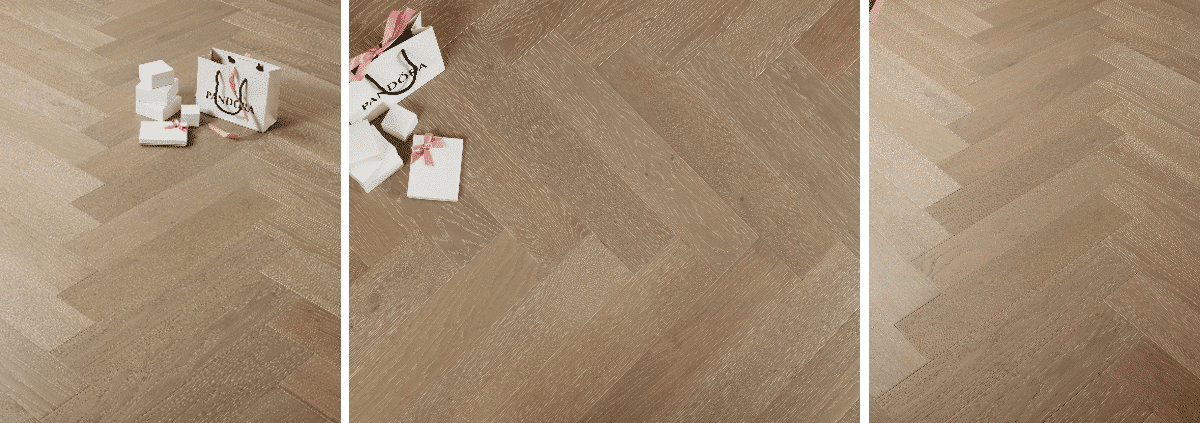

Floor Sanding Techniques for Engineered Wood Floors: 5 Tips
Floor Sanding Techniques for Engineered Wood Floors
When it comes to maintaining the beauty and longevity of your engineered wood floors, mastering the right floor sanding techniques for engineered wood floors is essential. These treatments not only enhance the aesthetic appeal of your flooring but also can extend its lifespan significantly. Whether you are located in London, Kent, Surrey, or any other part of the UK, understanding the best practices is key to achieving results that shine.
Understanding Engineered Wood Floors
Engineered wood flooring consists of multiple layers of wood that are bonded together, making it more stable and resistant to temperature and humidity changes than solid hardwood. This versatility makes engineered wood floors a popular choice in both residential and commercial spaces. However, this unique construction also requires specific sanding techniques to avoid damaging the surface.
Importance of Floor Sanding for Engineered Wood Floors
Sanding engineered wood floors is crucial for several reasons:
- Restores Appearance: Over time, your floors may develop scratches and dullness. Sanding can rejuvenate their appearance.
- Enhances Durability: Proper sanding prepares the surface for refinishing, enhancing durability against wear.
- Easy Maintenance: Regular sanding can make your floors easier to clean and maintain.
Essential Floor Sanding Techniques for Engineered Wood Floors
To ensure the best results, follow these essential floor sanding techniques for engineered wood floors:
1. Choose the Right Equipment
Using the right tools is the first step in effective sanding. For engineered wood floors, a drum sander or an orbital sander is often recommended. Drum sanders can remove more material but require more skill to operate effectively. In contrast, orbital sanders are easier to handle and less likely to damage the wood. Consider consulting our wooden floor installation guide for more tips.
2. Select the Appropriate Grit Sandpaper
Starting with the correct grit sandpaper is crucial. Begin with a coarser grit (such as 36 or 60) to remove any existing finish or damage, and then progress to finer grits (such as 80 and 120) for smoothing the surface. Always sand in the direction of the wood grain to minimize scratches.
3. Prepare the Floor
Before you start sanding, it’s essential to prepare your floor:
- Clear the Area: Remove all furniture and other items from the floor.
- Inspect and Repair: Check for loose boards or damage. Make necessary repairs before sanding.
- Clean Thoroughly: Sweep and vacuum the area to remove any debris that might scratch the floor.
4. Sanding Process
Once the preparations are complete, you can begin the sanding process:
- Begin with the Coarsest Grit: Sand the entire floor, moving methodically across the surface.
- Change to Finer Grains: After completing the coarse sanding, switch to finer grits and repeat the sanding process to achieve a smooth finish.
- Edge Sanding: Use an edge sander or hand sander for corners and along walls where the drum or orbital sander may not fit.
5. Finish with Quality Sealing
After sanding, it’s vital to finish with a high-quality sealant to protect your floor and enhance its appearance:
- Choose the Right Finish: Decide between oil-based or water-based finishes depending on your preference for drying time and durability.
- Apply Evenly: Using a roller or brush, apply an even coat of finish across the entire surface. Consider applying two or three coats for optimal results.
Local Hotspots and Interesting Facts about Kent
Being based in Kent, we love to highlight our local community. Kent is known for its charming coastal towns and beautiful countryside:
- Historic Canterbury: Famous for its stunning cathedral and vibrant shopping scene. Learn more about this beautiful city at Visit London.
- Whitstable: Known for its beautiful beaches and fresh oysters, making it a great spot for dining after a day of home renovations.
- Dover Castle: A historical fortress offering breathtaking views and a glimpse into the past. For more historical insights, check Historic England.
Conclusion
Mastering floor sanding techniques for engineered wood floors is a valuable skill that can enhance the appeal and durability of your floors. Whether you are planning to take on the project yourself or hire professionals, understanding these techniques will help you achieve the best results. For those in Kent and surrounding areas, reach out to the Nationwide Hardwood Flooring Company for expert advice and services on engineered flooring options. Give us a call at 07940 528 315 or email us at enquiries@nhfcompany.co.uk. Let us help you bring back the glory of your engineered wood flooring!