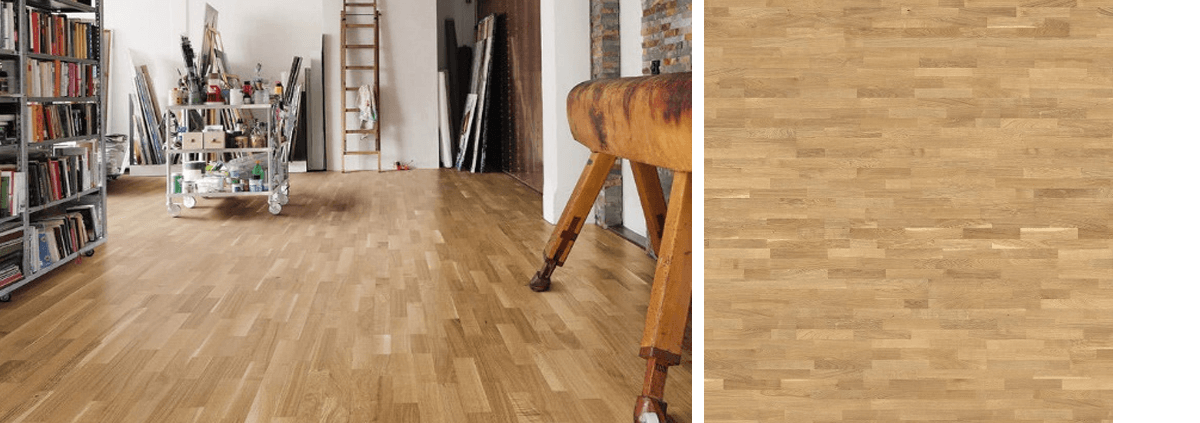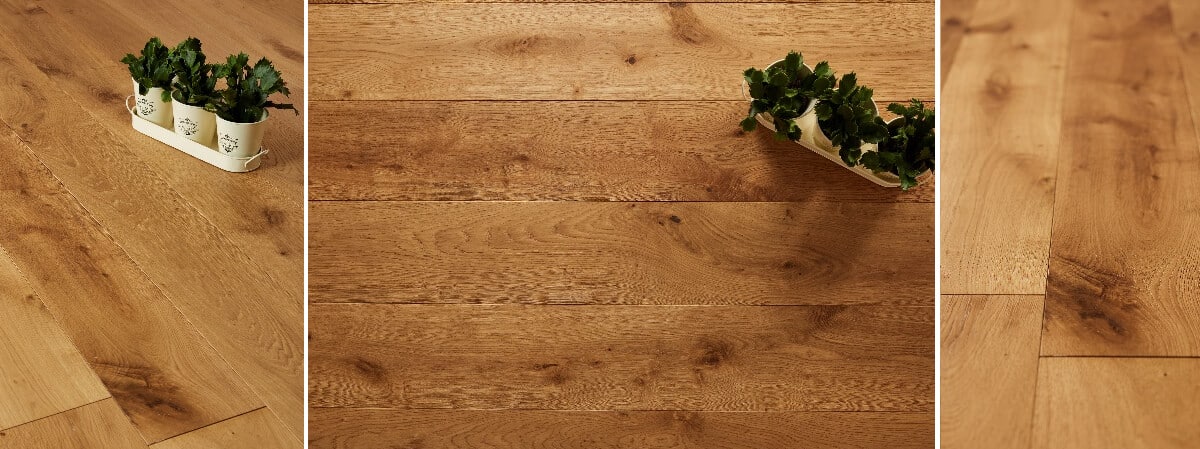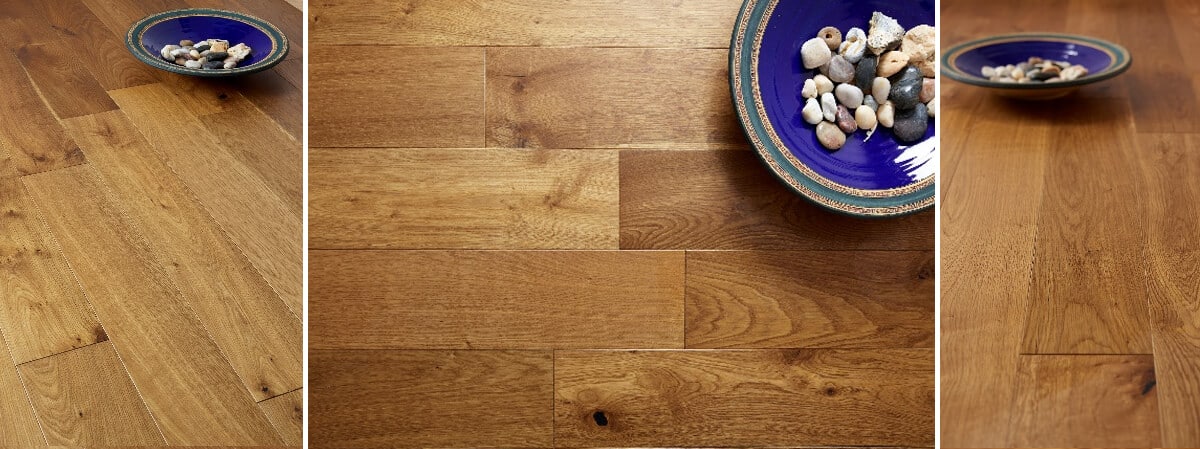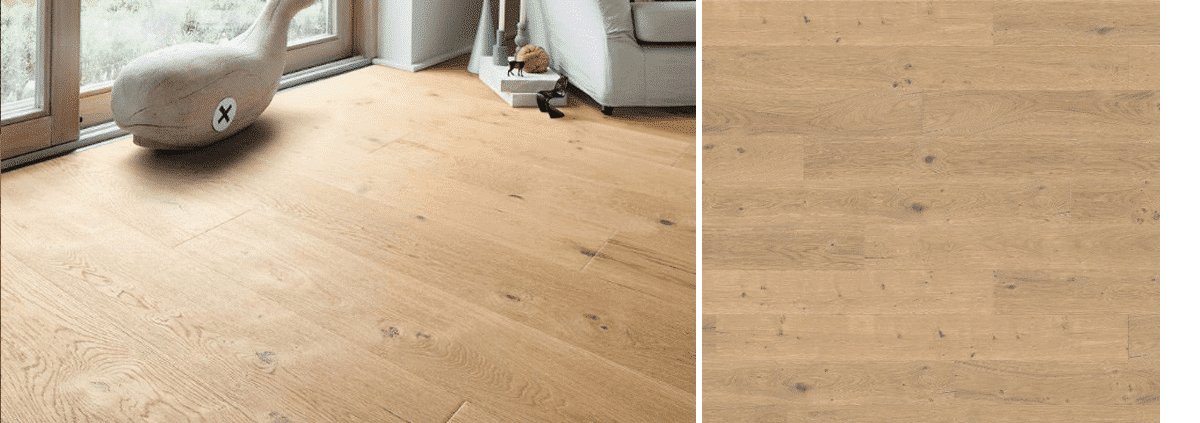

Floor Sanding Techniques for Solid Wood Floors: 5 Key Tips
Expert Floor Sanding Techniques for Solid Wood Floors
Solid wood floors add timeless elegance and warmth to any space. However, over time, even the finest wooden floors can show signs of wear and tear. This is where floor sanding techniques become essential. In this article, we will explore effective floor sanding techniques for solid wood floors, helping you restore their original beauty and enhance their longevity.
Understanding Floor Sanding
Floor sanding involves removing the top layer of a wooden floor using abrasive materials. It helps eliminate scratches, dents, and surface imperfections while also preparing the floor for finishing. Proper floor sanding techniques can drastically improve the aesthetic appeal of your solid wood floors. For industry best practices, you can refer to the Contract Flooring Association.
The Importance of Choosing the Right Equipment
When it comes to floor sanding, the equipment you use plays a pivotal role in achieving a flawless finish. Here are some essential tools:
- Belt Sander: A powerful tool ideal for large areas, perfect for removing old finishes.
- Orbital Sander: Best for corners and edges, offering a smoother finish.
- Edge Sander: Specifically designed to sand the edges of the floor where larger sanders cannot reach.
- Sanding Discs and Belts: Various grits are necessary for different stages of sanding.
Step-by-Step Floor Sanding Techniques for Solid Wood Floors
1. Preparing the Area
Before you begin sanding, ensure the area is clean and clear. Move furniture and cover vents to prevent dust from circulating. Lay down protective sheeting to catch dust and debris.
2. Choosing the Right Grit
Start with a coarse grit (such as 36 or 40) to remove the old finish and surface damage. Gradually progress to finer grits (60, 80, and then 120). Each stage is crucial for a smooth finish.
3. Sanding Techniques
Utilize the appropriate sanding techniques for the best results:
- Go with the Grain: Always sand in the direction of the wood grain to prevent scratches.
- Stable Pressure: Apply even pressure on the sander to avoid uneven surfaces.
- Multiple Passes: Make several passes without pushing too hard to ensure even sanding.
4. Edge Sanding
Use an edge sander for corners and areas the larger sander couldn’t reach. This ensures a seamless finish between the edges and the main floor area.
5. Vacuuming and Cleaning Up
After sanding, thoroughly vacuum the area to remove dust and particles. This step is vital for preparing the floor for finishing.
Finishing Your Solid Wood Floors
Once sanding is complete, it’s time to apply your chosen finish. This could be a varnish, oil, or wax, depending on the look you want to achieve. Each finish offers varying levels of protection and aesthetics, so choose one that suits your taste and lifestyle. For various flooring options, check out our Balmoral engineered flooring or explore the beautiful patterns with our herringbone solid flooring.
Regular Maintenance
To keep your newly sanded wood floors looking pristine, regular maintenance is essential. Simple practices such as cleaning regularly and addressing spills promptly can prolong the life of your flooring. For more tips on maintaining wood floors, consult the National Wood Flooring Association.
Professional Floor Sanding Services
For many homeowners, DIY floor sanding can be daunting. Hiring professional services like the Nationwide Hardwood Flooring Company ensures that the job is done correctly and efficiently. Our skilled team uses advanced equipment and techniques to revitalize your solid wood floors, allowing you to enjoy their beauty for years to come. To learn more about our wooden floor installation services, visit our website.
Conclusion
Employing effective floor sanding techniques for solid wood floors can significantly enhance their appearance and durability. Whether you opt to sand your floors yourself or hire a professional, understanding the process is key to achieving stunning results. For expert assistance in Kent and surrounding areas, don’t hesitate to contact us at 07940 528 315 or email enquiries@nhfcompany.co.uk.