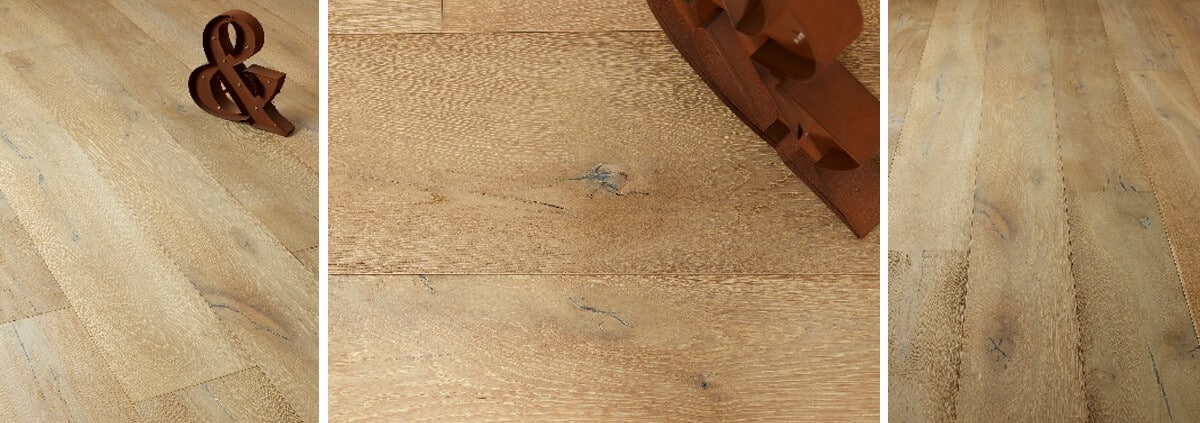

engineered wood flooring: 7 smart picks for UK homes
Why Choose Engineered Wood Flooring in the UK
Engineered wood flooring consists of multiple layers of wood arranged in a cross-ply pattern. The top veneer provides the look of real wood, while the core layers improve stability and resilience to humidity and temperature changes. In the UK climate, engineered wood flooring resists cupping and expansion better than solid wood, while still delivering authentic oak, hickory, or walnut aesthetics. For additional options, explore our Balmoral engineered flooring and Timbertop engineered flooring collections. For more information on the science behind engineered wood, visit the Forest Research website, which provides authoritative insights into wood technology and performance.
Key Benefits of Engineered Wood Flooring
- Stability in varying humidity: Excellent for kitchens, living areas, and spaces with temperature fluctuations. Learn more about humidity control in homes from the UK government’s energy efficiency guide.
- Eco-friendly construction: Uses less hardwood per square meter while delivering the look of solid wood. For details on sustainable wood sourcing, see the Forest Stewardship Council (FSC).
- Wide range of finishes: From classic oak to exotic veneers, including herringbone and chevron patterns. Our herringbone options include Eastbury, Chatsworth, Hardwick, and Apsley multi-ply ranges.
- Easy installation: Compatible with glue-down, click-lock, and loose-lay methods depending on site requirements. Installation best practices are outlined by the National Federation of Builders.
- Remodel-friendly: Refinished surface can extend floor life without full replacement. For more on floor maintenance, see the Which? guide to wooden floors.
Engineered Wood Flooring vs Solid Wood
Engineered wood flooring provides similar surface characteristics to solid wood but with greater stability. The top veneer maintains the appearance of traditional solid wood, while the core layers guard against warping. For moisture-prone areas or high-traffic spaces, engineered floors can be a superior choice, particularly in rental or commercial settings where longevity and maintenance are priorities. Explore our Witley and Burghley patterns for additional style options. For a detailed comparison, refer to the BBC’s guide to wood flooring types.
Patterns and Finishes: From Classic to Luxury
Engineered wood flooring supports more than straight planks. Our range includes luxurious patterns such as engineered herringbone, herringbone oak flooring, and chevron flooring. These patterns add depth and visual interest to living rooms, hallways, and retail spaces. Choose a high-quality UV-cured finish for enhanced wear resistance and an extended lifespan. View our Alnwick and Witley options to see finishes up close. For design inspiration, explore the Architectural Digest guide to wood flooring trends.
Local Insights: Flooring in the UK
Flooring preferences in the UK vary by region. London often seeks premium finishes and quick installation, while the Midlands and Northern towns emphasize durability and cost efficiency. Nationwide Hardwood Flooring Company serves local hotspots with fast lead times and reliable service. Our team can recommend installation strategies for high-traffic commercial spaces near you and provide aftercare guidance tailored to UK living rooms and kitchens. For ongoing inspiration, visit our blog. For regional building standards, refer to the Planning Portal.
Nearby Localities and Hotspots
- London: High-footfall shopping streets and modern offices demand durable, stylish engineered floors with minimal downtime.
- Birmingham: Large residential developments and retail centers require reliable installers who can handle complex layouts.
- Manchester: A mix of historic homes and new builds benefits from engineered floors that resist seasonal movement.
- Leeds and Liverpool: Regional hubs where water resistance and easy maintenance matter for kitchen and living areas.
Choosing the Right Engineered Wood Flooring
Selecting thickness, veneer species, finish, and installation method is essential. For busy households, a thicker veneer (0.6 mm or more) provides more refinishing options. Oak remains a popular choice for its timeless appeal and compatibility with UK interior design trends. Finishes such as matte, satin, or brushed textures influence how light interacts with the floor and the room’s ambiance. Consider exploring our Barn multi-ply and Loch Tummel ranges for distinctive looks. For more on choosing the right flooring, see the Consumer UK guide to wooden floors.
Installation Considerations and Costs
Floor installation costs vary based on substrate, room size, and chosen method. Our experienced installers assess subfloor suitability, moisture levels, and expansion gaps to ensure a precise fit. Typical installation options include glue-down, click-lock, or floating installation. In kitchens and bathrooms, consider water resistance, click-lock systems, and appropriate underlayment to improve comfort and sound insulation. Learn more about installation approaches in our installation guide. For technical standards, refer to the National Federation of Builders.
Care and Maintenance for Engineered Wood Floors
Regular cleaning with a soft broom or vacuum designed for hard surfaces helps prevent wear. Damp-mop with a cleaner formulated for engineered wood and avoid excessive moisture. In high-traffic areas, use area rugs and furniture pads. Refinishing depends on veneer thickness and manufacturer recommendations; many engineered floors can be refreshed without full replacement, extending the life of your investment. For best practices, consult the Which? guide to wooden floors.
Where to Buy: Trusted Flooring Shops and Stores
Nationwide Hardwood Flooring Company operates as a premier flooring shop in the UK, offering engineered wood flooring options including oak and herringbone engineered flooring. We collaborate with reliable suppliers to ensure consistent quality and competitive pricing. Visit our showroom or request samples to compare finishes and edge profiles before deciding. For broader inspiration, visit our blog and our main site. For independent reviews, see the Trustpilot page for Nationwide Hardwood Flooring Company.
Understanding Sustainability and Quality
Engineered wood flooring often uses responsibly sourced veneers and durable core layers. Look for FSC or PEFC certifications to ensure sustainable practices. Quality construction involves stable core boards, precise tongue-and-groove joints, and a top veneer that can withstand refinishing. Our team can guide you to options that balance beauty, performance, and environmental stewardship. Explore our The Primes line for premium sustainability-focused choices. For more on sustainable wood, visit the Forest Stewardship Council (FSC) and Programme for the Endorsement of Forest Certification (PEFC).
Case Study-Free Approach: What to Expect from a Local Installer
We avoid fictitious case studies and provide practical guidance. A typical project with Nationwide Hardwood Flooring Company includes an initial consultation, accurate measurements, subfloor inspection, product selection with samples, scheduled installation, and post-installation care instructions. We prioritize minimal disruption and timely completion for both residential and commercial spaces. See our our work page for real examples. For industry standards, refer to the National Federation of Builders.
FAQs About Engineered Wood Flooring
- How long does engineered wood flooring last? Durability depends on veneer thickness, wear layer, and maintenance; select higher wear layers for longer life.
- Can engineered wood flooring be refinished? Some products can be refinished, depending on veneer thickness and manufacturer guidelines.
- Is engineered wood flooring waterproof? It offers better moisture resistance than solid wood but is not fully waterproof; use appropriate underlayment and care in moisture-prone areas.
- What installation methods are available? Common methods include glue-down, click-lock, and floating installations depending on product specifications.
- How do I maintain engineered wood floors in a UK climate? Regular cleaning, avoiding excessive water, and using protective pads extend floor life.
Contact Us for Your Engineered Wood Flooring Needs
Ready to upgrade with engineered wood flooring? Contact Nationwide Hardwood Flooring Company at 07940 528 315 or enquiries@nhfcompany.co.uk. Our team provides expert guidance, local insights, and tailored quotes across the UK, ensuring you get the best value for your project.
Closing Thoughts
Engineered wood flooring represents a practical, stylish, and durable choice for modern interiors. With a broad selection of finishes, patterns like engineered herringbone and herringbone oak flooring, and the support of a trusted UK flooring partner, you can achieve a timeless aesthetic that performs under real-world conditions. Nationwide Hardwood Flooring Company is committed to helping you choose, install, and maintain engineered wood flooring that meets your budget and lifestyle needs.