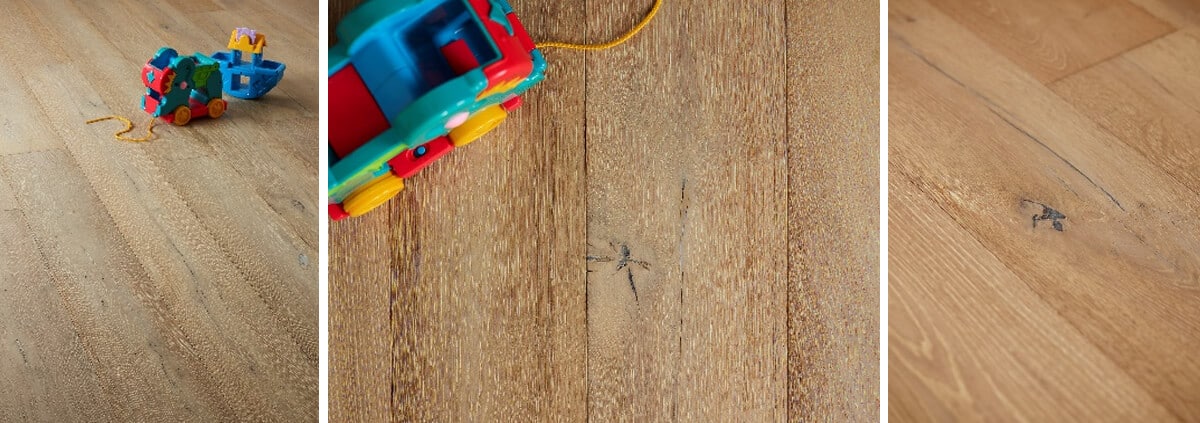

How Multi-ply Flooring is Made: Discover the Process
Understanding How Multi-ply Flooring is Made
For those considering their flooring options, multi-ply flooring offers a robust, durable, and visually appealing choice. At Nationwide Hardwood Flooring Company, we often encounter customers who are unfamiliar with what makes multi-ply flooring such an attractive option. In this comprehensive guide, we’ll explore the intricate process of how multi-ply flooring is made and why it has become a favorite among modern homes and commercial spaces.
An Introduction to Multi-ply Flooring
Multi-ply flooring, also known as engineered wood flooring, is composed of multiple layers of wood stacked and glued together. Unlike solid wood flooring, which consists entirely of one piece of hardwood, multi-ply flooring offers greater stability and resistance to moisture and temperature changes. Learn more about engineered wood flooring as an example of such resilient flooring options.
The Manufacturing Process
1. Selection of Raw Materials
The journey of multi-ply flooring begins with the careful selection of quality timber. Common wood species used in the top layer include oak, walnut, and ash, known for their durability and aesthetic appeal. For those interested in sustainability, sustainable forestry practices ensure responsible sourcing of these materials.
2. Creating the Core Layers
The core of multi-ply flooring consists of multiple layers of plywood or high-density fiberboard (HDF). These layers are crucial because they provide the stability that prevents the flooring from warping or bowing.
3. Assembly and Bonding
Once the layers have been prepared, they are bonded together under high pressure. This is where the ‘multi-ply’ name comes into play, as often 5 to 12 layers of wood are used to create the ideal stability and resilience. To understand more about how this process enhances durability, visit engineered hardwood floor benefits.
4. Curing and Finishing
After bonding, the planks undergo a curing process. The flooring is then sanded and finished to ensure a smooth surface. Different types of finishes can be applied, such as UV-cured lacquer or oil-based finishes, which not only enhance the appearance but also add a protective layer. Explore the best hardwood floor finishes for more insights.
5. Quality Inspection
Quality control is integral to ensuring that each piece of multi-ply flooring meets industry standards. This step involves thorough checks to assess the finish, stability, and thickness of the boards.
The Advantages of Multi-ply Flooring
- Stability: The structure of multi-ply flooring minimizes risks of expansion and contraction caused by humidity and temperature changes.
- Versatility: It can be installed over concrete, with underfloor heating, or in a wide range of environments. For additional practical advice on installation, read about versatile flooring solutions.
- Eco-friendly: Uses less of the valuable hardwood for the top layer, conserving resources.
Choosing the Right Multi-ply Flooring
When selecting multi-ply flooring, consider the different species available, the finish, and the plank size. Each factor can significantly impact the aesthetic of your space and its suitability to a particular environment. Options like our Witley multi-ply flooring provide excellent versatility and style choice.
Conclusion: A Versatile Flooring Solution
With its exceptional durability and visual appeal, it’s no wonder that multi-ply flooring is a leading choice for both home and business owners. At Nationwide Hardwood Flooring Company, we offer a wide selection of high-quality multi-ply flooring options to suit any style and budget. Whether it’s the classic Loch Rannoch multi-ply flooring or any other type, we have what you need.
For a personalized consultation regarding multi-ply flooring and more, feel free to contact us at enquiries@nhfcompany.co.uk or call us at 07940 528 315.