
How to Estimate Engineered Flooring Installation Costs: 7 Tips
How to Estimate Engineered Flooring Installation Costs
Are you considering upgrading your space with engineered flooring? Engineered flooring offers a combination of durability, beauty, and affordability, making it an excellent choice for homeowners and business owners across the UK. However, understanding how to estimate engineered flooring installation costs can help you plan your budget effectively and ensure the best value for your investment.
Understanding Engineered Flooring
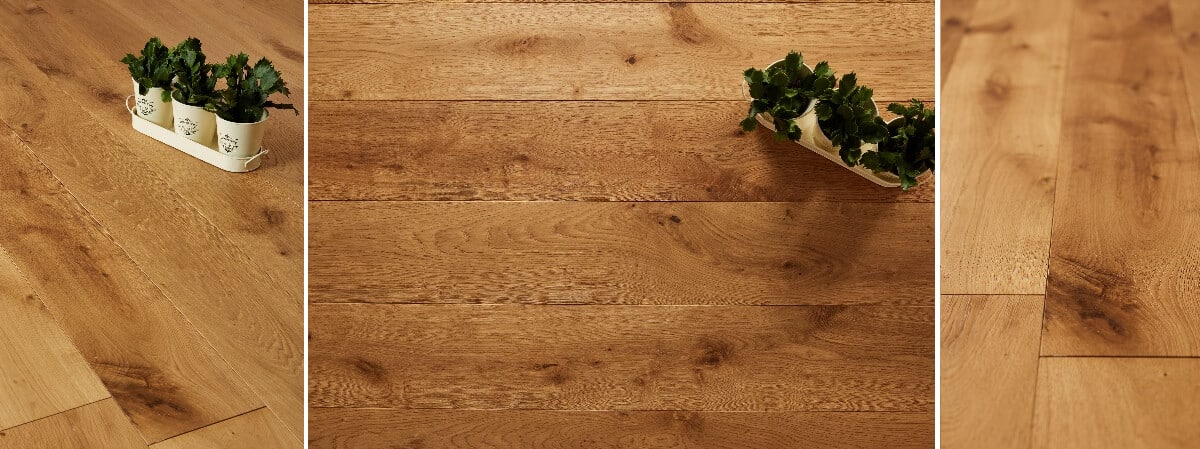
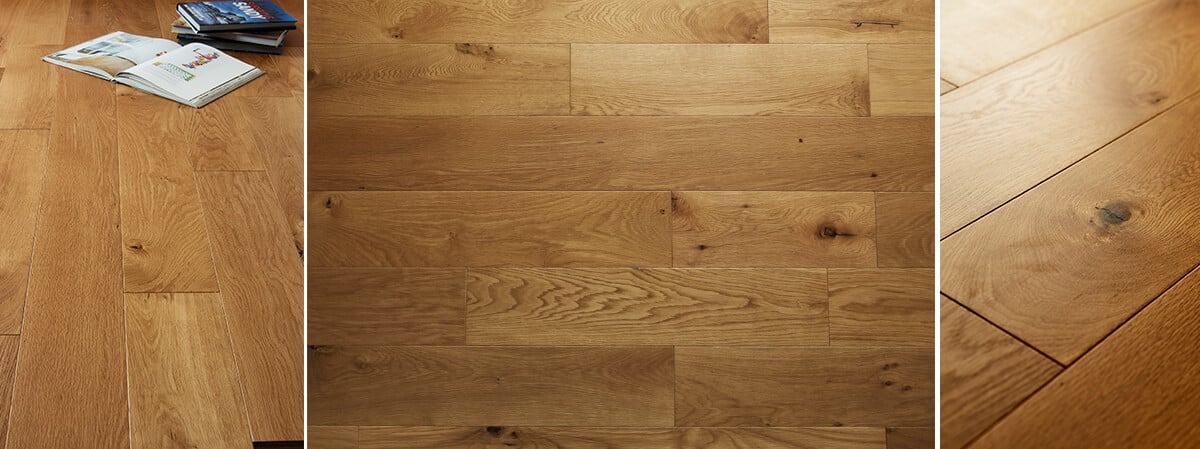
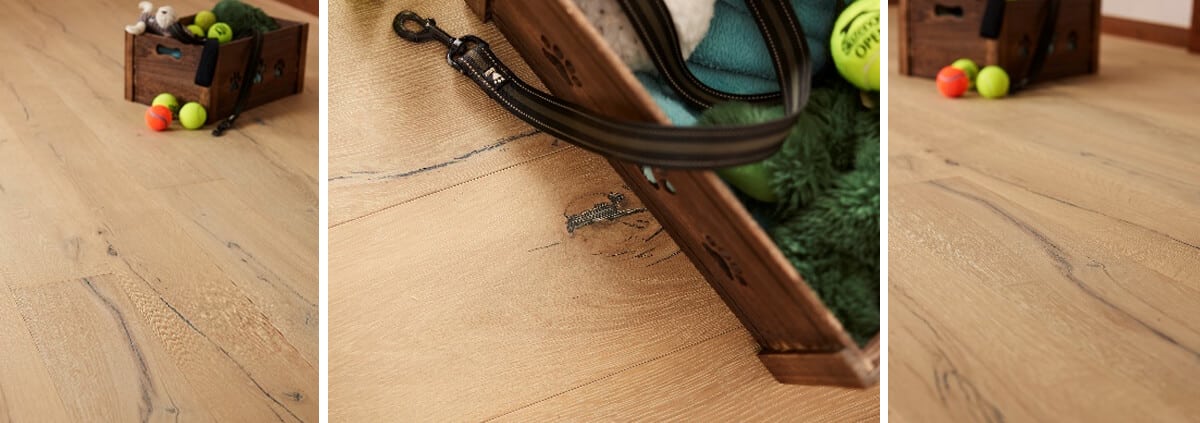
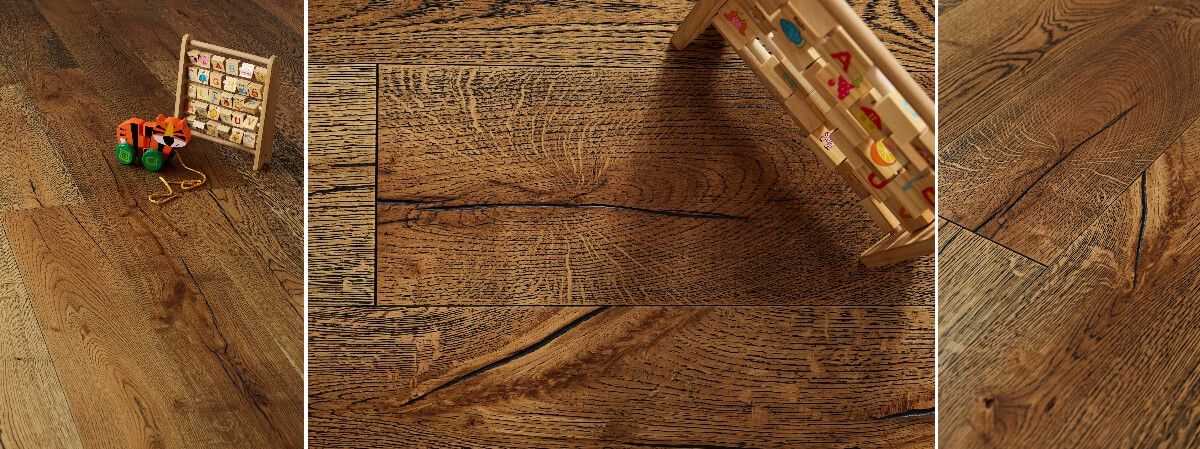
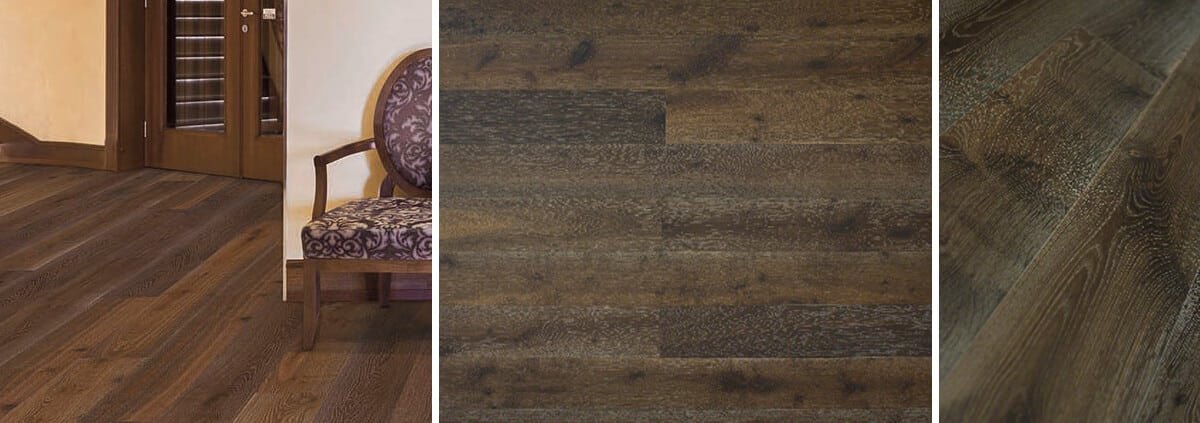
Engineered flooring consists of multiple layers of wood, offering the appearance of solid wood while providing increased stability and moisture resistance. It is perfect for various environments, from luxury homes in London to commercial spaces in Surrey. In this article, we will delve into the factors that influence installation costs and provide guidelines on how to estimate engineered flooring installation costs accurately.
Factors Influencing Engineered Flooring Installation Costs
When estimating installation costs, several key factors come into play:
- Material Costs: The price of engineered flooring varies significantly based on the brand, type, and finish. Premium options from Buckingham, Blenheim, and Balmoral will generally cost more but often provide greater durability.
- Room Size: The larger the area that needs flooring, the higher the total cost. Measuring your spaces accurately will provide a clearer estimate.
- Condition of Subfloor: If the subfloor needs repairs or leveling, this can add to the total installation cost.
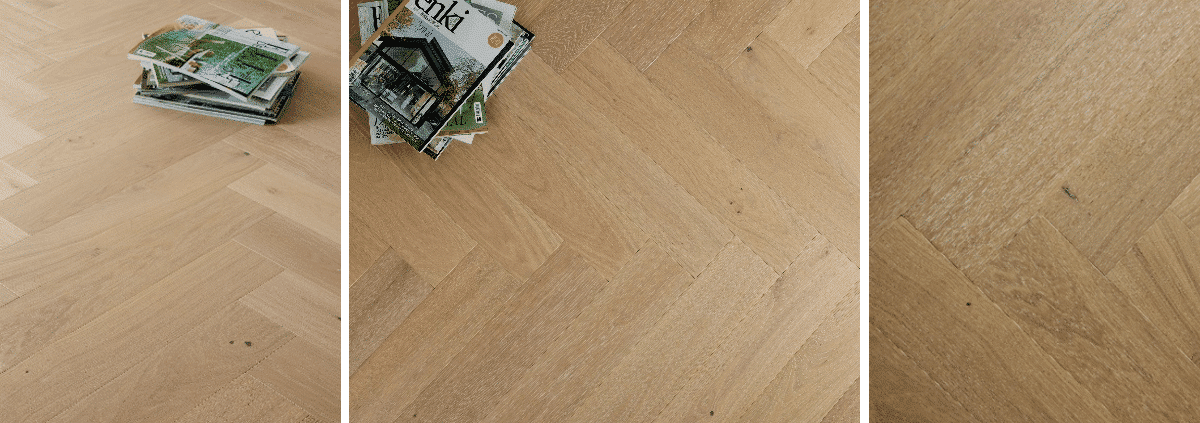
- Installation Complexity: Designs that require intricate patterns, like herringbone or chevron, can be more labor-intensive, increasing the cost.
- Labor Costs: Rates can vary by region and contractor experience. It’s worth getting quotes from multiple contractors.
- Additional Materials: You may need underlayment or adhesives depending on the type of installation. Make sure to include these costs.
How to Estimate Your Costs
Here’s a step-by-step guide on how to estimate engineered flooring installation costs effectively:
Step 1: Measure Your Space
Calculate the square footage of the area to be installed. This will help determine how much material you need. Measure length and width, and multiply these figures:
- Length (ft) x Width (ft) = Total Square Feet
Step 2: Evaluate Material Prices
Research different engineered flooring options available in your area. Contact suppliers or browse online stores for prices. Keep in mind:
- High-quality oak hardwood flooring will typically cost more than standard options.
- Look for special deals or discounts from local flooring shops to save costs. For more insights into flooring options, see Contract Flooring Association.
Step 3: Factor in Installation Costs
Consult local flooring contractors to get quotes. Labor costs can vary significantly; always account for:
- The base install rate, which can range widely based on your location.
- Any additional charges for complex patterns or repairs needed.
Step 4: Consider Additional Expenses
Include costs for additional materials that may be required, such as:
- Underlayment
- Adhesives
- Shipping fees if you order flooring online
Step 5: Account for Contingency
It’s advised to set aside an extra 10-15% of your total budget for unexpected costs, like subfloor repairs or modifications needed after installation begins.
Average Cost Breakdown
Based on national averages and local Kent statistics, here’s a rough cost breakdown:
- Material Costs: £20 – £60 per square meter
- Installation Costs: £15 – £30 per square meter
- Subfloor Repairs: £10 – £20 per square meter (if applicable)
This means a typical engineered flooring installation might range between £45 to £110 per square meter, factoring everything in.
Choosing the Right Contractor in the UK
Selecting the right flooring contractor is crucial for a successful installation. Look for:
- Experience: Seek contractors with proven expertise in engineered wood flooring.
- Reviews: Check online reviews or ask for referrals in your local area.
- Warranties: A reputable contractor should offer warranties on labor and materials.
Frequently Asked Questions
1. What is the best type of flooring for my home?
Your choice of flooring largely depends on your lifestyle, personal taste, and the specific rooms. Engineered wood flooring is perfect for living areas, while real wood flooring offers a classic look.
2. How long does installation take?
Installation time can vary significantly based on the project size and complexity but generally ranges from a few hours to several days.
3. Can I install engineered flooring myself?
While DIY installation is possible, professional installation is recommended for optimal results, especially for intricate patterns like herringbone. For more tips on flooring maintenance, visit Wood Floors.
Conclusion
Estimating engineered flooring installation costs is essential to budgeting for your home improvement project. By measuring accurately, comparing material and labor costs, and selecting experienced contractors, you can achieve a beautiful wooden floor that lasts for years. If you’re ready to discuss your project or need assistance, reach out to the Nationwide Hardwood Flooring Company at 07940 528 315 or email us at enquiries@nhfcompany.co.uk to get started on your flooring journey!