
How to Restore Oak Hardwood Floors: 5 Essential Tips
How to Restore Oak Hardwood Floors without Damaging Them
Restoring oak hardwood floors is an excellent way to bring back the beauty and durability of your flooring. Whether you live in a charming Kent cottage or a modern London apartment, prioritizing the care of your wooden floors can significantly enhance your home’s ambiance. In this guide, we will delve into how to restore oak hardwood floors without damaging them while providing practical tips that will help you achieve professional results.
Understanding Oak Hardwood Floors
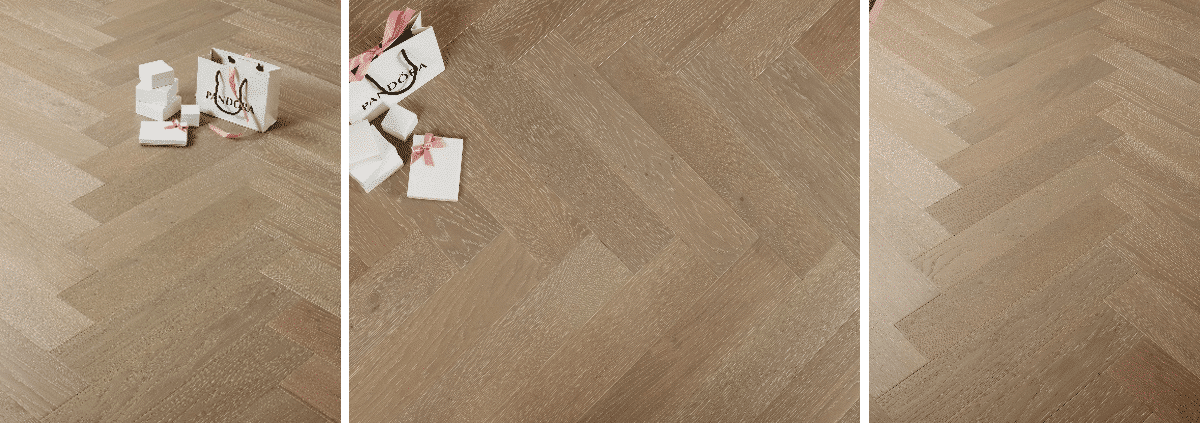
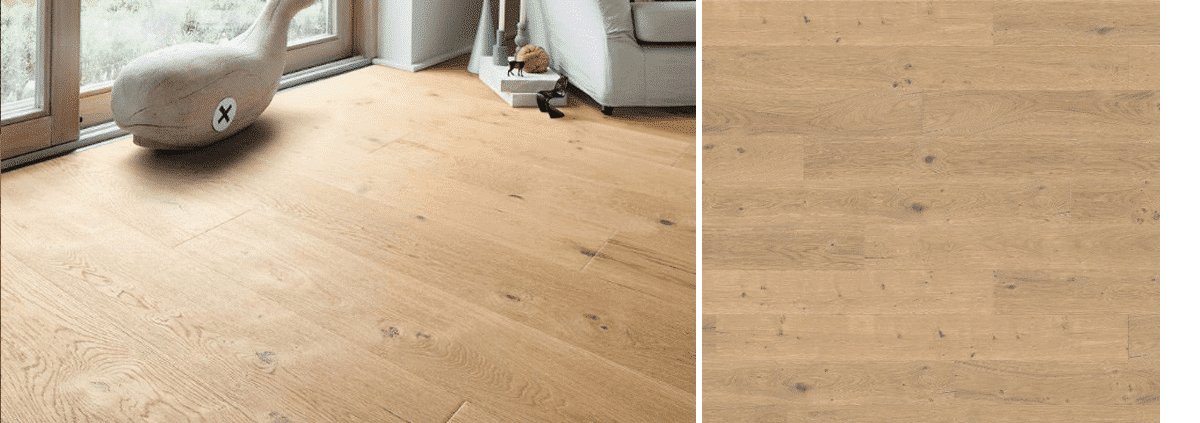
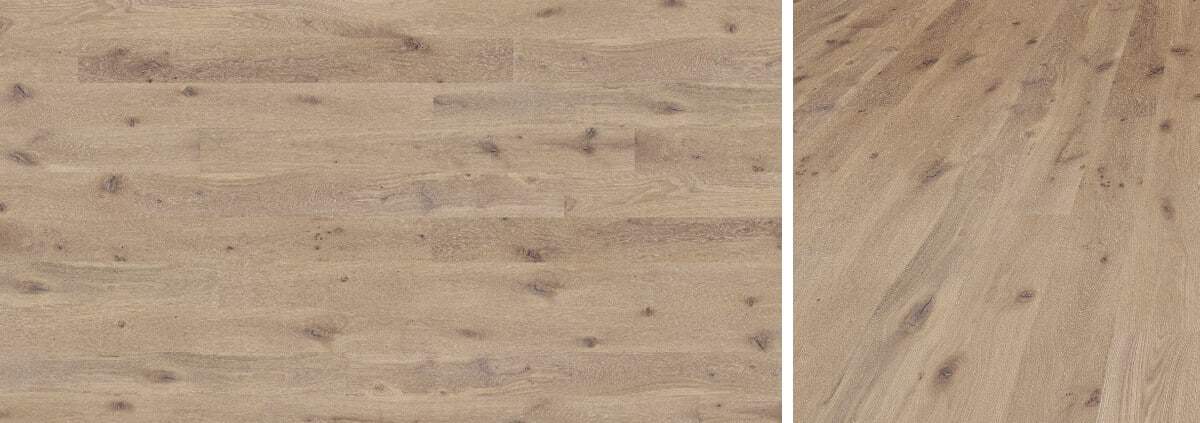
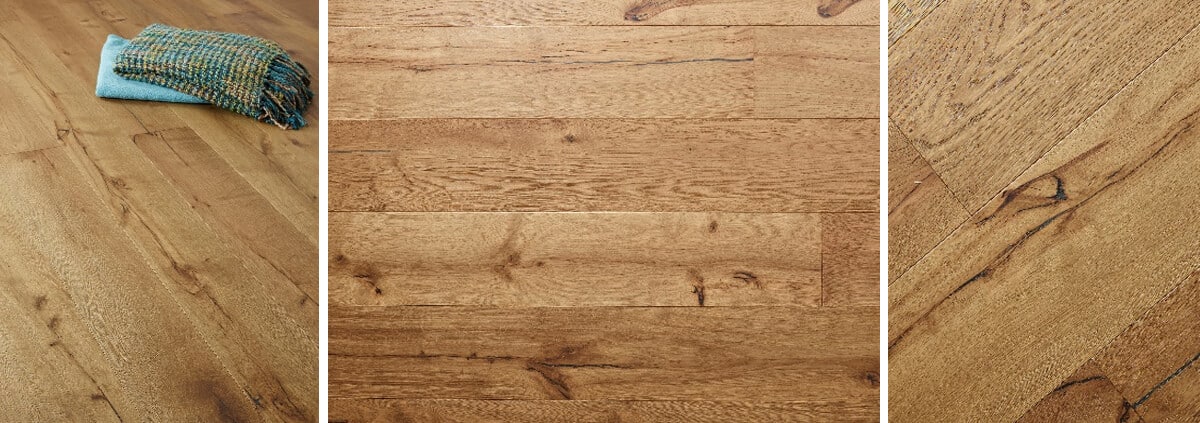
Oak is one of the most popular choices for hardwood flooring due to its strength, versatility, and timeless appeal. There are two main types of oak used in hardwood flooring: Red Oak and White Oak. Red Oak features a distinctive grain pattern and is slightly softer than White Oak, which is even more durable and has a slightly darker hue. For high-quality options, consider exploring our Balmoral engineered flooring.
Before diving into restoration techniques, understanding the characteristics of your oak flooring is crucial. Knowing whether your floors are solid or engineered oak will guide the restoration process.
Signs Your Oak Hardwood Floors Need Restoration
- Scratches and Dents: Regular foot traffic and furniture movement can leave unsightly marks.
- Discoloration: Sunlight can fade your floors, making areas lighter or more yellowed.
- Loss of Luster: Dullness changes the aesthetic of your space.
- Creaking Sounds: If your floor is creaking, it may be due for some TLC.
Step-by-Step Guide on How to Restore Oak Hardwood Floors without Damaging Them
1. Cleaning the Floor
The first step in restoring your oak hardwood floors is thorough cleaning. Use a vacuum or broom to collect dust and debris. Afterward, mop the floor with a soft, damp cloth and a gentle hardwood floor cleaner. Avoid using water excessively, as standing water can cause damage. For optimal maintenance solutions, check out our cleaning products. Additionally, for more on maintaining wooden floors, visit Ideal Home’s guide on cleaning wooden floors.
2. Assessing Damage
After cleaning, inspect your floors for any visible damage. Look for cracks, scratches, and deep grooves. Assess what repairs are needed before proceeding with restoration. Minor scratches may be fixed with a wood repair kit, while deeper damage may require sanding. If you need professional help, consider our services. For a detailed overview of various floor types and their maintenance, you can also refer to Which?.
3. Sanding the Floors
If your floors are significantly dulled or scratched, sanding is the best way to bring them back to life. Here’s how:
- Select the Right Equipment: Rent an appropriate sander, like a drum sander, for larger areas and an edger for corners.
- Follow a Sanding Pattern: Sand with the grain to avoid noticeable swirls. Start with a coarser grit and gradually move to finer grits.
- Clean Up Between Stages: Make sure to vacuum well after sanding to prevent dust from ruining the finish.
4. Repairing Damage
For scratches and dents, you can use wood filler that matches your floor. Apply it carefully and allow it to dry completely before sanding it smooth. For deeper gouges or cracks, consider using wood strips or epoxy fillers, which you can find in our shop. If you’re looking for comprehensive resources on flooring repairs, check out Flooring Magazine.
5. Applying Finish
Once the sanding and repairs are done, it’s time to apply a finish. Depending on your desired look and level of traffic, you might choose a polyurethane or an oil finish. Always follow the manufacturer’s instructions and apply evenly:
- Choose Your Finish: Oil-based finishes provide a richer color, while water-based finishes dry faster.
- Apply Even Coats: Use a synthetic applicator for smooth application.
- Allow Proper Drying Time: This is crucial for durability.
Popular Products for Restoring Oak Hardwood Floors
In Kent and beyond, many homeowners are utilizing quality products for restoring their oak hardwood floors. Brands like Balmoral provide top-notch finishes, and for cleaning, Blenheim offers effective hardwood cleaners. Consider using our multi-ply options for added durability. You can also find additional resources on wood flooring at Wood for Good.
Professional Help for Restoration
While DIY restoration can be rewarding, sometimes it’s best to seek professional assistance, especially for larger projects. Nationwide Hardwood Flooring Company provides expert services in floor sanding and restoration across Kent, London, Surrey, Essex, and Sussex. For more insights on selecting professional help for restoration, consult Homebuilding & Renovating.
Conclusion
Knowing how to restore oak hardwood floors without damaging them is essential for maintaining your home’s elegance. With proper techniques and quality products, you can rejuvenate your floors efficiently. For those who prefer a hassle-free experience, reaching out to experienced contractors ensures stunning results.
For further assistance, contact Nationwide Hardwood Flooring Company at 07940 528 315 or email us at enquiries@nhfcompany.co.uk. Our dedicated team is ready to help!