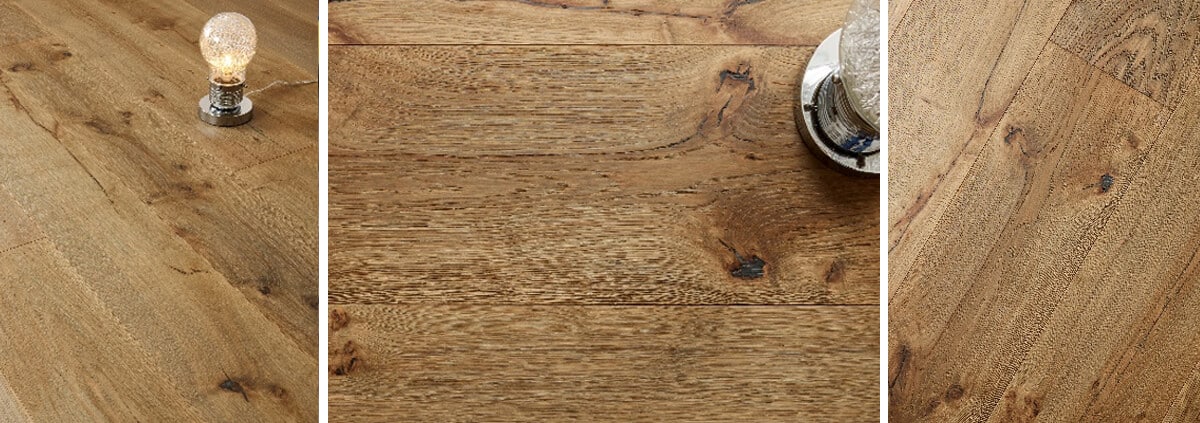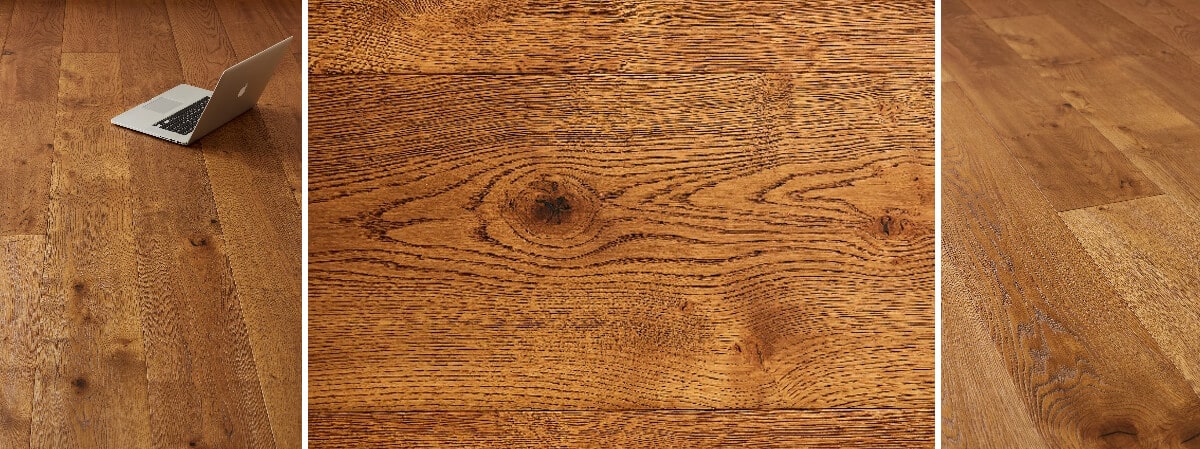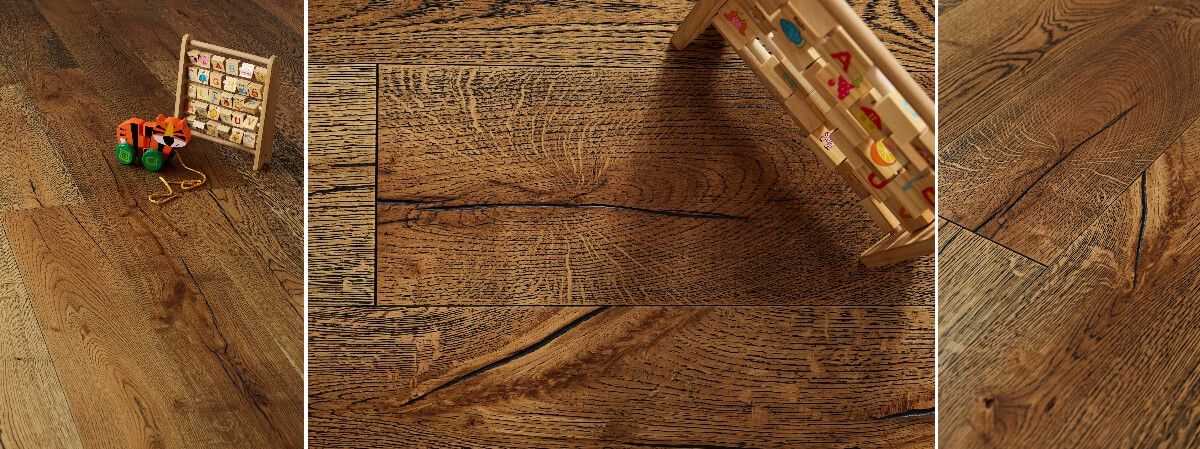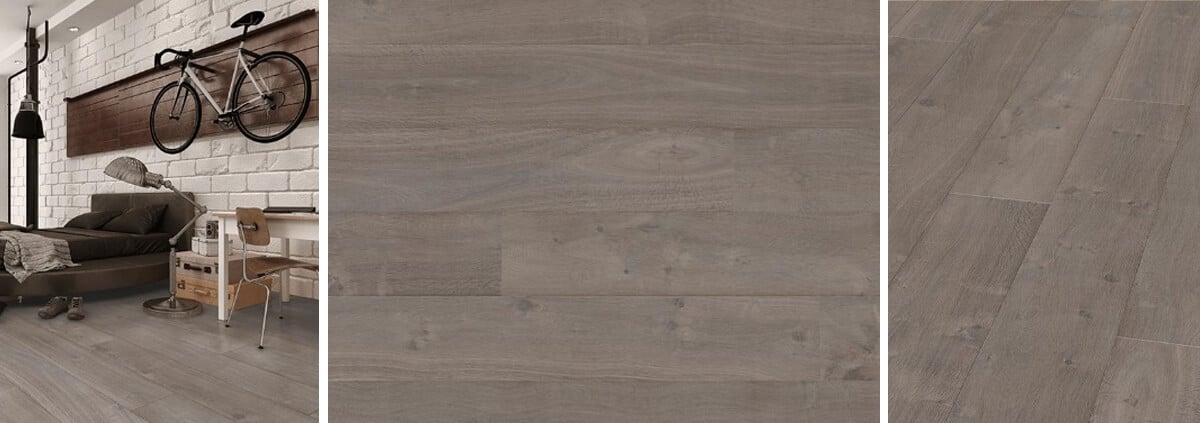

How to Restore Reclaimed Wood Flooring: 7 Simple Steps
How to Restore Reclaimed Wood Flooring
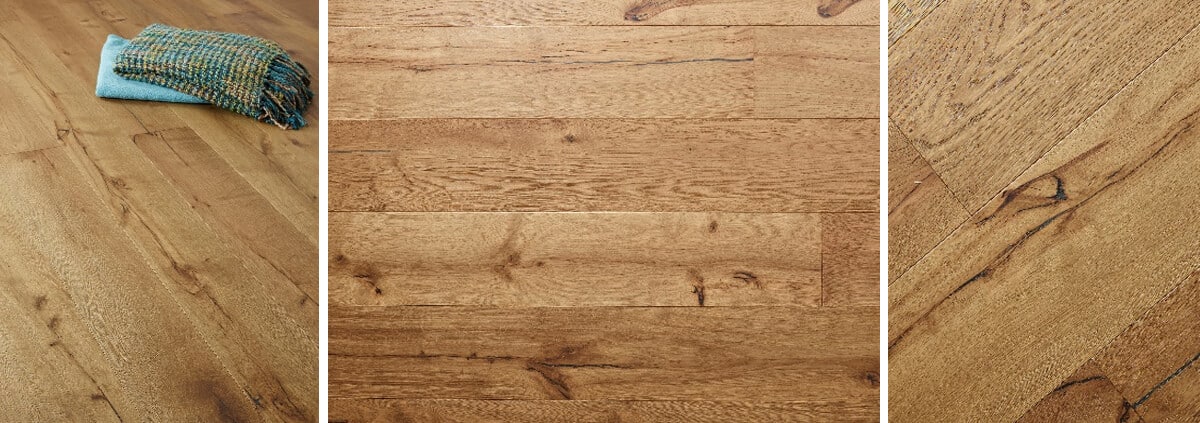
Reclaimed wood flooring adds a unique charm and history to any space, making it a popular choice for homeowners. However, over time, these floors can become worn, scratched, and tarnished. Knowing how to restore reclaimed wood flooring is essential to keep your space looking beautiful and refreshed. This comprehensive guide will walk you through each step of the restoration process, helping you achieve stunning results.
Understanding Reclaimed Wood Flooring
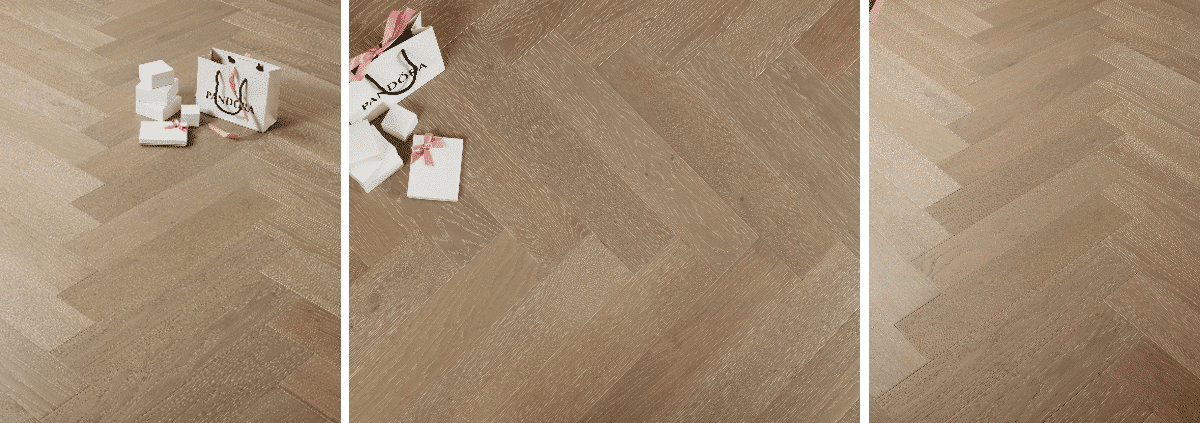
Reclaimed wood, often sourced from old barns, factories, and other structures, not only provides durability but also tells a story. The unique character of reclaimed wood can enhance the aesthetic of your home, but it requires special care and restoration methods to maintain its beauty. For instance, you might consider exploring herringbone multi-ply flooring as an option to enhance your interior. The Forest Stewardship Council (FSC) provides guidelines and certification for sustainable sourcing of reclaimed wood, ensuring your flooring choices are environmentally friendly.
Assessing the Condition of Your Reclaimed Wood Flooring
Before starting the restoration process, it’s important to assess the current condition of your floors:
- Scratches and Dents: Check for visible wear or damage.
- Color Fading: Look for areas where the finish has worn away.
- Moisture Damage: Ensure there are no signs of warping or water damage.
- Loose Planks: Ensure that all planks are securely fastened.
Essential Tools and Materials
Gather the following tools and materials to restore your reclaimed wood flooring:
- Sander (orbital or drum)
- Sandpaper (various grits)
- Vacuum or broom
- Wood filler (if applicable)
- Wood finish or sealant
- Brushes or rollers
- Safety goggles and mask
Step-by-Step Restoration Process
Now that you have your tools and materials ready, follow these seven steps to successfully restore your reclaimed wood flooring:
Step 1: Prepare the Room
Clear all furniture and rugs from the room to provide unobstructed access to the flooring. Proper ventilation is also critical, so open windows and doors for air circulation.
Step 2: Clean the Floor
Thoroughly clean the floor using a vacuum or broom to remove dust and debris. Pay special attention to the corners and edges where dirt may accumulate.
Step 3: Sand the Floor
Start with a coarse sandpaper (40-60 grit) using your sander, and work your way up to finer grits (120-220 grit). Sand in the direction of the wood grain for best results. This process will remove the old finish and any imperfections. If you’re working with high-quality products, consider using Primes engineered flooring, known for its durability. You can also refer to Wickes’ guide on laying wood flooring for additional insights.
Step 4: Fill in Gaps and Repair Damage
If you find any gaps or cracks, use wood filler to fill them in. For larger repairs, you may need to replace some planks. Allow the filler to dry according to package instructions and sand it smooth.
Step 5: Clean Again
Once sanding and repair are complete, vacuum the floor once more to remove all sawdust and debris.
Step 6: Apply a Finish
Choose a finish that suits your style—whether oil-based, water-based, or a natural wood finish. Apply the finish evenly with a brush or roller, following the manufacturer’s instructions. Be sure to wear protective gear during this step, as finishes can be harmful if inhaled. Check out Bona’s equipment selection for quality finishing products to use.
Step 7: Allow to Cure
After applying the finish, allow the floor to cure for the recommended time before walking on it. This may take several hours to a few days, depending on the type of finish used.
Maintaining Your Restored Reclaimed Wood Flooring
To keep your reclaimed wood flooring looking its best, follow these maintenance tips:
- Avoid harsh cleaning chemicals that can damage the finish.
- Utilize a damp mop for regular cleaning.
- Place rugs in high-traffic areas to prevent wear.
- Regularly inspect the floor for any signs of damage.
Conclusion
Knowing how to restore reclaimed wood flooring allows you to breathe new life into your floors while maintaining their unique character and appeal. By following these steps and taking proper care of your flooring, you can enjoy the beauty of reclaimed wood for many years to come. For additional options, consider our Balmoral engineered flooring for a fresh new look.
For professional assistance, contact the Nationwide Hardwood Flooring Company at 07940 528 315 or email us at enquiries@nhfcompany.co.uk. We offer expert flooring services across the UK, ensuring your reclaimed wood floors are restored to perfection!