
Floor Restoration for Retail Spaces: 10 Essential Tips
Importance of Floor Restoration for Retail Spaces
In the vibrant and competitive world of retail, the atmosphere of your store plays a significant role in attracting and retaining customers. One crucial element often overlooked is the flooring. Over time, retail floors can suffer from wear and tear, fading, and damage, which may affect not just the aesthetic of your space but also the overall customer experience. This is where Floor Restoration for Retail Spaces comes into play. Let’s delve into why floor restoration is essential for your retail environment and how it can transform your business.
Why is Floor Restoration Essential?
Maintaining an impressive and safe retail space is vital for any business. Here are some key reasons why investing in floor restoration is crucial:
- Enhances Aesthetic Appeal: Restoring your flooring can instantly uplift the visual appeal of your store. A well-maintained floor offers a polished look, vital for creating a positive first impression on your customers.
- Increases Longevity: Regular restoration can prolong the lifespan of your flooring. This means fewer expenses and disruptions associated with replacing flooring in the long run.
- Improves Safety: Damaged or worn floors can pose safety risks, leading to slips and falls. Restoration helps maintain a safe shopping environment, reassuring your customers.
- Boosts Value: Well-maintained flooring can add to the overall value of your property, making it more appealing to potential buyers or investors during any sale or lease negotiations.
Types of Flooring Commonly Found in Retail Spaces
Retail spaces can feature various types of flooring materials. Understanding these can help you make informed restoration decisions:
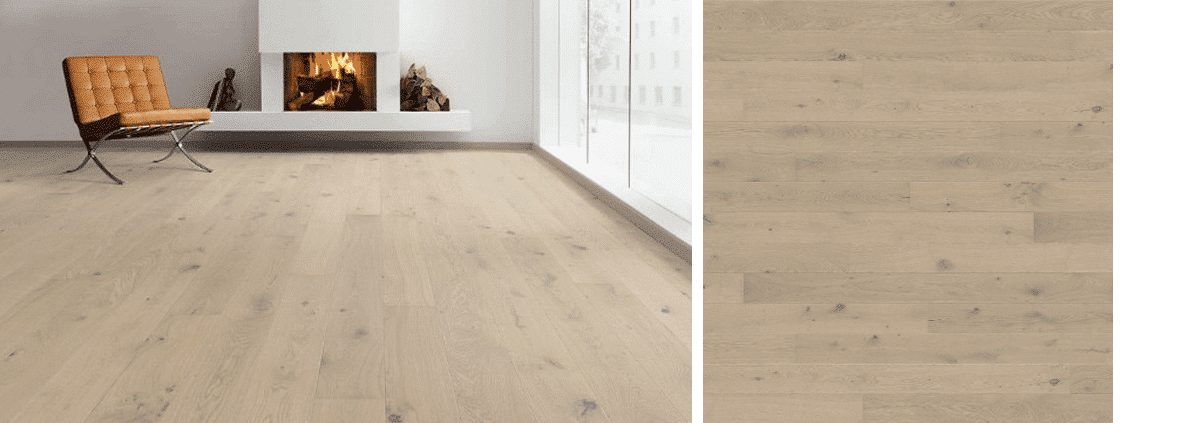
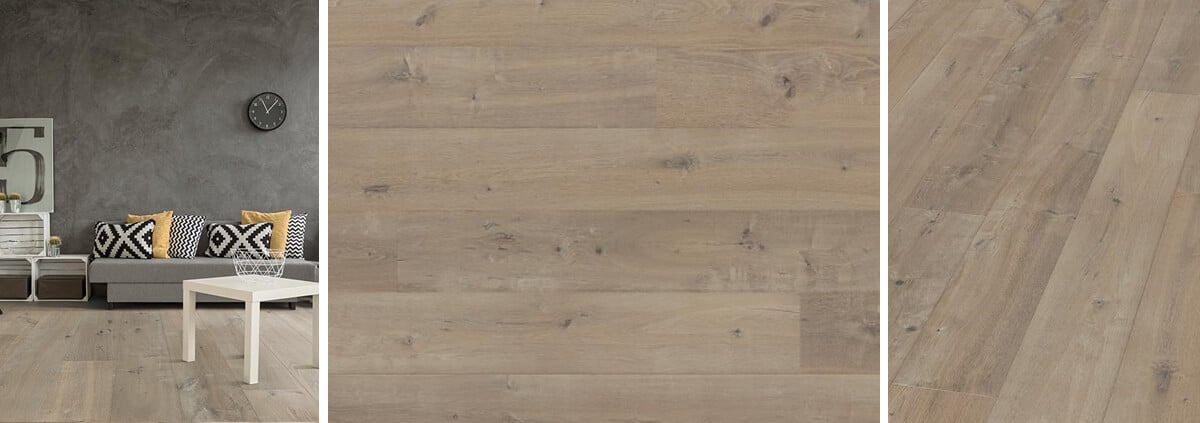
- Hardwood Flooring: Traditional and durable, hardwood floors offer a timeless elegance that draws customers in. Restoration can involve sanding, refinishing, and sealing to enhance its beauty.
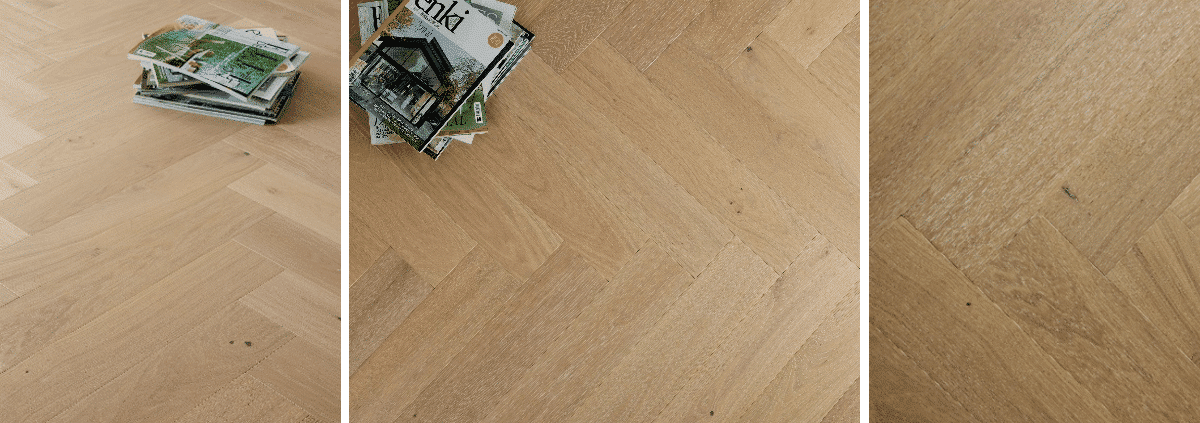
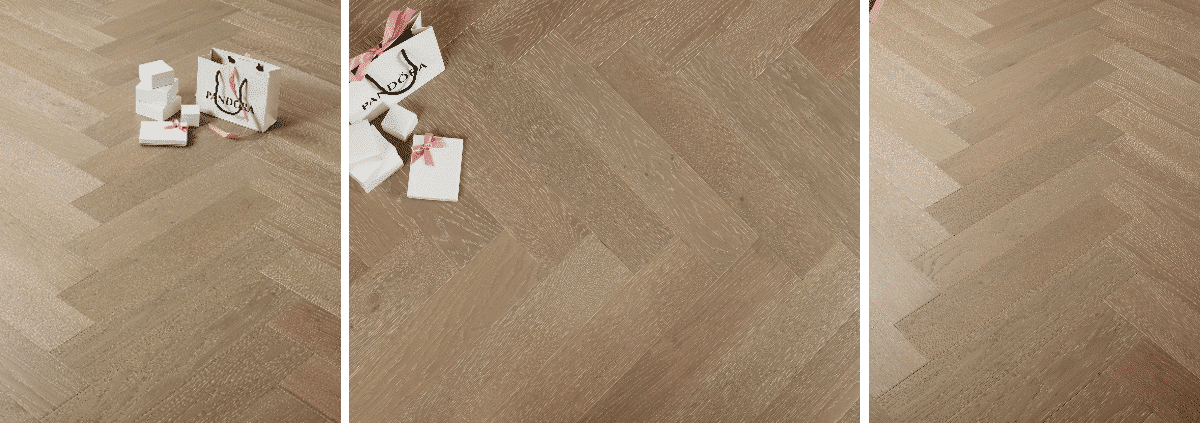
- Engineered Wood Flooring: Combines the aesthetics of hardwood with enhanced stability. Restoration may include cleaning and re-coating to preserve its charm. Consider our Balmoral engineered flooring for a durable option.
- Vinyl Flooring: Affordable and available in various styles, vinyl floors are a popular choice. Restoration typically consists of deep cleaning and applying protective layers.
- Tile Flooring: Known for its durability and ease of maintenance, tile can be restored through cleaning and grouting to ensure it looks fresh.
- Carpet: While not as common, some retail spaces may utilize carpet, which requires specialized cleaning and maintenance techniques to restore its appearance.
Benefits of Professional Floor Restoration Services
While some business owners may consider a DIY approach to floor restoration, professional services come with numerous advantages:
- Expertise: Professional contractors have the skills and experience necessary to assess the condition of your floors and determine the best restoration methods. For advice on quality flooring standards, refer to the Contract Flooring Association.
- Quality Equipment: Professionals use specialized equipment and tools that can achieve results unattainable through DIY methods.
- Time-Saving: Outsourcing your floor restoration can save you valuable time, allowing you to focus on other essential aspects of your business.
Steps to Take for Effective Floor Restoration
To restore your retail space effectively, follow these steps:
- Assessment: Begin with a professional assessment to identify areas needing restoration.
- Cleaning: A thorough cleaning is essential to prepare the surface for restoration.
- Repairs: Address damages such as cracks or scratches before proceeding with refinishing.
- Refinishing: Depending on the type of flooring, refinishing methods will vary and may involve sanding, sealing, or applying polish.
- Final Inspection: Upon completion, conduct a final inspection to ensure the restoration meets standards.
How Often Should You Restore Your Floors?
The frequency of floor restoration depends on various factors, including foot traffic, type of flooring, and maintenance routines. However, a general guide suggests:
- Hardwood Floors: Every 3 to 5 years, depending on wear.
- Engineered Wood Floors: Every 5 to 7 years.
- Tile Floors: Every 5 to 10 years, using deep cleaning methods.
- Carpet: Every 1 to 3 years, with regular cleaning in between.
Local Factors Affecting Flooring in Retail Spaces in Kent
Kent is known for its rich history and thriving retail market. As a retailer in this area, consider local climate and specific customer preferences that may impact your flooring choices.
- Weather Impact: The humid maritime climate of Kent can influence the choice of flooring materials. Hardwood floors, for example, may require more frequent care due to moisture levels in the air. For safer flooring options, see Wood for Good.
- Local Style Trends: Being aware of the current design preferences in Kent can help you choose restorative methods that align with modern aesthetics.
Conclusion
Restoring your retail flooring is not just a cosmetic upgrade; it is an investment in the future of your business. By understanding the significance of floor restoration for retail spaces, you can create a welcoming and safe environment for your customers while enhancing the overall value of your property. For your floor restoration needs, contact the Nationwide Hardwood Flooring Company at 07940 528 315 or email enquiries@nhfcompany.co.uk for expert assistance. Explore our past projects to see the results of our flooring restoration services.