
Multi-Ply Engineered Flooring vs Solid Wood: 5 Key Insights
Multi-Ply Engineered Flooring vs Solid Wood: Which Is Best?
When it comes to choosing flooring for your home or business, you are often faced with a tough decision: multi-ply engineered flooring vs solid wood. The flooring you select not only impacts the aesthetic of your space but also its functionality, durability, and overall value. In this article, we will delve into the features, advantages, and disadvantages of both flooring types, with a focus on helping you make an informed decision.
What Is Multi-Ply Engineered Flooring?
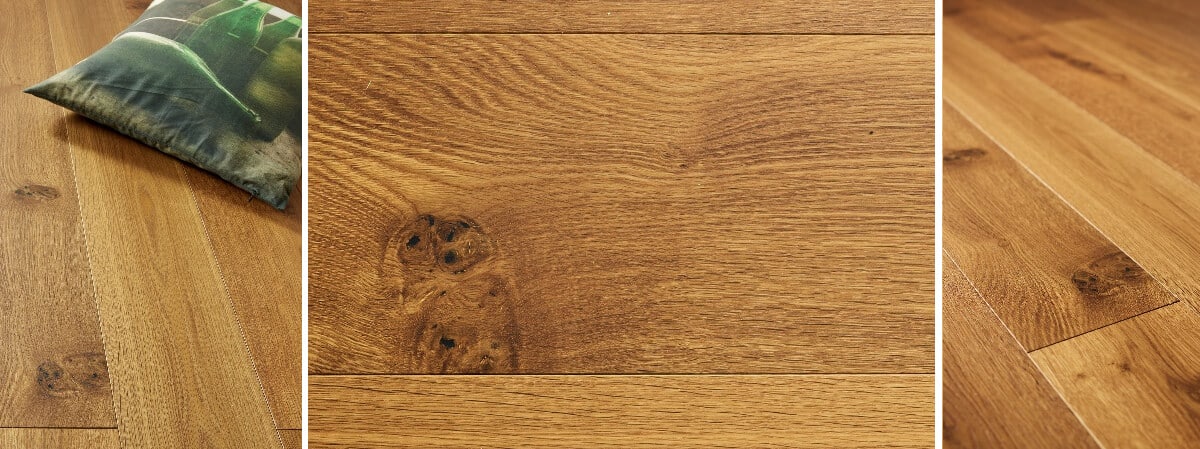
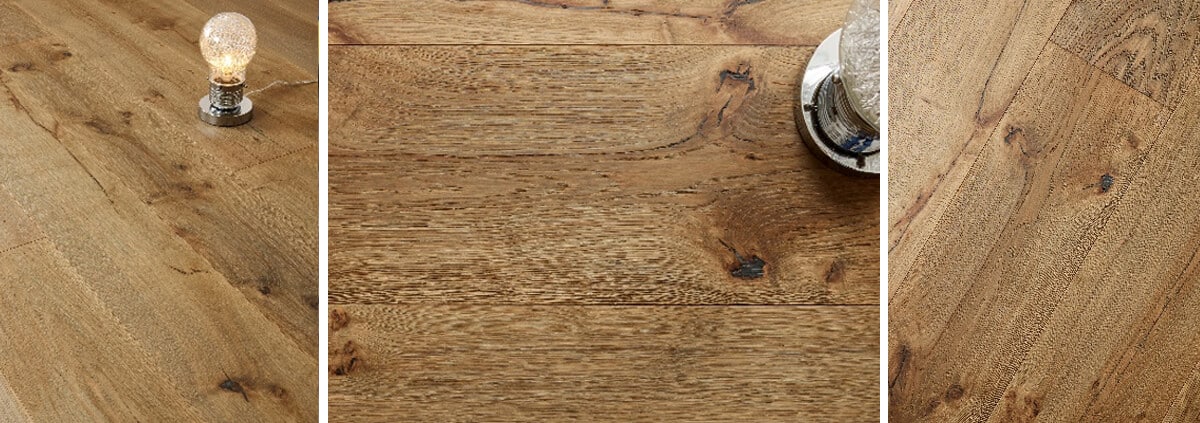
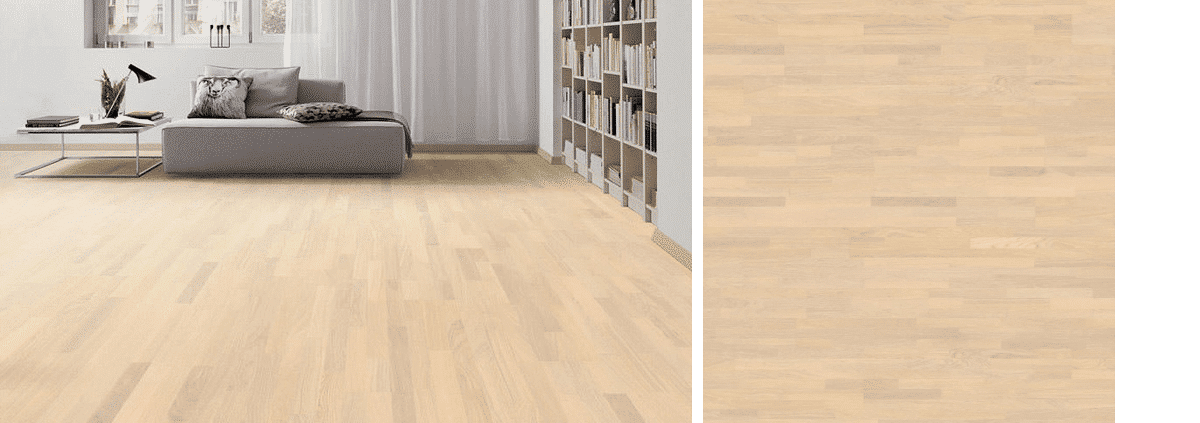
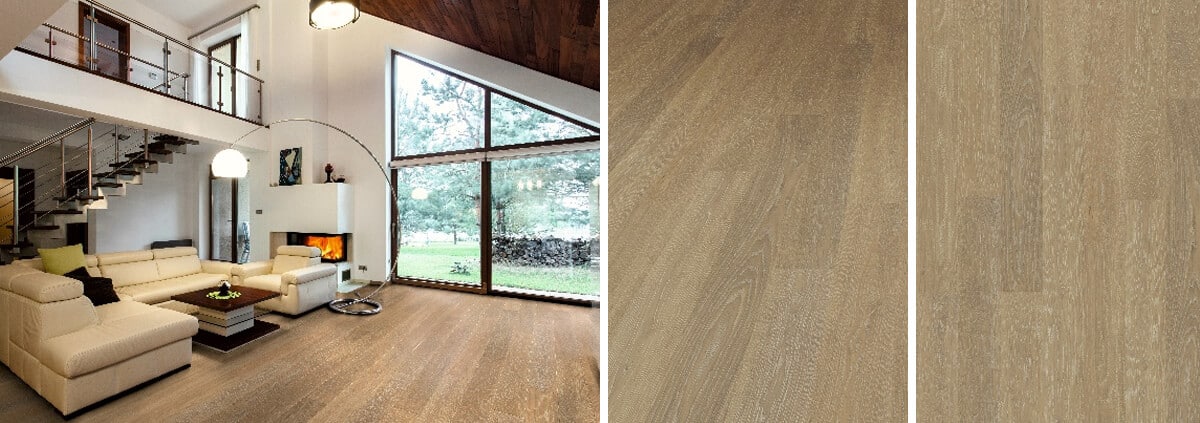
Multi-ply engineered flooring consists of several layers of wood that are bonded together, typically featuring a hardwood veneer on the surface fused to high-quality plywood or HDF (high-density fiberboard) layers beneath. This unique construction provides engineered floors with significant stability and resistance to humidity and temperature changes.
Benefits of Multi-Ply Engineered Flooring
- Durability: Multi-ply engineered flooring is designed to withstand heavy foot traffic, making it suitable for both residential and commercial spaces.
- Moisture Resistance: Its layered structure allows engineered wood to cope well with variations in humidity, making it an ideal choice for areas like kitchens and bathrooms.
- Variety of Styles: You can find multi-ply engineered flooring in a wide range of styles, finishes, and species, allowing for versatile design possibilities.
- Eco-Friendly Options: Many engineered floors are made from sustainable materials, lessening their environmental footprint compared to some solid wood options. For more on sustainable wood sources, check PEFC’s guidelines.
- Ease of Installation: Multi-ply engineered flooring can be installed via click-lock methods, glue-down, or staple, simplifying the installation process.
What Is Solid Wood Flooring?
Solid wood flooring is made from a single piece of hardwood, providing a classic, timeless look. Each plank can be sanded and refinished multiple times, making it a long-lasting flooring option.
Benefits of Solid Wood Flooring
- Natural Beauty: Solid wood flooring offers unparalleled aesthetic appeal with unique grains and textures that enhance any space.
- Longevity: When maintained properly, solid wood can last for generations, adding value to your property over time.
- Increased Home Value: Solid wood flooring is often seen as a luxury addition, which can increase resale value significantly, a factor noted in real estate insights.
- Refinishing Options: Unlike engineered floors, solid wood can be sanded down to remove imperfections and refinished to refresh its look.
- Variety of Species: From oak to maple to cherry, solid wood flooring offers a plethora of species to choose from, catering to all tastes.
Comparing Durability: Multi-Ply Engineered Flooring vs Solid Wood
In terms of durability, both flooring types cater to different needs:
- Multi-Ply Engineered Flooring: More resistant to moisture and temperature fluctuations, making it ideal for various environments, particularly those prone to humidity.
- Solid Wood Flooring: While it may be less resistant to moisture, it can withstand wear and tear very well, especially in living areas. However, solid wood should be kept away from moist environments like basements or bathrooms.
Cost Analysis: Multi-Ply Engineered Flooring vs Solid Wood
Cost is an essential consideration when choosing flooring. Let’s break down the estimated costs for both options:
- Multi-Ply Engineered Flooring: Generally more affordable than solid wood. Cost typically ranges from £30 to £70 per square meter, with premium options available like Loch Rannoch.
- Solid Wood Flooring: Often more expensive, with prices ranging from £60 to £120 per square meter depending on the wood species and finish. You can read more about flooring costs on Flooring Magazine.
Installation: What to Consider?
The installation process for both flooring options varies:
- Multi-Ply Engineered Flooring: It is usually easier to install due to click-lock mechanisms or glue-down options, requiring only a few tools.
- Solid Wood Flooring: Requires professional installation, especially for nail-down or glue-down methods, ensuring it is securely placed and fits the space properly.
Maintenance: Keeping Your Floors in Shape
Both floor types require maintenance, but the processes differ slightly:
- Multi-Ply Engineered Flooring: Should be cleaned with a damp cloth or a vacuum cleaner to avoid moisture damage. Periodic refinishing may not be needed but consider replacing the surface layer once it begins showing wear.
- Solid Wood Flooring: Requires regular cleaning and can be refinished every several years, allowing it to restore its original beauty and extend its life.
Choosing the Right Option for Your Space
Your choice between multi-ply engineered flooring vs solid wood ultimately depends on your space, lifestyle, and budget. Here are some key considerations to help guide your decision:
- For high-moisture areas: Multi-ply engineered flooring.
- For aesthetic and lasting value: Solid wood flooring.
- If budget is a concern, consider engineered wood.
- For renovations where refinishing is a priority: Solid wood is best.
Local Insights for Kent, London, Essex, and Beyond
As a flooring company serving the UK including Kent, London, Essex, Surrey, Sussex, we understand local trends and preferences. Popular choices in Kent often include oak and herringbone designs, bringing a touch of luxury and warmth to homes. Many clients lean toward engineered wood for its durability and cost-effectiveness, especially for busy urban areas. For more insights, visit Visit London.
In contrast, areas around London may showcase solid wood’s timeless appeal in historical homes or upscale commercial establishments. Shop for flooring locally with our team at Nationwide Hardwood Flooring Company to explore premium options such as the Buckingham or Balmoral ranges that best suit your lifestyle and space.
Conclusion
Whether you decide on multi-ply engineered flooring vs solid wood, it’s vital that your choice reflects not just your style, but also practical aspects such as maintenance, durability, and cost. At Nationwide Hardwood Flooring Company, we are here to assist with expert guidance and quality installations, ensuring your floors enhance your space for years to come.
For more information, contact us today at 07940 528 315 or email enquiries@nhfcompany.co.uk. Let us help you choose the perfect flooring solution for your needs!