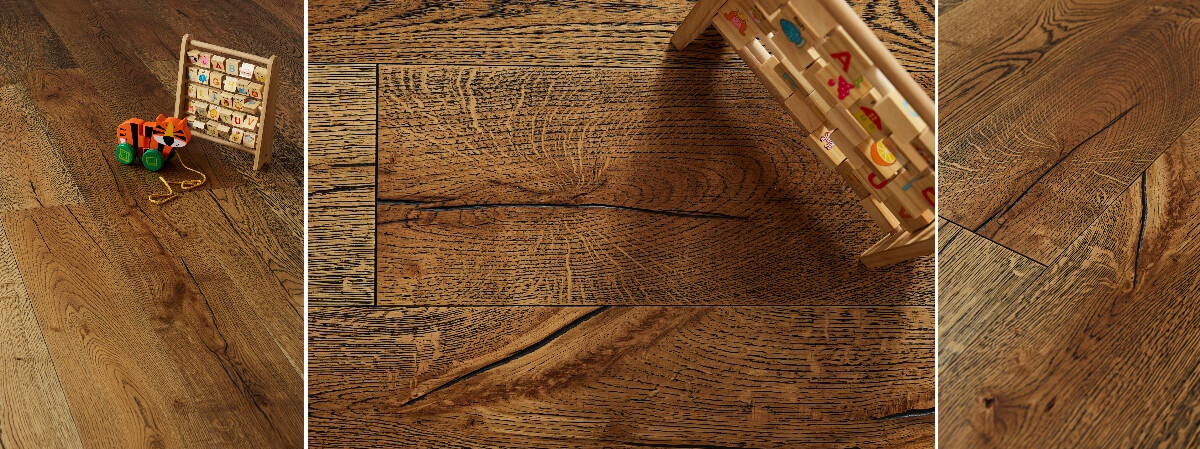

Process of Sanding and Staining Hardwood Floors: 7 Steps Revealed
Process of Sanding and Staining Hardwood Floors in London
Expert hardwood floor restoration can dramatically enhance the beauty and value of your London property. By choosing a specialist like Nationwide Hardwood Flooring Company, you ensure your hardwood floor sanding and staining project features high-grade materials and professional installation. This expanded guide outlines every stage with actionable advice, local insights, and recommended steps for London homeowners and businesses. For more on SEO best practices for service pages, see the Google SEO Starter Guide.
Why Londoners Invest in Hardwood Floor Restoration
In prestigious London districts such as Kensington, Chelsea, and Notting Hill, hardwood floors offer enduring appeal and significant property value. Restoration preserves the legacy of these homes while transforming them into showpieces of elegance and durability. Specialized restoration, including tasks undertaken by recognized professionals, brings out the natural shine, character, and resilience of wood flooring. Learn how Buckingham Solid oak flooring supports classic British interiors.
Step-by-Step: Sanding and Staining Hardwood Floors in London
- Assessment and Preparation
Qualified floor fitters examine for damage, unevenness, or historical quirks. A thorough survey, including cleaning and furniture removal, precedes technical advice on plank types or patterns ideal for your space.
- Equipment Selection
The right choice, from drum sanders to edge tools, is crucial for homes in Camden, offices in Greenwich, and retail stores. Advanced dust-control systems help maintain air quality and minimize disruption, a critical consideration in busy city areas.
- Sanding the Floor
Progressing from coarse to fine grades, professionals preserve patterns like herringbone and chevron and create an ideal base for staining. Refer to Herringbone Multi-Ply Hardwick for bold pattern inspiration.
- Edge Sanding
Attention to corners and edges ensures uniform stain results and crisp lines, especially important in patterned installations such as Herringbone Multi-Ply Burghley.
- Dust Removal
Industrial vacuums, tack cloths, and dust-free sanding are essential for flawless staining. London’s urban environment often requires extra attention to airborne particles, enhancing the need for meticulous cleaning standards.
- Stain Selection and Application
A vast range of stains is available to match London’s diverse interiors, with layering and drying techniques used for a smooth, rich finish. Explore stain choices and maintenance via flooring industry blogs.
- Sealing and Finishing
Final coats of polyurethane, lacquer, or oils adapt to each property’s needs—heavy traffic, historic charm, or eco-friendliness. Techniques for engineered systems, including Timbertop Engineered Flooring, bolster resilience and longevity.
Materials Used in London Hardwood Floor Restoration
London contractors favor robust, sustainable timber like oak, walnut, and maple, sourced for authenticity and resilience. See expert advice on wood species and finishes at this hardwood flooring resource. Engineered boards, such as Loch Tummel Multi-Ply flooring, combine style and stability, ideal for city environments.
Benefits of Professional Sanding and Staining
- Boosts property value and enhances period features.
- Improves durability and offers bespoke finishes for every lifestyle.
- Reduces allergens and promotes healthy living spaces, with latest advice outlined in the Nationwide Hardwood blog and content readability tips for homeowners.
Common Pitfalls to Avoid
- Incorrect sandpaper grade may damage delicate historic flooring.
- Poor dust removal results in uneven stains.
- Thick stain application causes sticky finishes and delays.
- Ineffective edge sanding creates patchy borders in detailed layouts.
- Skipping sealer exposes floors to scratches and moisture; read about best sealing practices on Backlinko SEO Best Practices.
Tips for Maintenance
- Sweep regularly to maintain finish and prevent scratches.
- Use recommended cleaners to preserve color and protective coating.
- Attach felt pads to furniture to prevent dents.
- Avoid excess water, which may affect wood near humid environments like the Thames.
- Arrange professional recoating every few years; more on maintenance tips is available from the Nationwide restoration team.
FAQs on London Hardwood Floor Restoration
- How often should I restore my floors? Usually every 7–10 years, depending on usage.
- Can I alter my floor colour? Yes, with a selection from light to dark stains.
- Does sanding remove scratches? Most marks can be eliminated; deeper gouges may need specialist repair.
- How dusty is the process? Dust-free systems significantly reduce disruption.
- Does London’s climate impact results? Variable humidity requires careful stain and finish selection.
Contact and Further Reading
For a comprehensive approach, connect with Nationwide Hardwood Flooring Company for service details, free quotations, and scheduling. If you’d like to deepen your understanding of modern restoration methods, consult resources such as the American Hardwood Information Center for trade insights and SEO writing tips from Semrush to learn how online content can further support successful restoration businesses.