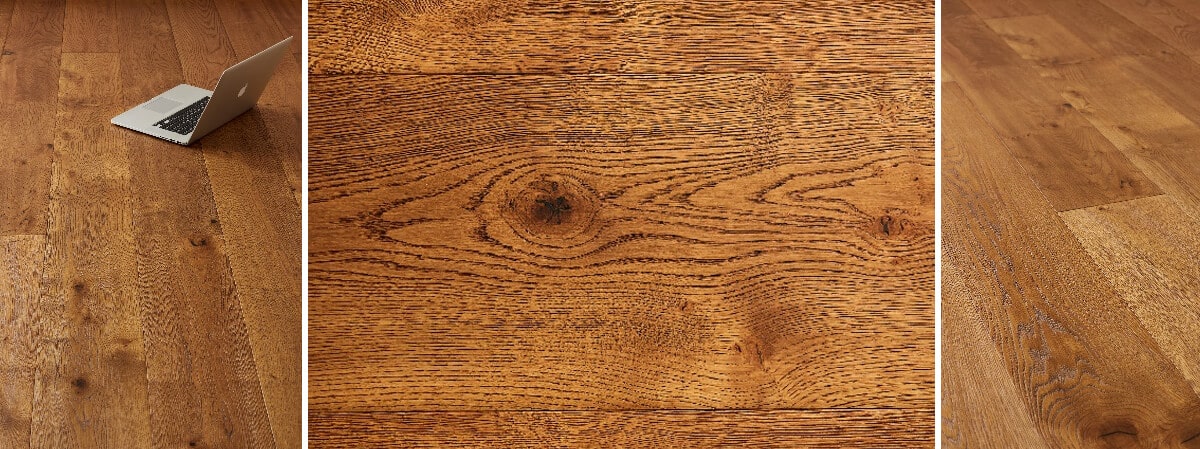

Rejuvenate Wood Floors Without Sanding Easily
Rejuvenate Your Wood Floors Without Sanding: A Comprehensive Guide
Wood floors bring an undeniable charm and warmth to any home or office space. Over time, however, wear and tear can dull their appearance. Fortunately, you can rejuvenate wood floors without sanding and restore their original shine. In this comprehensive guide, we explore methods that are easy, cost-effective, and efficient.
The Charm of Wood Flooring in London
London, with its rich history and architectural grandeur, is home to many residences adorned with exquisite wood flooring. Whether it’s a Georgian townhome in Kensington or a modern loft in Shoreditch, the aesthetic of wood flooring is universally appreciated. With our guidance, you can maintain this beauty without the arduous process of sanding. For those interested in higher quality and unique designs, consider exploring herringbone multi-ply flooring options.
Understanding Your Wood Flooring Type
Before diving into rejuvenation techniques, it’s vital to identify your wood flooring type—be it hardwood, engineered, or parquet. Each has distinctive characteristics and care requirements:
- Hardwood Floors: Made from solid wood, they offer unmatched durability and style.
- Engineered Wood Floors: These consist of a top veneer layer glued to a core for enhanced stability. Consider The Primes engineered flooring for excellent durability.
- Parquet Flooring: Known for intricate patterns, typically made using small wood slats.
Why Skip Sanding?
Sanding, while effective, is also labor-intensive and can be disruptive. Opting to rejuvenate wood floors without sanding is a fantastic alternative that preserves the wood’s surface and avoids dust and noise. Learn more about dust-free floor renovation on Bob Vila’s guide to dust-free floor refinishing.
Steps to Rejuvenate Your Wood Floors
Rejuvenating wood floors involves cleaning, repairing minor damage, and applying a protective finish. Here’s how:
Step 1: Thorough Cleaning
Start by vacuuming your floors to remove debris. Follow with a damp mop using a mixture of water and a few drops of dish detergent. Avoid excess water on the floor as it can cause damage. For tips on avoiding water damage, refer to The Washington Post’s guide on maintaining hardwood floors.
Step 2: Addressing Minor Scratches and Repairs
Scratches can age a floor’s appearance. Use a wood floor touch-up kit or crayon matched to your floor color to fill in scratches. For dents, a damp cloth and a hot iron can sometimes coax the wood back into shape. Learn more about repairing floor scratches at .
Step 3: Apply a New Finish
Applying a new finish adds luster and protection. Products vary from glossy polyurethanes to matte finish oils. Follow the manufacturer’s instructions for the optimal application. For a wider selection, check out the finishes available at Balmoral engineered flooring.
Choosing the Right Products
When choosing products, consider options from your local flooring store; these are likely to be well-suited to local conditions and flooring types found in London. Explore choices such as the stunning Loch Tummel multi-ply flooring.
Local Experts: Nationwide Hardwood Flooring Company
If the task seems daunting, consult professionals like Nationwide Hardwood Flooring Company. Contact us at 07940 528 315 or email enquiries@nhfcompany.co.uk for expert assistance tailored to your wood flooring needs. Visit our contact page for more details.
Preventive Measures
Avoid abrasions with area rugs and furniture pads. Regular dusting can keep grit from dulling the finish, prolonging the time between necessary rejuvenations. For more on preventing floor damage, visit HGTV’s guide on protecting wooden floors.
FAQs
- Can I use vinegar to clean wood floors? – While vinegar cleans well, its acidity can damage hardwood. Opt for pH-neutral cleaners. Learn more about the effects of vinegar on wood at Better Homes & Gardens.
- How often should I refinish my floors? – It varies with traffic levels, but generally every 3-5 years.
- Are rejuvenation methods suitable for all wood types? – It works best on floors without deep gouges or severe wear.
By following these steps and leveraging local expertise, you can enjoy beautiful wood floors without the hassle of traditional sanding methods. Embrace the elegance of your floors and the ease of rejuvenation. Discover more about our offerings on our about page.