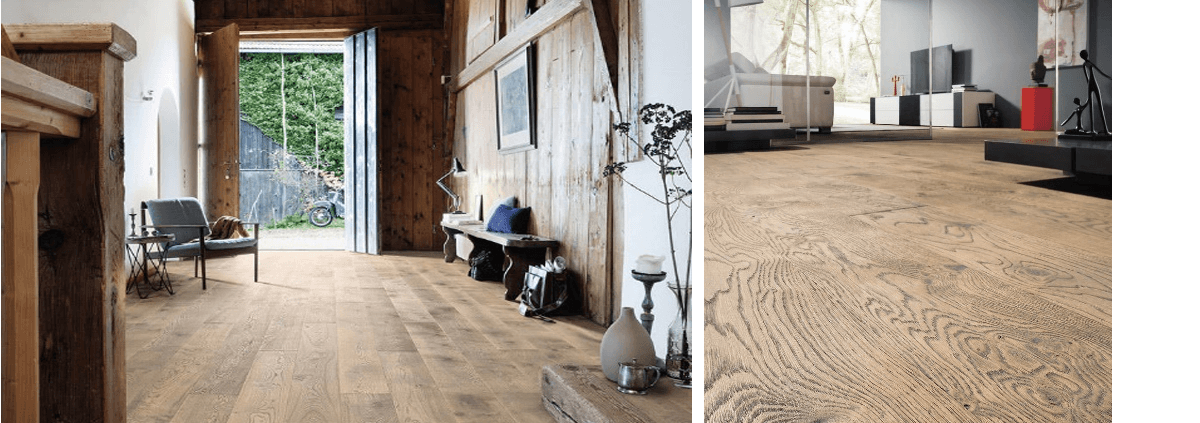

Repair Wood Floors without Sanding - Easy Tips
Expert Tips on How to Repair Wood Floors Without Sanding
Maintaining the beauty of your wood floors can sometimes feel like a daunting task, especially when facing the prospect of sanding. Fortunately, there’s a more straightforward solution for those who prefer to avoid the dust and hassle of sanding – repairing wood floors without sanding. This guide will provide you with easy-to-follow steps to restore the elegance of your floors with minimal effort.
Understanding the Process for Wood Floor Repair
Wood floors are a quintessential element that adds charm and warmth to any home. However, exposure to regular wear and tear can lead to scratches, stains, and dullness. Here’s how you can repair these issues without resorting to sanding:
- Cleaning the Floors Thoroughly: Begin by sweeping the floor to remove all dust and debris. Follow it up with a mopping session using a cleaning solution suitable for wood floors. For deep cleaning, consider our Herringbone Multi-Ply Flooring as a durable alternative. Additionally, read about effective cleaning solutions on This Old House.
- Identify the Problem Areas: Assess the damaged spots to determine the severity of wear. Common issues include scratches, dullness, or minor dents.
- Choose the Right Solution: For minor scratches, use a wood repair marker or stick that matches your floor color. For dullness, a wood floor polish can work wonders.
Step-by-Step Guide to Repair
Repairing Scratches on Wood Floors
Scratches are a common issue that can be easily remedied:
- Matching the Color: Buy a wood repair stick or marker from a reputable supplier, ensuring it closely matches your floor. Check out our selection of exquisite Blenheim Black Walnut Multi-Ply Flooring for sophisticated hues. For more detailed guidance, The Spruce offers insights on selecting wood repair kits here.
- Application: Apply the repair stick over the scratch, filling it in gently. Wipe off any excess with a soft cloth and let it dry.
Restoring Dull Wood Floors
When wood floors start to lose their luster, bringing them back to life is a simple task:
- Use a Quality Polish: Choose a high-quality wood floor polish and apply it as per the instructions. A microfiber mop is ideal for even distribution. For help selecting the best polish, see Bob Vila’s recommendations.
- Buff the Floor: After applying the polish, buff the floor with a soft cloth or buffing pad to enhance the shine.
Alternative Methods for Wood Floor Repair
Using Restorative Products
There are several restorative products available that work as excellent alternatives to sanding:
- Rejuvenating Floor Restorers: These products can fill in minor scratches and add a protective layer to your floors.
- Wood Oils: Natural oils like coconut or olive oil can be applied to enhance the grain and resist moisture. Consider pairing with a robust choice like Loch Tummel Multi-Ply Flooring for optimal results. For additional information on wood oil benefits, visit Popular Woodworking.
Maintenance Tips to Prolong Floor Life
Preventive care is essential to keep your floors stunning for years:
- Regular Cleaning: Sweep and mop regularly to avoid dust buildup that can lead to scratches. Consult Cleanipedia for tips on keeping wood floors clean.
- Use Mats and Rugs: Place mats at entrances and rugs in high traffic areas to minimize wear.
- Furniture Pads: Attach felt pads on furniture legs to prevent dents and scratches.
Why Opt for Repair Without Sanding?
Sanding wood floors can be labor-intensive and costly. Choosing to repair without sanding offers several advantages:
- Cost-Effective: Saves money on hiring professionals for sanding services.
- Preserve Wood Layers: Sanding removes layers of wood, shortening floor life – avoiding it preserves these layers.
- Environmental Benefits: Minimizes dust production and reduces the use of power tools.
Best Products for No-Sand Wood Floor Repair
When selecting products for no-sand repair, here are some trusted options:
- Restor-A-Finish: Renowned for its ability to restore color and blend out scratches without lacquer stripping.
- Bona Hardwood Floor Polish: Provides shine and protection with a scratch-resistant surface. For wood that complements this polish, consider our Balmoral Engineered Flooring.
Dealing with Stains on Wood Floors
Removing Water Stains
Water stains can be tricky, but not impossible to remove:
- Vinegar and Olive Oil: Mix equal parts vinegar and olive oil, apply to the stain, and rub until it disappears. Learn more methods on stain removal from DIY Network.
Addressing Dark Stains
For dark, stubborn stains:
- Baking Soda Paste: Make a paste using baking soda and water, apply on the stain, and let it sit before wiping clean. For detailed advice on using baking soda for cleaning, visit HGTV.
Conclusion
Repairing wood floors without sanding not only saves you time and effort but also extends the life of your flooring. By following these simple techniques and using the right products, you can maintain the elegant look of your floors for years to come. For more information or professional assistance, contact Nationwide Hardwood Flooring Company at 07940 528 315 or email enquiries@nhfcompany.co.uk. Alternatively, you can contact us online to discuss your flooring needs.