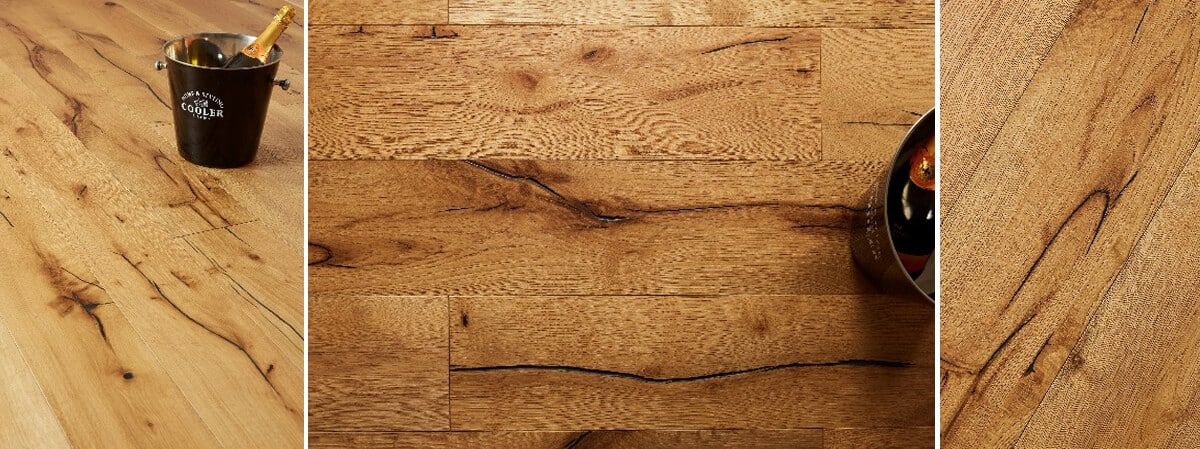

restain wood floors without sanding: 7 Pro Tips
Restain Wood Floors Without Sanding in London Homes
Choosing to restain wood floors without sanding is an efficient and low-disruption method to restore the beauty of hardwood floors. London homeowners, especially those in apartments, heritage buildings, and family houses, can achieve remarkable transformation without the dust, noise, or expense of full resanding. Nationwide Hardwood Flooring Company, tel 07940 528 315 and email enquiries@nhfcompany.co.uk, specialises in helping property owners maintain and preserve existing timber floors using proven refinishing methods that meet London’s urban building regulations.
Many of London’s historic homes conceal beautiful hardwood beneath dated varnishes. Learning how to restain wood floors without sanding helps unlock this natural charm with minimal renovation stress. Our flooring blog offers advice on when no-sanding refinishing methods are appropriate, recommended finishing products, and how professional contractors ensure consistency across the entire surface.
Why London Homes Benefit from Restaining Without Sanding
In densely populated areas like Soho or Kensington, noise and dust control are critical. Opting to restain wood floors without sanding avoids disruption and suits both engineered timber and Haro engineered flooring. This method minimizes downtime, maintains indoor air quality, and aligns with building guidelines often encountered in apartment blocks and listed properties.
Well-maintained hardwood enhances property value in competitive London markets. Whether a Thames-view flat or a townhouse near Hyde Park, restaining extends floor life while preserving architectural integrity. For more on building regulation requirements, see Historic England’s guidance on renovation.
Practical Advantages for London Properties
- Noise and dust restrictions: Ideal for flats near London Bridge or King’s Cross where disruption must be kept minimal.
- Faster project turnaround: Restain floors before tenancy changes or home sales with significantly reduced downtime.
- Budget efficiency: Save on labour and materials by restoring existing timber, especially engineered flooring.
This technique works well on both solid oak boards and layered products like Loch Sheil multi-ply flooring, provided the finish remains structurally sound.
When to Restain Wood Floors Without Sanding in London
Evaluate each floor’s condition before refinishing. Floors with deep gouges or exposed wood typically require sanding, while lightly worn or dull finishes can be revived through restaining. Check that surfaces are intact and uniformly coated to ensure a smooth result. Guidance from The Royal Horticultural Society on wood maintenance supports a sustainable approach to material care.
Good candidates include surfaces like Blenheim multi-ply flooring, which hold their finish and colour well even after several years of foot traffic.
Checklist Before Starting
- Inspect damage: Cracks, bare patches, or moisture stains indicate the need for sanding or patch repair.
- Adhesion test: Apply a small patch of finish in a hidden area to confirm bonding.
- Type compatibility: Products such as Alnwick herringbone flooring are particularly suitable for light refinishing.
Step-by-Step Guide to Restaining Without Sanding
With the right preparation, homeowners in Clapham or Canary Wharf can tackle restoration safely and effectively. Focus on careful cleaning, safe abrasion, and compatible finish selection, especially in heritage properties.
Step 1 – Prepare the Room
- Remove all furniture and rugs to allow an even application.
- Protect walls and fixtures using plastic sheeting or painter’s tape.
- Ventilate the space well, following Health and Safety Executive ventilation guidelines.
Step 2 – Deep Clean the Surface
- Vacuum thoroughly to remove debris.
- Use a pH-neutral, wood-safe cleaner to prevent residue build-up.
- Allow complete drying before you proceed.
Step 3 – Lightly Abrade or Degloss
Use fine mesh pads or a chemical deglosser to promote adhesion. Follow the wood grain and avoid removing too much material. Always test products beforehand as per Which? best practice cleaning guide.
Step 4 – Choose the Right Stain and Sealant
Select coatings formulated for hardwood. Tinted polyurethanes, coloured oils, and bonding primers give reliable results on surfaces like Loch Tummel multi-ply flooring.
- Tinted finishes for enhanced depth and grain definition.
- Coloured oils to restore natural tone and glow.
- Low-VOC primers for eco-conscious London homes.
Step 5 – Apply the Finish
Apply thin, even coats along the grain. Maintain steady ventilation and respect drying times recommended by the manufacturer. Multiple layers build a protective sheen without sacrificing colour balance.
Choosing Colours and Maintaining Style
London’s interiors vary from ornate Victorian to clean-lined modern. Reflecting natural light and architectural tone enhances visual harmony. Darker finishes complement period décor, while pale tones expand small urban rooms. For examples of coordinated design, see House Beautiful’s guide to hardwood floor colours.
- Warm oak: timeless for classic builds.
- Soft grey: pairs with modern minimalism.
- Walnut-rich hues: sophisticated and durable.
Maintenance After Restaining
Regular care ensures long-lasting results. Keep entrance mats in place, dust-mop daily, and choose only pH-balanced cleaning products. Avoid abrasive tools or harsh solvents. For extended guidance, refer to National Wood Flooring Association’s cleaning recommendations.
- Use mats and runners to protect high-traffic zones.
- Vacuum weekly to collect dust before it scratches surfaces.
- Use pH-neutral cleaners to maintain finish integrity.
When to Call Professionals
For large projects or uneven finishes, professional expertise ensures even coating and long-lasting durability. Contact Nationwide Hardwood Flooring Company for inspections, restoration, or stain-matching assistance across the Greater London area.
Professional Benefits
- Expert evaluation of floor condition.
- Access to specialised low-dust refinishing equipment.
- Reliable scheduling and guaranteed results.
Common Mistakes to Avoid
London’s microclimate can affect drying and adhesion. Key errors include inadequate cleaning, skipping abrasion, and rushing between coats. Always follow product instructions and environmental conditions recommended by UK Climate Projections guidelines for best results.
Partner with Nationwide Hardwood Flooring Company
Nationwide Hardwood Flooring Company supports London homeowners with tailored refinishing that preserves floor character without disruptive sanding. Their expert team serves residential and commercial spaces across the city, helping clients extend the life and beauty of hardwood floors efficiently.