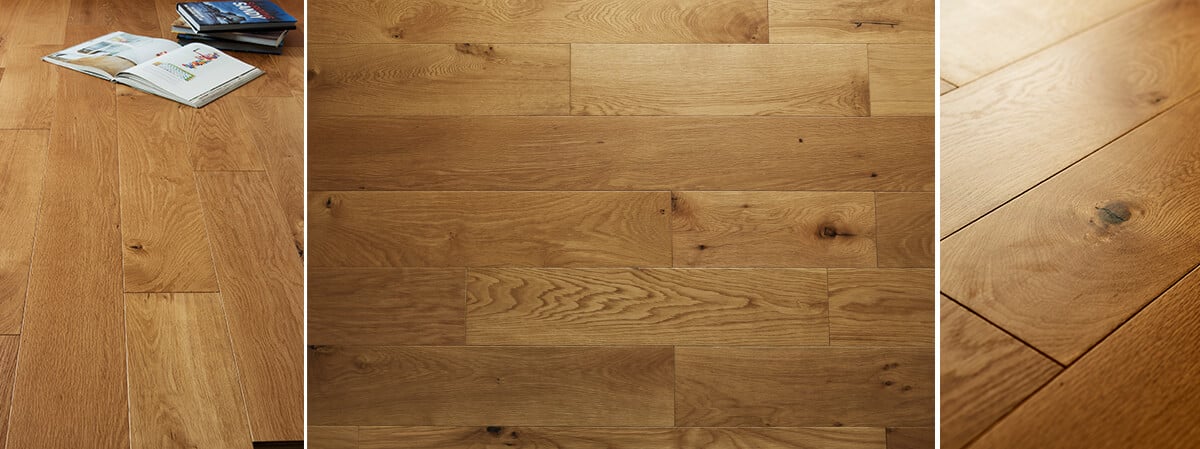

Resurface Hardwood Floors Fast: No Sanding Needed
How to Resurface Hardwood Floors Without Sanding
If your hardwood floors are looking worn and tired, you might feel it’s time for a refresh. While sanding and refinishing are common approaches, they aren’t the only solutions. Our guide explains how to resurface hardwood floors without sanding, introducing you to quick and effective methods that can revitalize your flooring without the mess and hassle of traditional sanding.
Why Opt for Sanding-Free Resurfacing?
Sanding is a time-consuming process that can produce a lot of dust and noise. For many homeowners, it’s not just the disruption but also the cost that makes them seek alternatives. By choosing sanding-free methods, you preserve your floors’ integrity and achieve a refreshed look with less labor. Furthermore, if you live in a vibrant area like London, known for its historic charm and busy lifestyle, time-saving solutions can be particularly appealing.
Benefits of Resurfacing Without Sanding
- Cost-Effective: Avoid the high costs associated with professional sanding services.
- Less Disruptive: No need to move out while your floors are being sanded.
- Environmentally Friendly: Less dust and minimal waste make it a greener option.
- Preservation of Floor Thickness: Ideal for older floors that have been sanded multiple times before.
Steps to Resurface Hardwood Floors Without Sanding
Successfully resurfacing hardwood floors without sanding begins with understanding the precise needs of your floor and the conditions of your living environment. For instance, if you’re located in bustling areas like Covent Garden or South Bank in London, you might prefer a quicker, less intrusive method.
Step 1: Clean and Prepare the Floor
Begin by thoroughly cleaning your floors. Remove all furniture and ensure the surface is free of dust, debris, and any wax residues that can interfere with adhesion. Use a hard surface vacuum or electrostatic mop for the best results. For detailed cleaning advice, visit Better Homes & Gardens.
Step 2: Choose a Chemical Etcher or Liquid Abrasion Kit
Instead of sanding, use a liquid abrasion kit or a chemical etcher designed to dull the finish of your floors without removing any material. These products help new finishes adhere better, providing durability akin to traditional methods. For more information on these products, check out This Old House.
Step 3: Apply the New Finish
Once the floor is prepped, apply a new polyurethane or water-based finish according to the product’s instructions. Opt for eco-friendly options if sustainability is a priority, particularly in urban environments trying to reduce their carbon footprints.
Local Expertise: Nationwide Hardwood Flooring Company
For those residing in the greater London area, having trusted local experts like the Nationwide Hardwood Flooring Company on hand can be invaluable. With years of experience in innovative flooring solutions demonstrated through various projects, they offer tailored advice and services to meet your flooring needs efficiently. Always feel free to reach out at tel: 07940 528 315 for personalized assistance.
Maintaining Your Resurfaced Floors
After completing the resurfacing process, maintaining your floors is crucial. Use appropriate cleaning solutions designed for polyurethane finishes, and employ area rugs or mats to protect high-traffic areas. Regular maintenance will ensure your floors remain stunning and inviting, reflecting London’s blend of history and modern living. For more insights, check out our blog for tips on wooden floor care.
Conclusion
Resurfacing your hardwood floors without sanding offers a sensible and efficient alternative for homeowners seeking to restore the natural beauty of their floors. With the right products and techniques, you can achieve a lasting finish that enhances your space’s aesthetic while preserving the integrity of your flooring. For expert guidance, don’t hesitate to contact Nationwide Hardwood Flooring Company, your trusted partner in all things flooring.