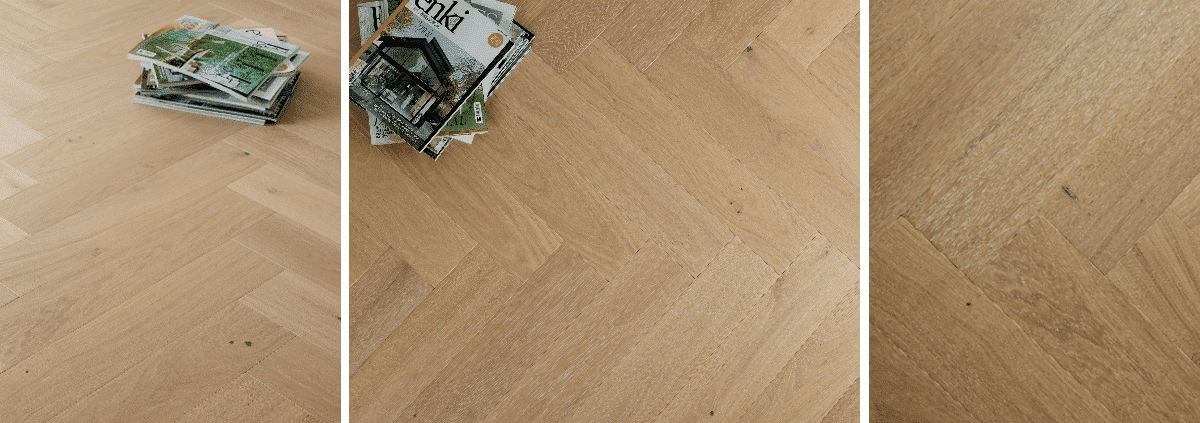

engineered oak flooring - Top 10 Options and Cost Guide
engineered oak flooring: A Comprehensive Guide for Home and Business Spaces
Nationwide Hardwood Flooring Company, tel 07940 528 315 email: enquiries@nhfcompany.co.uk, brings you a detailed guide to engineered oak flooring. This article covers why engineered oak is a versatile choice, how it compares to solid wood, installation considerations, maintenance tips, cost estimates, and local insights for our service area. Whether you are renovating a bedroom, living room, hallway, or a commercial space, engineered oak flooring offers a durable, attractive solution with faster installation and minimal disruption. For ongoing inspiration and updates, visit our blog.
Why choose engineered oak flooring?
Engineered oak flooring combines the beauty of oak with the stability and resilience of layered construction. Typically, a premium hardwood veneer of oak sits on top of plywood or high-density fiberboard cores, with multiple layers designed to reduce expansion and contraction. This construction makes engineered oak ideal for environments with fluctuating humidity or radiant floor heating. It also provides greater stability than traditional solid oak planks, helping prevent warping in imperfect subfloors. Explore our The Primes engineered flooring to see a representative example of premium veneer layering.
Key benefits of engineered oak flooring
- Stability and durability: The multi-layered core resists cupping and warping, even in spaces with variable humidity. For related product options, view Balmoral engineered flooring.
- Versatility: Suitable for installation over concrete, plywood subfloors, and some underfloor heating systems. See Haro engineered flooring for another versatile choice.
- Aesthetic appeal: Real oak veneer delivers authentic grain patterns, color variations, and a premium look. Compare finishes with Loch Sheil multi-ply.
- Installation efficiency: Click-lock and glue-down options enable quicker installs with less downtime. For pattern inspirations, check Herringbone APSLEY and other patterns.
- Cost efficiency: Higher stability reduces waste and repair costs over time compared to solid oak in some installations. Compare quotes via our blog posts on pricing.
Engineered oak flooring vs solid oak flooring
When deciding between engineered oak flooring and solid oak flooring, homeowners should weigh stability, installation conditions, and budget. Engineered oak tends to be more dimensionally stable, particularly on concrete slabs or ground floors where moisture and temperature swings are common. Solid oak offers authentic traditional warmth and can be refinished more times, but it is more susceptible to moisture-related issues and may require more careful acclimatization and subfloor preparation. In spaces with underfloor heating, engineered oak is usually the preferred choice due to its layered construction and heat compatibility. If you’re exploring alternatives, our Blenheim multi-ply line provides another engineered option with a different grain profile.
Popular finishes and styles in engineered oak flooring
Engineered oak flooring comes in numerous finishes, textures, and formats. Here are some popular options that align with current design trends:
- Light and natural: Subtle knots and pale tones to brighten rooms. For a lighter tone, consider Loch Tummel.
- Rustic and brushed: Textured surfaces with pronounced grain for character and depth. See Barn multi-ply for a rustic option.
- Matte and satin: Low-sheen finishes that hide fingerprints and wear patterns. Our Herringbone Chalfield collection showcases refined finishes.
- Chevron and herringbone: Classic patterns that elevate interior design with a touch of craftsmanship. See Chatsworth Herringbone for a premium pattern.
- Wide plank: Contemporary look with a bold grain flow and fewer joints. Explore Loch Rannoch for a wide-plank aesthetic.
Patterns and installations: Chevron and herringbone options
Engineered oak flooring is available in several decorative patterns, including chevron and herringbone. These patterns add architectural interest and can visually expand small spaces. Chevron features diagonal V-shaped cuts that create a continuous zigzag pattern, while herringbone uses offset planks to produce a broken zigzag effect. Both patterns require precise cutting and professional installation to achieve clean joints and alignment. We offer expert floor installers who specialize in these premium patterns, ensuring seamless transitions between rooms and consistent grain matching across boards. To see exemplars, browse our blog for installation case studies and customer stories.
Cost considerations for engineered oak flooring
Costs for engineered oak flooring depend on several factors, including plank thickness, veneer thickness, wear layer durability, finish type, installation method, and site conditions. Typical price ranges may include:
- Material cost per square meter, depending on veneer depth and finish
- Underlayment and preparation charges for subfloor flatness and moisture barriers
- Installation method: click-lock vs glue-down
- Pattern costs for chevron or herringbone layouts
- Waste allowance and expansion gaps for room shapes and transitions
At Nationwide Hardwood Flooring Company, we provide transparent quotes that outline material costs, labor, and any additional charges. We work with suppliers to offer competitive pricing on engineered oak flooring while maintaining high quality. For a precise estimate, contact our team at 07940 528 315 or enquiries@nhfcompany.co.uk.
Choosing the right engineered oak flooring for your space
To select the perfect engineered oak flooring, consider the following decision criteria:
- Room usage: Living areas and bedrooms benefit from durable wear layers and comfortable finishes. High-traffic areas may require thicker wear layers. See our Buckingham solid option for contrast.
- Subfloor type: Concrete, plywood, or existing wooden subfloors influence installation method and moisture considerations. For concrete-ready options, explore Loch Achray.
- Moisture management: Humidity-prone spaces or basements require proper moisture barriers and acclimation periods. Our team can advise on appropriate products, such as moisture barriers from trusted suppliers listed on our site.
- Underfloor heating: Confirm compatibility with your heating system and follow manufacturer guidelines. See compatible options like Haro Engineered.
- Aesthetic goals: Choose color, grain, and finish that complement your interior design goals. The blog features design ideas and case studies.
Maintenance and longevity for engineered oak flooring
Engineered oak flooring is relatively low maintenance when cared for properly. Follow these practices to maximize longevity:
- Use protective felt pads on furniture legs to prevent dents and scratches.
- Maintain a consistent indoor humidity level to minimize expansion and contraction.
- Clean with a damp mop and a manufacturer-approved wood floor cleaner. Avoid excessive water and harsh detergents.
- Install area rugs in high-traffic zones and entryways to reduce wear.
- Refinishing: Engineered oak typically has a wear layer that can be refinished once or twice, depending on veneer thickness. Check with your installer for refinishing options.
Should you require refinishing or more extensive rejuvenation, our team at Nationwide Hardwood Flooring Company can advise on the best approach for your specific product and warranty conditions.
Locational context: Serving the local area
Our services extend to the local area, where we understand regional needs and preferences. In the local context, a well-informed choice can be influenced by climate, urban development, and the availability of skilled floor installers. We highlight nearby hotspots and practical considerations to help you plan effectively. For instance, historic homes and modern flats in the area may benefit from engineered oak flooring due to its stability and quick installation. Our team can guide you to compatible subfloors and suitable finishes, ensuring a professional result with minimal disruption. For authoritative guidance on floor installation standards, see the National Association of Flooring Contractors at NAFC.
How to work with Nationwide Hardwood Flooring Company
Choosing the right contractor is essential to a successful flooring project. Here are steps we recommend when engaging with Nationwide Hardwood Flooring Company:
- Initial consultation: Discuss room dimensions, usage, and design goals. Arrange a site visit if needed.
- Material selection: Review engineered oak options, wear layers, finishes, and patterns such as herringbone or chevron. Consider linking to our Herringbone APSLEY and Chalfield lines for pattern options.
- Quote and timeline: Receive a detailed quote with installation schedule and preparation requirements.
- Preparation: Subfloor assessment, moisture testing, and acclimation planning.
- Installation: Our certified floor installers ensure precise cutting, alignment, and pattern execution.
- Finishing and care: Final finishing touches and aftercare guidance to protect your investment.
Local hotspots and interesting facts to mention in your project notes
When discussing engineered oak flooring with local clients, we often highlight nearby cultural or architectural features that influence design choices. For example, areas with historic homes may benefit from classic oak tones and traditional herringbone layouts, while newer developments may lean toward wider planks and lighter finishes. In our local service region, there are notable historical districts, contemporary shopping centers, and university campuses where durable, attractive flooring is essential for high-traffic areas and aesthetically pleasing interiors. We tailor recommendations to suit the architectural character of each property, ensuring a cohesive look that respects local heritage and modern needs. To see real-world projects, browse our Our Work.
Frequently asked questions about engineered oak flooring
- Can engineered oak flooring be installed in bathrooms?
- Engineered oak is more moisture resistant than solid oak, but bathrooms require careful moisture management and proper sealants. Prefer water-resistant finishes and quality underlayment to protect against moisture intrusion.
- Is engineered oak flooring suitable for underfloor heating?
- Yes, engineered oak is commonly compatible with underfloor heating. Verify veneer thickness and core construction with your installer and follow heating guidelines.
- How long does installation take?
- Installation time depends on room size, pattern complexity, and subfloor condition. Most residential projects can be completed within a few days, with finishing steps following installation.
Conclusion: Elevate spaces with engineered oak flooring
Engineered oak flooring offers a compelling blend of authentic oak aesthetics, stability, and modern performance. It is an excellent choice for homes and commercial spaces alike, especially where subfloor conditions and climate variability demand a resilient, elegant solution. At Nationwide Hardwood Flooring Company, we provide expert guidance, precise installation, and durable finishes that help you achieve a timeless look with long-term value. To discuss engineered oak flooring options or to obtain a tailored quote, contact us at 07940 528 315 or enquiries@nhfcompany.co.uk.
Related services and products
In addition to engineered oak flooring, we offer a wide range of flooring solutions to meet diverse needs. These include:
- Engineered timber floors and engineered hardwood flooring with various wear layers
- Chevron and herringbone patterns for premium aesthetics
- Solid oak flooring and real wood flooring options
- Floor installation services and professional floor fitters
- Discount wood flooring and competitive flooring shop offerings
For ongoing updates, installation tips, and the latest product options, keep in touch with Nationwide Hardwood Flooring Company through our contact channels.