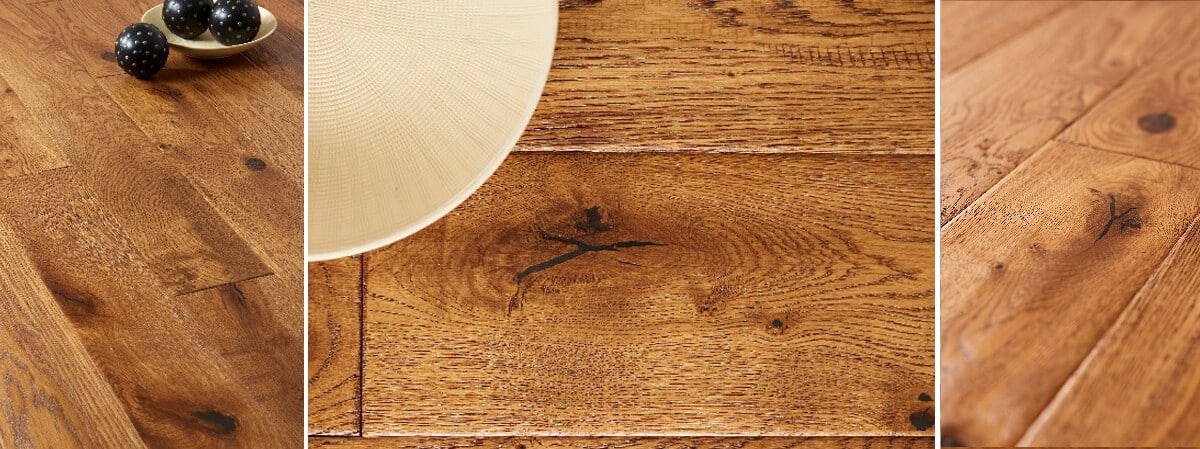

Sanding Original Hardwood Floors: Expert Tips
The Ultimate Guide to Sanding Original Hardwood Floors
Original hardwood floors are a timeless addition to any home, offering elegance and durability. However, over time, these floors can lose their luster due to daily wear and tear. Sanding original hardwood floors can rejuvenate their appearance, adding value to your property in the process. In this comprehensive guide, we will explore the detailed steps and considerations involved in sanding hardwood floors, ensuring you achieve the best results.
Understanding the Importance of Proper Sanding
Sanding original hardwood floors is not just about aesthetics; it is crucial for maintaining the floor’s integrity. Over time, the protective finish wears away, exposing the wood to potential damage from moisture, spills, and scratches. Proper sanding restores the surface, prepares it for a new finish, and enhances its longevity. For more on maintaining wooden floors, you might want to look into hardwood floor care tips from This Old House.
Tools and Materials Required
Before starting the sanding process, gather the necessary tools and materials:
- Floor Sander: A drum sander is ideal for larger areas, while an edge sander tackles corners and smaller spaces.
- Sandpaper: Varying grits, starting from coarse (36-grit) to fine (120-grit) for a smooth finish.
- Vacuum: Essential for removing dust and debris during sanding.
- Hammer and Nail Set: To ensure nails are below the surface to prevent damage to the sander.
- Wood Filler: For filling any gaps or holes in the floor.
Step-by-Step Guide to Sanding
1. Preparing the Area
Begin by removing all furniture and items from the room. Sweep the floor thoroughly to remove debris. Ensure all nails and screws are recessed below the surface using a hammer and nail set to prevent damage to your sanding equipment. For tips on preparing your home for such projects, you may find Family Handyman’s guide to sanding wood floors useful.
2. Initial Sanding
Start your sanding with the coarsest grit sandpaper (36-grit). This step is crucial for removing the old finish and leveling the surface. Work in the direction of the wood grain, and be consistent with your movements to avoid uneven areas. Consider our range of Blenheim multi-ply flooring for a smoother finish if replacing is an option for you.
3. Edge Sanding
Once the main area is sanded, use an edge sander fitted with the same grit sandpaper to sand the edges of the room. Be sure to blend the edges seamlessly with the main floor area for a complete overhaul look at some of our previous projects.
4. Filling Gaps and Imperfections
After the initial sanding, inspect the floor for any gaps or holes. Use wood filler to fill these imperfections and allow it to dry completely before proceeding to finer sanding. This step ensures a uniform surface throughout.
5. Fine Sanding
Proceed with a medium-grit sandpaper (60-80 grit) and repeat the sanding process, followed by a fine-grit (100-120 grit) to achieve a smooth finish. Ensure all surfaces and edges are consistently smooth before moving to the next step. Explore our Loch Tummel multi-ply flooring for exceptional quality flooring options.
Finishing Touches
With sanding completed, cleaning is paramount. Vacuum the entire area thoroughly, followed by wiping the floor with a tack cloth to remove any fine dust particles. This cleanliness ensures the new finish adheres properly. Read more about cleaning and maintenance on our blog.
Choosing the Right Finish
The type of finish selected greatly influences the aesthetic and protection of your hardwood floor. Common options include:
- Oil-Based Finishes: Known for their durability and traditional amber hue.
- Water-Based Finishes: Offers a clear finish with a quicker drying time.
- Wax: Perfect for historic homes, offering a rich, hand-rubbed finish.
Applying the Finish
Apply your chosen finish evenly using a brush or roller, following the grain of the wood. Allow adequate drying time as per the manufacturer’s instructions before applying additional coats. Multiple coats are usually recommended for optimal durability. For detailed advice, consult DIY Network’s flooring guide.
Maintenance Tips for Longevity
To prolong the life of your beautifully restored floors, implement the following maintenance tips:
- Regular sweeping or vacuuming to remove dirt and debris.
- Use mats at entryways to reduce dirt tracking.
- Reapply finish coats as needed to maintain the surface.
Conclusion
Sanding original hardwood floors requires careful planning and execution, but the results are well worth the effort. Not only does it revitalize your floors, but it also enhances the natural beauty of your home. For those in the UK, specifically London, seeking professional assistance, Nationwide Hardwood Flooring Company offers expert consultation to ensure your floors are transformed to their former glory. Whether you’re looking to undertake this project yourself or seeking professional services, the knowledge shared in this guide will keep you informed throughout the process.