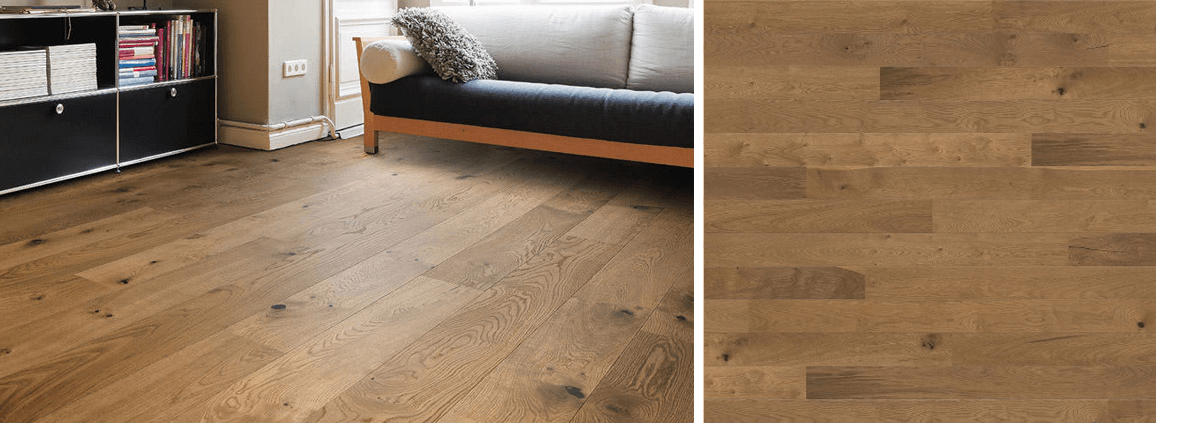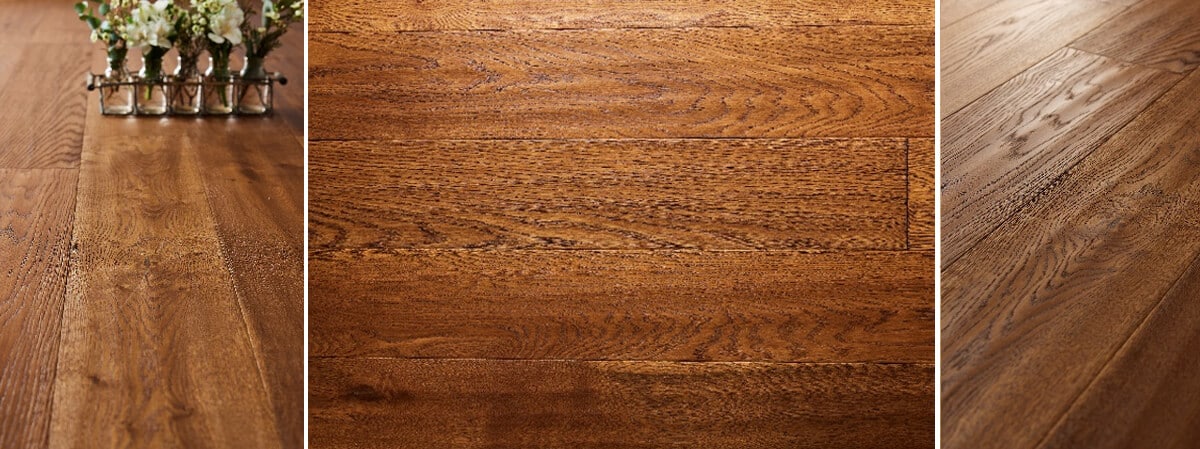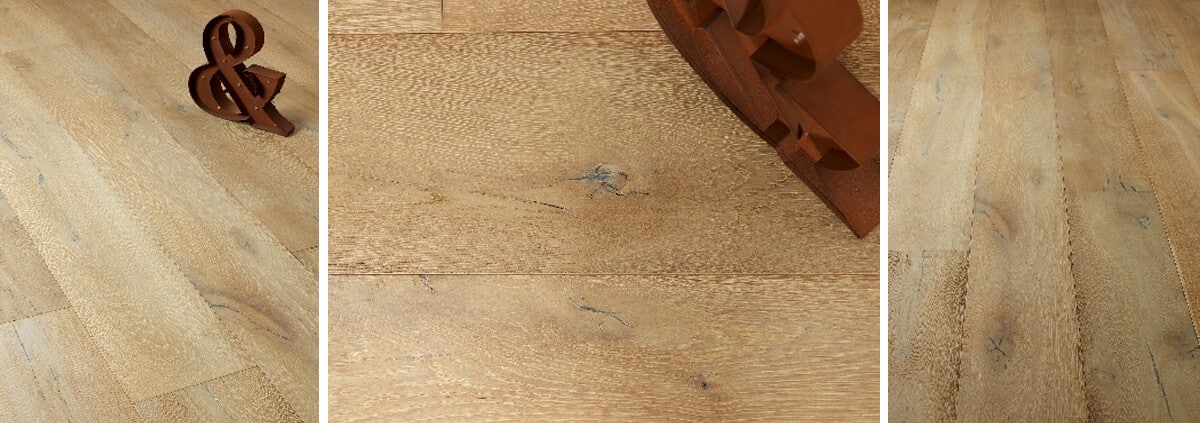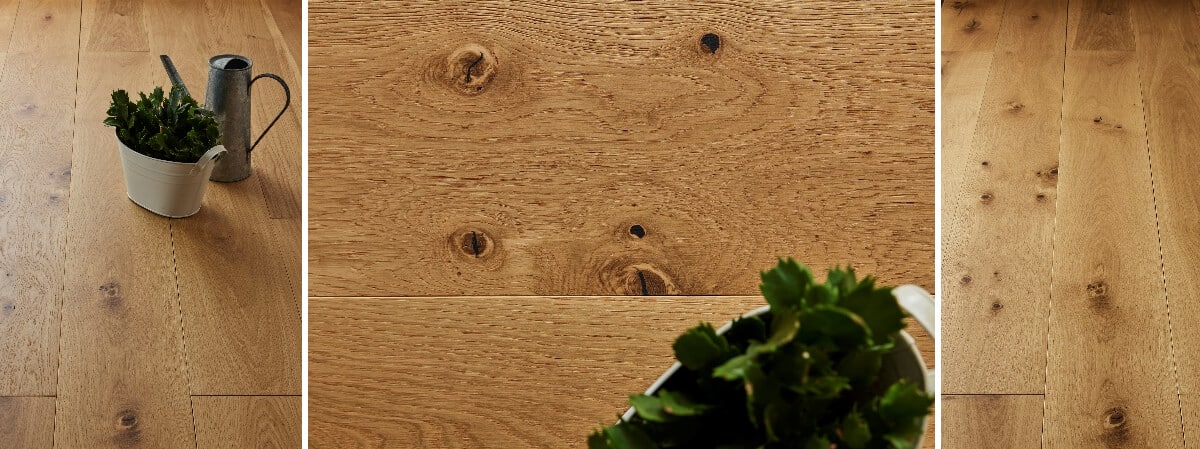

Vintage Wood Floor Restoration Tips for Your Home - 7 Ways
Vintage Wood Floor Restoration Tips for Residential Spaces
Wood floors have a timeless appeal, particularly vintage wooden floors that carry character, charm, and history. Restoring such floors requires knowledge, care, and attention to maintain their beauty and functionality. In this article, we provide essential vintage wood floor restoration tips for residential spaces that can help you bring old flooring back to life.
Understanding Vintage Wood Floors
Vintage wood floors typically refer to hardwood flooring that dates back several decades, often made from materials like oak, maple, and cherry. These floors age gracefully; however, over time they can sustain wear and damage. Restoration involves cleaning, sanding, refinishing, and maintaining the integrity of the wood. For more insights on wood varieties and their characteristics, consider exploring resources from Wood for Good.
1. Assessing the Current Condition of Your Floor
Before you start the restoration process, it’s important to thoroughly assess the condition of your vintage wood floors. Look for:
- Scratches and Dents: Take note of any surface damage that may need attention.
- Water Damage: Check for signs of discoloration or bubbling, which can indicate moisture issues.
- Finish Wear: Determine if the finish has worn off in places, making the wood susceptible to further damage.
2. Thorough Cleaning
Cleaning is a crucial step in the restoration process. Start by sweeping or vacuuming up dirt and debris. Then, use a wood-safe cleaner to remove built-up grime. Avoid excessive moisture, as this can damage the wood:
- Use a damp mop with a mild soap solution to avoid saturation.
- Rinse the mop frequently and change the water often.
3. Sanding Your Vintage Wood Floors
Sanding is essential for removing old finishes and imperfections. You can hire professionals for this, or rent a floor sander if you prefer a DIY approach. Keep these tips in mind:
- Use a drum sander for large areas and an edge sander for corners.
- Start with coarse-grit sandpaper and work your way to fine-grit for a smooth finish.
- Always go with the grain of the wood to prevent scratches and gouges.
4. Repairing Damaged Areas
After sanding, you may need to repair areas that are heavily damaged:
- Fill Gaps: Use wood fillers that match the floor color to fill in gaps or holes.
- Replace Damaged Boards: If some boards are beyond repair, consider replacing them with salvaged wood.
5. Choosing the Right Finish
The finish you choose can greatly affect the look and durability of your vintage wood floors. Some options include:
- Oil-Based Polyurethane: Provides a strong, durable finish but takes longer to dry;
- Water-Based Polyurethane: Dries quickly and has less odor.
- Natural Oil Finishes: Enhance the natural beauty of the wood but require more maintenance over time. For advice on choosing the right finish, you can refer to Bona.
6. Regular Maintenance and Care
After restoration, keeping your vintage wood floors looking fabulous requires regular maintenance:
- Dust and vacuum regularly to prevent scratches from dirt and debris.
- Clean spills immediately to prevent water damage.
- Use rugs in high-traffic areas to protect the floor from wear.
7. Professional Help vs. DIY
While many homeowners can handle basic cleaning and minor repairs, significant restoration often requires expert skills. Consider whether you need professional help:
- Professional restorations can save time and ensure a quality finish.
- For extensive damage or historical floors, always consult an expert. The National Wood Flooring Association can provide additional guidance on finding skilled professionals.
Conclusion
Restoring vintage wood floors can bring beauty and warmth back to your residential spaces. By following these vintage wood floor restoration tips for residential spaces, you can enjoy your timeless flooring for many more years to come.
If you need help with your restoration project, contact the Nationwide Hardwood Flooring Company at 07940 528 315 or email us at enquiries@nhfcompany.co.uk for professional guidance and services.