
Things to Consider When Buying Solid Wood Floors - 7 Tips
Things to Consider When Buying Solid Wood Floors
When it comes to flooring options, solid wood floors stand out as a timeless choice that offers both beauty and durability. However, purchasing solid wood flooring requires careful consideration to ensure that you make the right choice for your home. Whether you’re renovating or constructing a new space in the picturesque areas around Kent or other parts of the UK, there are several key factors to keep in mind.
1. Assess Your Lifestyle
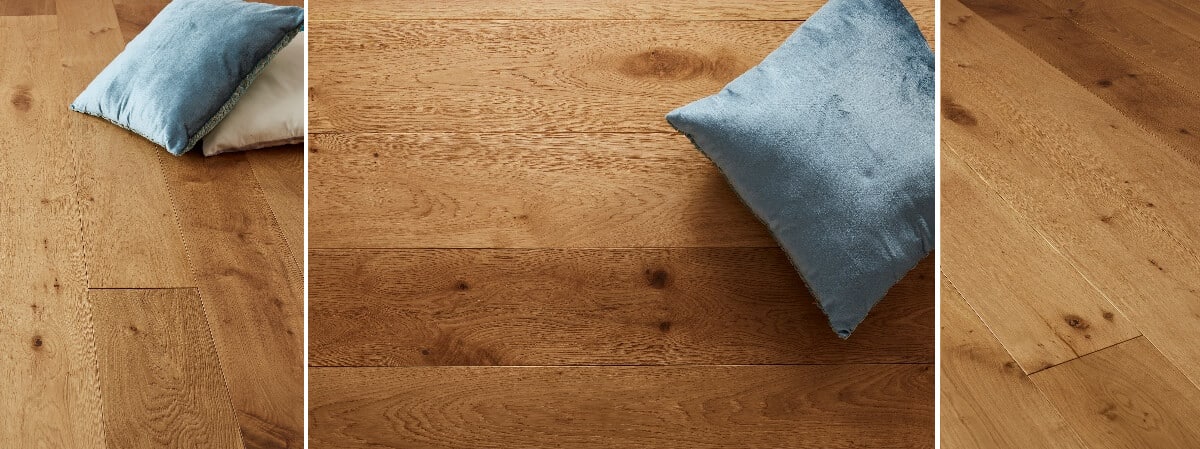
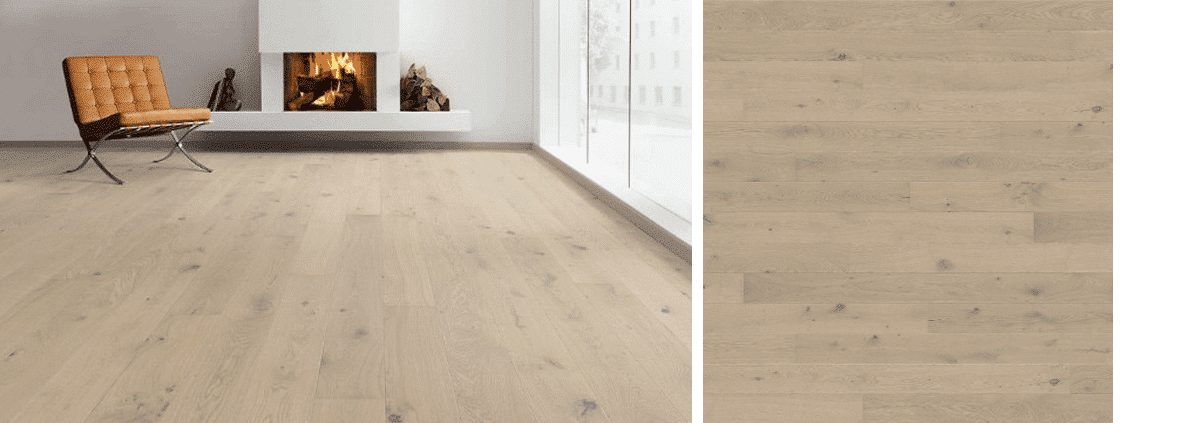
Your lifestyle significantly influences the type of solid wood flooring you should select. If you have pets or children, you may want to consider the durability of the wood species you choose. For example, oak flooring is a popular choice due to its resilience and endurance for everyday wear and tear. You can learn more about different flooring options suitable for your lifestyle at Good Housekeeping.
2. Understand the Different Wood Species
Each type of wood has unique properties, which can affect the look and performance of your floors. The most common solid wood options include:
- Oak: Known for its strength and attractive grain, oak flooring is favored in both modern and traditional interiors.
- Maple: A hard, durable wood that is great for high-traffic areas.
- Cherry: Offers rich color variations and becomes more beautiful with age.
- Walnut: Provides a deep, luxurious look with its dark hue; you can discover more about walnut and its characteristics at Wood for Good.
3. Consider the Grade of Wood
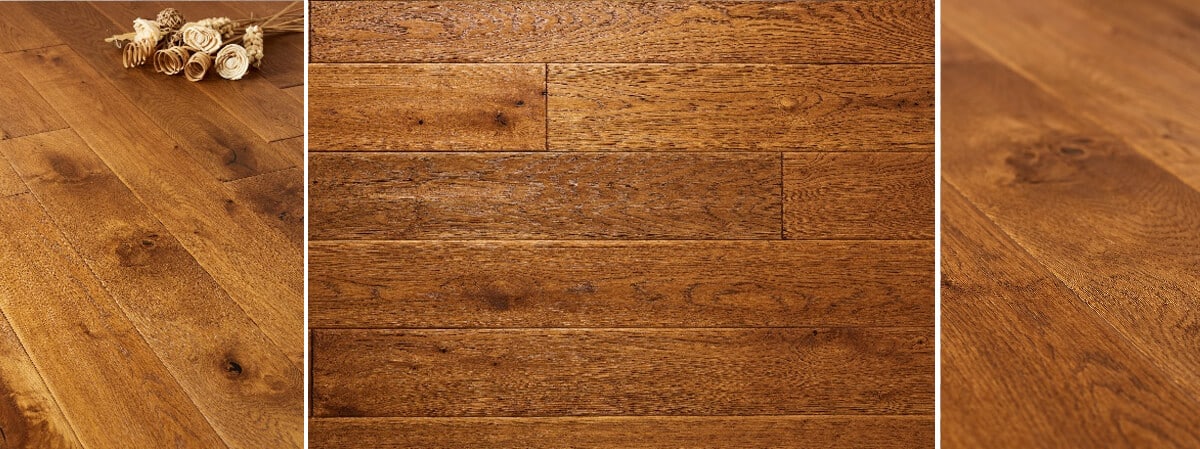
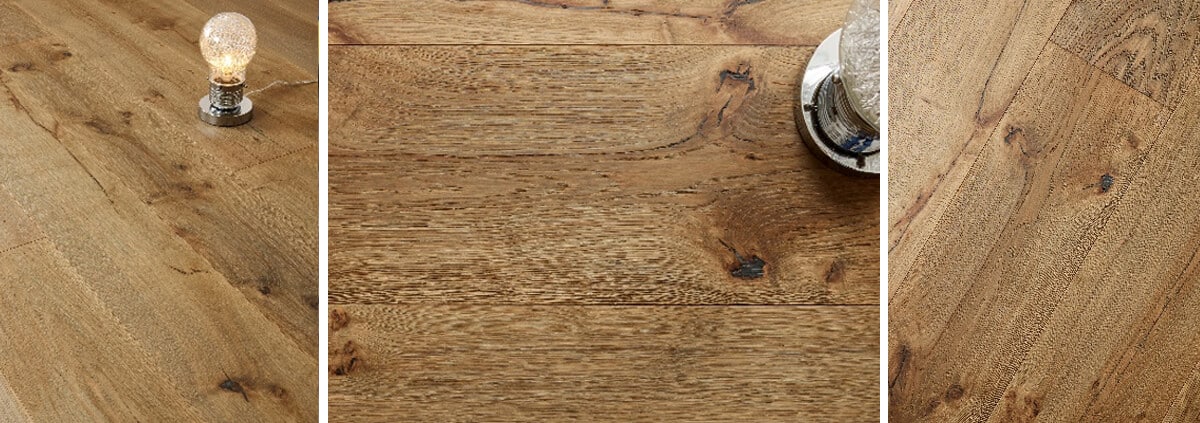
The grading of wood affects its appearance, quality, and price. Higher-grade woods, which come from the center of the log, will have fewer knots and blemishes but will also cost more. Lower grades may offer a more rustic and unique aesthetic. Understanding these grades will help you make an informed decision based on your budget and desired look.
4. Installation Methods
The installation method of solid wood floors can impact both the cost and the longevity of your flooring. The most common methods include:
- Nail-Down: Ideal for solid wood, this method is typically used when installing floors over a wooden subfloor.
- Glue-Down: Suitable for engineered hardwood floors and sometimes for solid wood in commercial spaces.
- Floating: Used primarily for engineered wood but can be applied to solid wood if specifications allow.
Consult your flooring contractor to determine the best method for your installation. For more insights on properly installing different flooring types, explore resources from the Contract Flooring Association.
5. Climate Considerations
Wood is a natural material that reacts to changes in humidity and temperature. If you live in a particularly humid area or one that experiences significant seasonal changes, this can affect your flooring choice. Engineered wood may be more suitable in these conditions, but solid wood can also perform well if properly acclimated before installation. For more options on how to blend aesthetics with practicality, check out our multi-ply flooring section. For further guidelines on wood adaptability in various climates, refer to the National Wood Flooring Association.
6. Continuity with Other Rooms
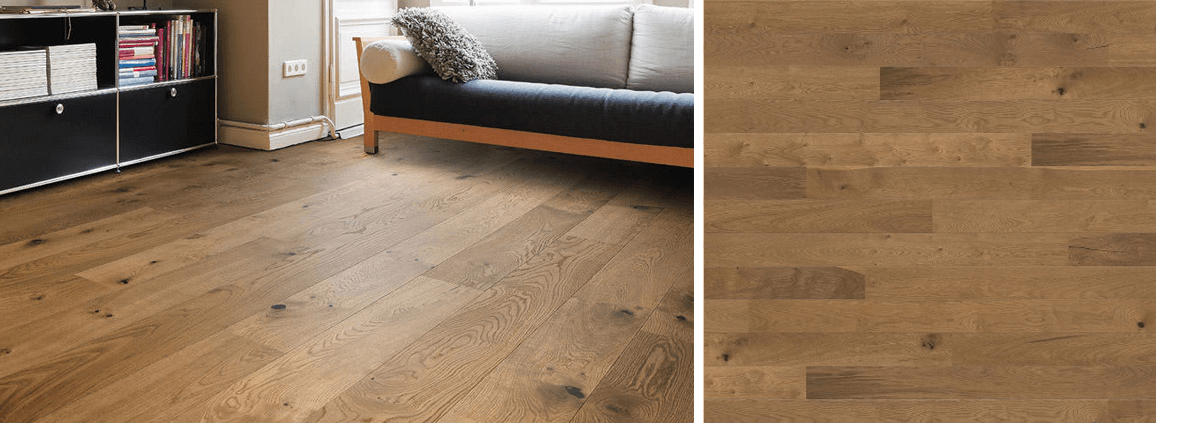
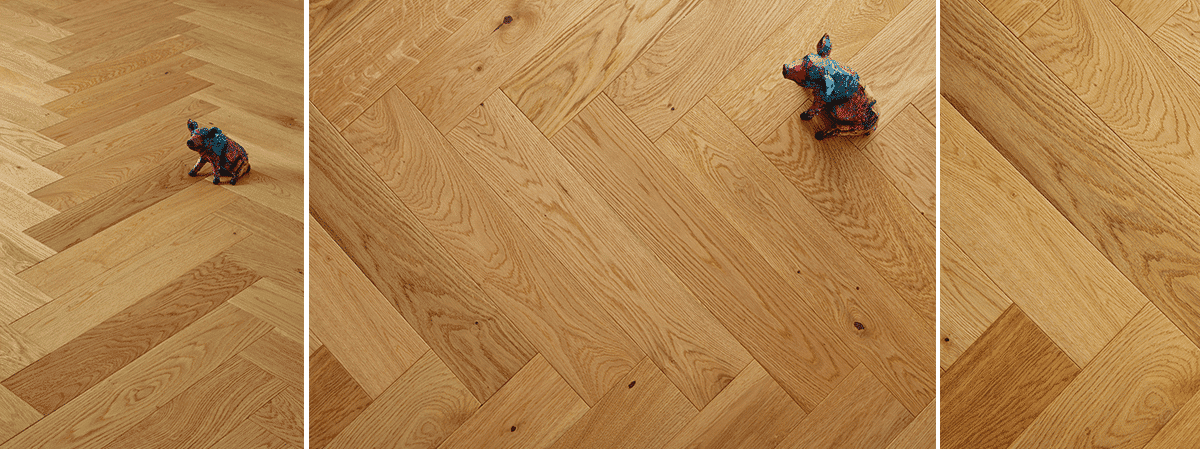
When selecting solid wood flooring, consider the flow of your home. Having consistent flooring throughout different rooms creates a seamless connection and enhances the overall aesthetic. If you’re installing wood flooring in your Kent home, you might want to extend that style to adjoining rooms for an inviting look. Explore our range of herringbone flooring for a stylish option, and see how others have successfully integrated flooring solutions at Interior Design.
7. Maintenance and Care
Understanding the maintenance requirements of solid wood flooring is crucial in extending its life and beauty. Regular cleaning and refinishing when necessary will keep your floors looking their best. Be sure to ask your flooring suppliers about care recommendations to protect your investment. Our floor restoration services can help maintain and enhance your investment over time. For comprehensive care tips, visit Flooring Magazine.
Conclusion
In conclusion, choosing solid wood floors involves significant thought regarding lifestyle, wood species, grading, installation methods, climate, continuity, and maintenance. By considering these aspects, you can ensure a choice that will not only complement your home but also stand the test of time. For expert help in selecting and installing solid wood floors, reach out to the Nationwide Hardwood Flooring Company at 07940 528 315 today.