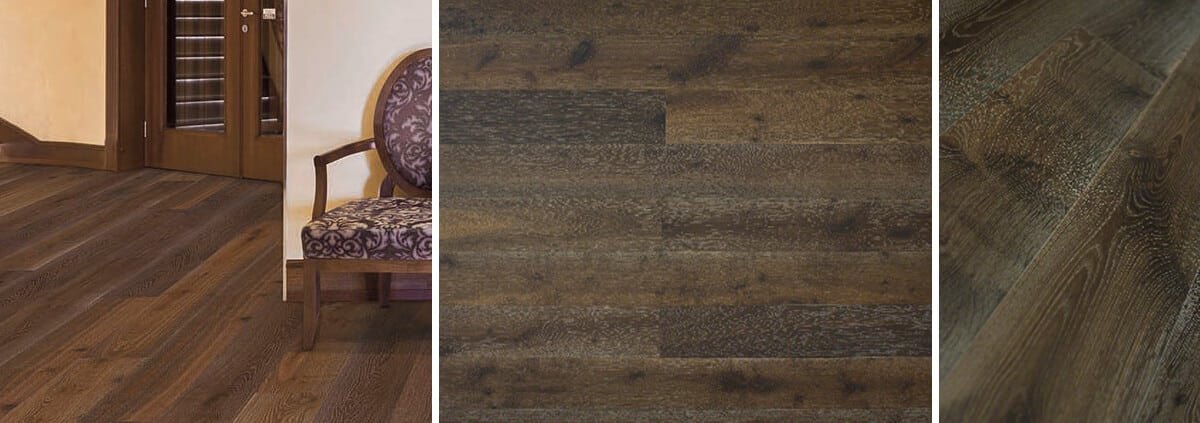

Best Practices for Refinishing Wooden Floors: 7 Tips
Best Practices for Refinishing Wooden Floors in Kent
If you have wooden floors in your home or business, refinishing them can breathe new life into your space. This process not only enhances the beauty of the wood but also extends the lifespan of your flooring. In Kent, wooden flooring is a popular choice due to its aesthetic appeal and durability. Here, we will explore the best practices for refinishing wooden floors in Kent to ensure you achieve the best results.
What is Wooden Floor Refinishing?
Wooden floor refinishing involves sanding down the surface of the floor to remove scratches and imperfections, followed by applying a protective finish. This process can be a DIY project but is often best left to professionals due to the equipment and expertise required. For comprehensive guidance, you can refer to DIY Resources.
Why Refinish Your Wooden Floors in Kent?
- Restore Appearance: Over time, wooden floors can become dull and scratched. Refinishing restores their natural beauty.
- Protect Your Investment: A properly finished floor will last longer and resist damage.
- Increase Home Value: Well-maintained floors can significantly boost the value of your property.
Choosing the Right Time for Refinishing
The timing of your refinishing project is vital. Typically, spring and summer are the best times for refinishing, as humidity levels are lower and the floors can dry more quickly.
Best Practices for Refinishing Wooden Floors in Kent
1. Assess the Condition of Your Floors
Before starting, assess the current condition of your floors. Look for signs of wear, such as deep scratches, discoloration, or warping. This evaluation will help you determine the extent of refinishing required. You can learn more about wood species and their properties at Wood for Good.
2. Gather Essential Tools and Materials
To refinish your wooden floors, you’ll need some essential tools and materials:
- Sanding machine
- Sandpaper (various grits)
- Finish (polyurethane, oil, etc.)
- Applicators or brushes
- Dust mask and goggles
- Vacuum cleaner and rags
3. Prepare the Area
Clear the room of furniture, rugs, and any other items that may obstruct the refinishing process. Ensure the floor is clean of dust and debris before starting. Consult guides like Wickes for layout and preparation tips.
4. Sanding the Floor
Sanding is the most critical part of the refinishing process. Start with a coarse grit sandpaper to remove old finishes and imperfections, and gradually move to finer grits for a smooth finish. Make sure to sand in the direction of the grain to avoid scratches.
5. Clean Thoroughly
After sanding, vacuum the area thoroughly to remove dust particles. Use a damp cloth to wipe down the floors to ensure they are completely clean before applying any finish.
6. Apply the Finish
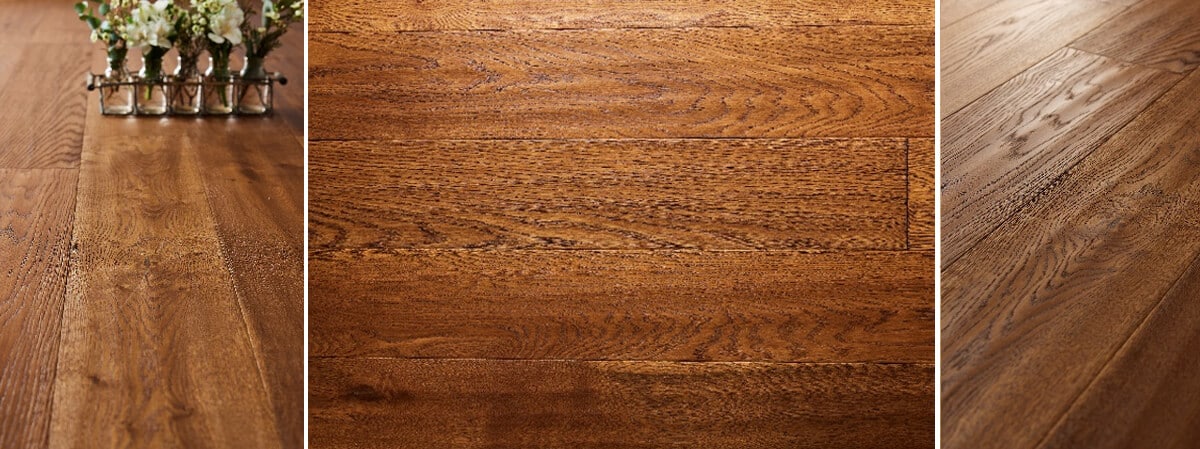
Once the floor is clean and dry, apply your chosen finish. Use an applicator or brush to ensure an even coat. Depending on the product, such as Blenheim Black Walnut Multi-Ply Flooring, you may need to apply multiple layers for maximum durability. The Bona website provides useful insights on finishes and their applications.
7. Allow to Dry and Cure
Follow the manufacturer’s instructions for drying times. Ensure the area remains free of foot traffic during this time to avoid any damage to the new finish.
Hiring Professional Floor Installers in Kent
While DIY refinishing can be rewarding, hiring a professional flooring contractor can save you time and ensure a high-quality finish. Professionals have the tools, experience, and knowledge to tackle any challenges that may arise during the project. Consulting resources like The Flooring Group can provide you with valuable information regarding professional services.
Benefits of Professional Refinishing Services
- Access to professional equipment
- Expertise in identifying and resolving floor issues
- Time-saving – you can avoid the hassle of a DIY project
Common Questions About Refinishing Wooden Floors
How Often Should I Refinish My Wooden Floors?
Typically, wooden floors should be refinished every 5 to 10 years, depending on usage and wear.
Can I Refinish My Floor Myself?
Yes, if you have the right tools and experience. However, for the best results, professional help is recommended.
What is the Cost of Refinishing Wooden Floors in Kent?
The cost varies based on the size of the area and the type of finish used. On average, costs can range from £20 to £40 per square meter.
Conclusion
Refinishing your wooden floors can significantly enhance the beauty and longevity of your investment. By following these best practices for refinishing wooden floors in Kent, you can ensure a successful project. Whether you choose to tackle the task yourself or hire a professional, a well-refinished wooden floor will elevate your space and provide lasting enjoyment.
For expert help with refinishing or installing wooden floors, contact the Nationwide Hardwood Flooring Company at 07940 528 315 or email us at enquiries@nhfcompany.co.uk.